
Oceanography
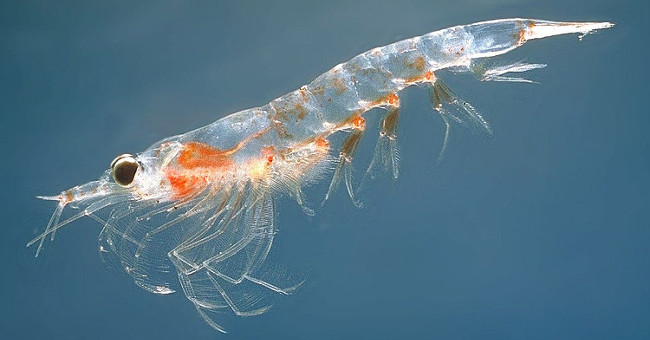
Antarctic shrimp eat 300 million tons every year but still not extinct
As of now, Antarctic shrimp are 'confident' that they won't be eaten.
Browse ScienceInfo articles and explainers related to Krill.
14 published items.
As of now, Antarctic shrimp are 'confident' that they won't be eaten.
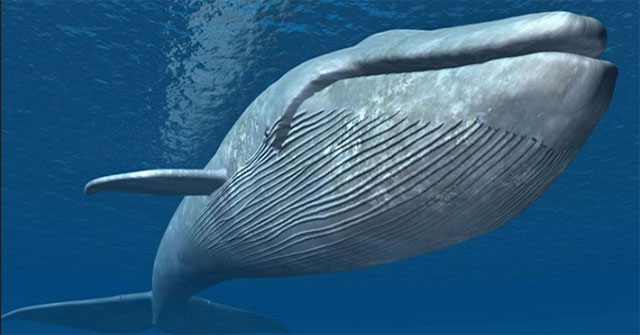
Researchers have discovered a 'stopper' in the throats of some whale species that helps seal off their airways or esophagus when needed, preventing them from drowning.
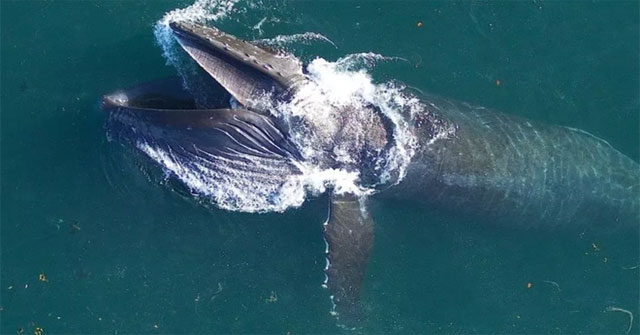
By collecting data directly from the mouths of humpback whales, scientists have measured the incredible amount of food they can consume.
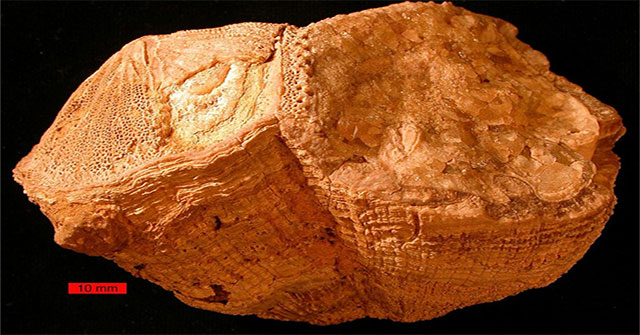
A specimen from the dinosaur era stunned scientists when it showed that one day at the end of the Cretaceous was only 23 and a half hours long, because the earth was spi…
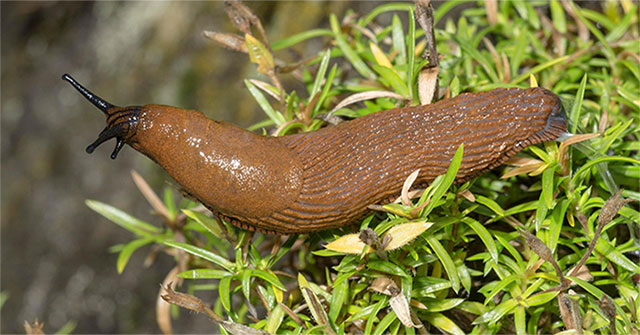
The Hawaii Health Authority (USA) has just issued a warning to visitors about parasites that can be cut and burrowed into the human brain, causing brain inflammation and…
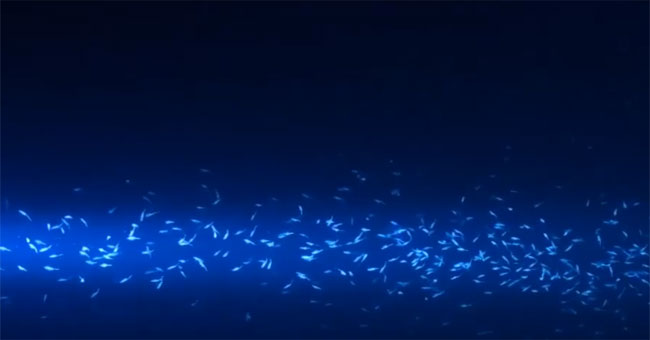
The Stanford University team found that small marine organisms can have a big impact when swimming into billions of cubs.
After catching a metamorphic octopus in the Gulf of Thailand, scientists have the opportunity to carefully observe body movements and characteristics that allow this spe…
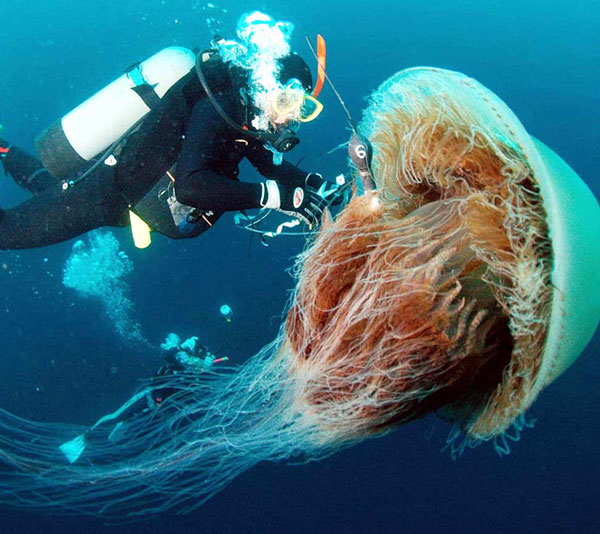
The seemingly harmless krill that is drifting indefinitely in the oceans has become one of the most mysterious topics in modern times.
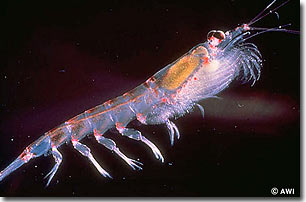
Scientists have recently discovered Antarctic krill (Euphausia superba) living and foraging at a depth of 3,000 meters in the waters of the Antarctic Peninsula. So far,…
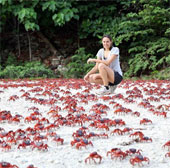
Red crabs, antelopes and herring are species with a large number of individuals concentrated in herds of up to tens of millions of animals.
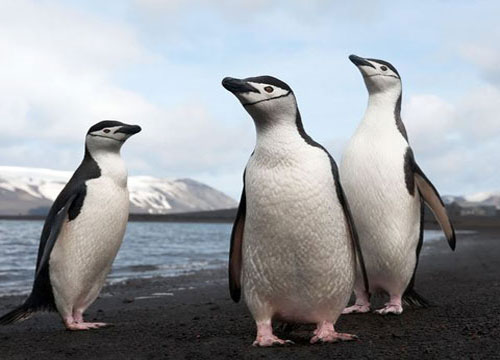
The loss of half of the penguins in the past three decades shows the crisis in the Antarctic marine life, including phytoplankton, mollusks, penguins and whales.
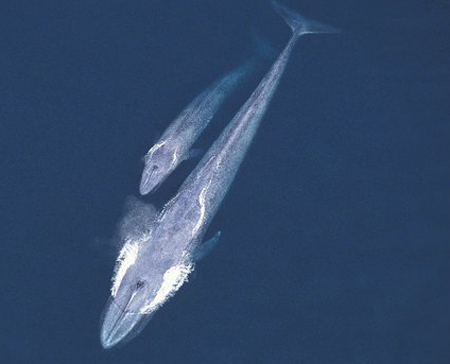
Mark Carwardine, a BBC natural photographer, has been wandering the oceans for months searching for giant blue whales ...
The Cuttlefish is a set of molluscs of Cephalopoda class.
A group of American scientists are trying to understand the growth conditions of krill mollusks, a potential source of nutrition for humans in large numbers in Antarctic…