
AI - Artificial intelligence
What Is Whole-Body Control for Humanoid Robots?
Whole-body control for humanoid robots coordinates the legs, torso, arms and hands as one physical system so the robot can move, balance and interact without treating ea…
Browse ScienceInfo articles and explainers related to Legs.
443 published items.
Whole-body control for humanoid robots coordinates the legs, torso, arms and hands as one physical system so the robot can move, balance and interact without treating ea…

With its extremely steep slope, even the bravest person would feel their legs tremble when traversing what is considered the most dangerous section of the Great Wall.
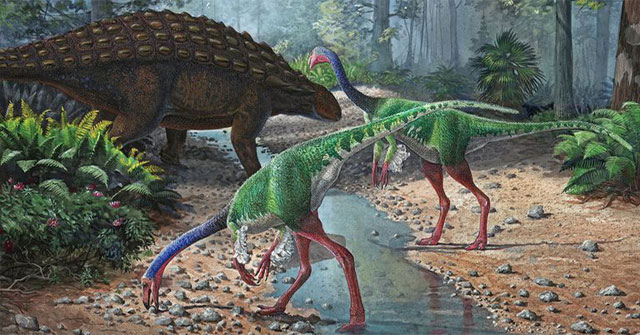
Dinosaurs are among the most famous ancient creatures on Earth, with countless fascinating mysteries that are still being uncovered today.

As a period often recreated in many famous movies, was the life of the people during the Qing Dynasty really similar to the movies?
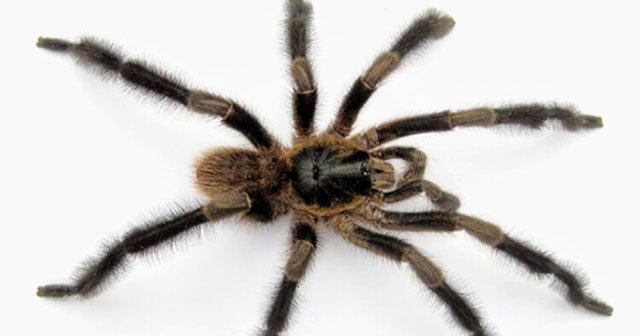
A team of researchers from Masaryk University (Czech Republic) and the Cuban Zoological Society have discovered a new species of spider belonging to the genus Trichopelm…

These stairs are not for the acrophobic.

The Arkup 50 floating house features height-adjustable legs that help it rise above the waves, along with many other amenities.
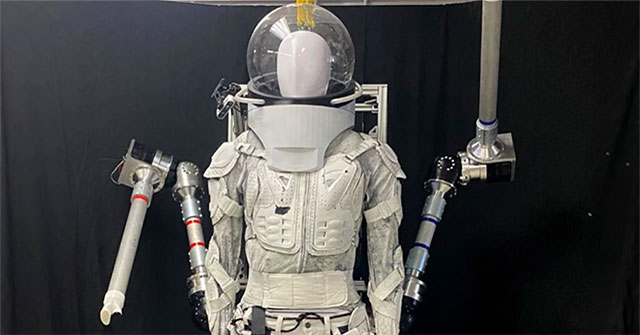
Scientists at the Massachusetts Institute of Technology (MIT) have invented 'SuperLimbs' that can help astronauts stand up when they fall.
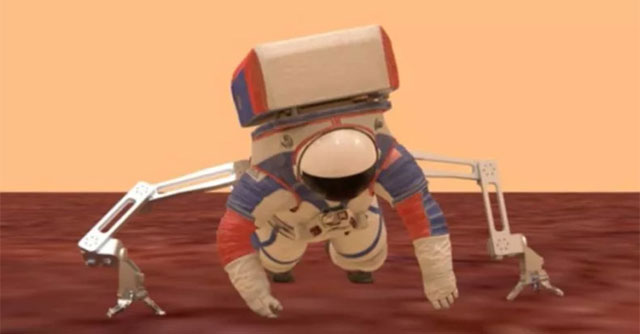
When astronauts fall, the SuperLimbs system of backpacks and robotic legs will help them quickly get up despite their bulky spacesuits.

The sea monsters of the Devonian period are evidence of the evolutionary leap that enabled us to walk on continents today.
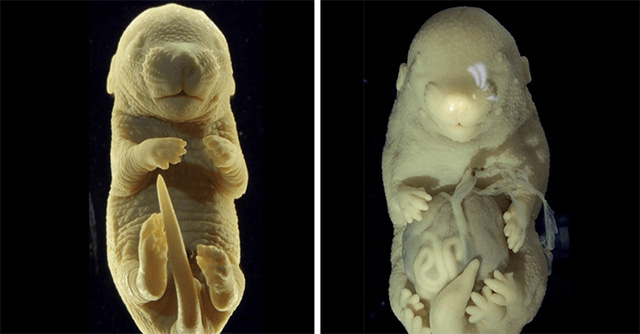
Scientists created a 6-legged mouse embryo, with an extra pair of hind legs instead of external genitalia.
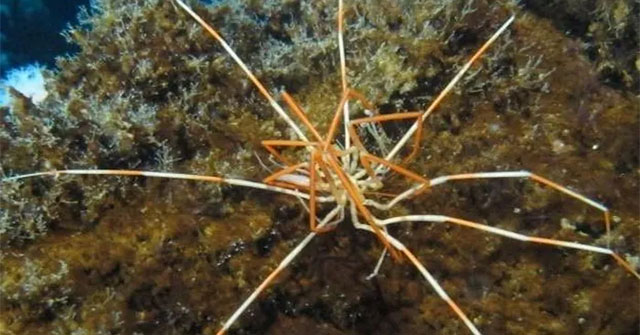
Giant Antarctic sea spiders have different biological characteristics from regular sea spiders, and their way of giving birth and incubating eggs is also very different.

The African jacana bird really exists on our planet, and the legs they see are real (not fake).

A group of Hong Kong students built a 14.1 cm tall humanoid robot that can walk on two legs and move its arms, shoulders, hips, and knees.
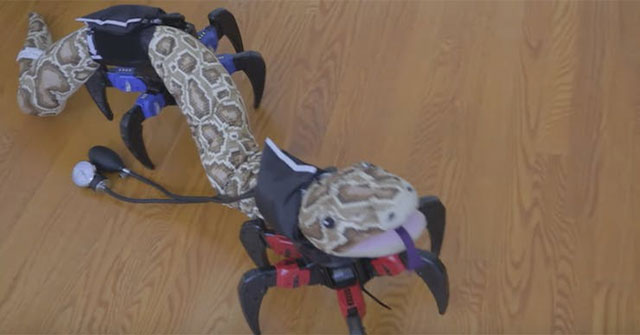
Allen Pan tried to reverse evolutionary history by helping snakes 'grow' four more legs to move.