Environment
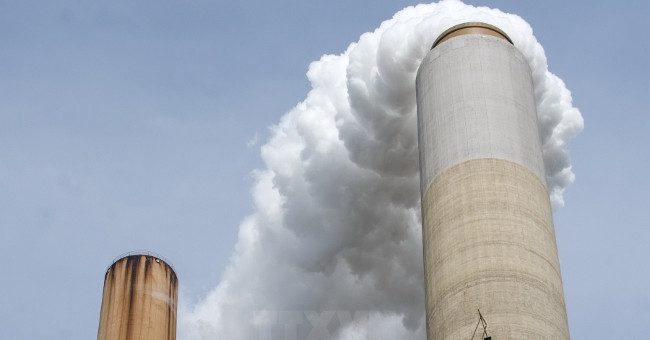
Norway spends nearly 4 million USD researching sea CO2 storage
Norway on January 4 announced it will conduct a feasibility study on the idea of storing carbon dioxide (CO2) at three different locations outside the Norwegian contin…
Browse ScienceInfo articles and explainers related to Marine.
985 published items.
Norway on January 4 announced it will conduct a feasibility study on the idea of storing carbon dioxide (CO2) at three different locations outside the Norwegian contin…

Plastic waste not only causes environmental damage, it also has a great impact on the economy and human health.
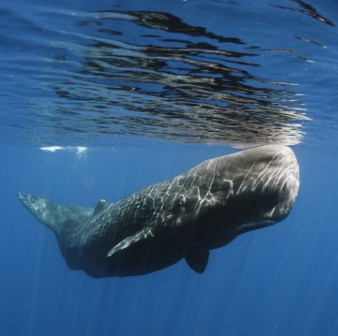
The seemingly harmless sound emitted from ships can indirectly cause whale and other marine animals deaths.
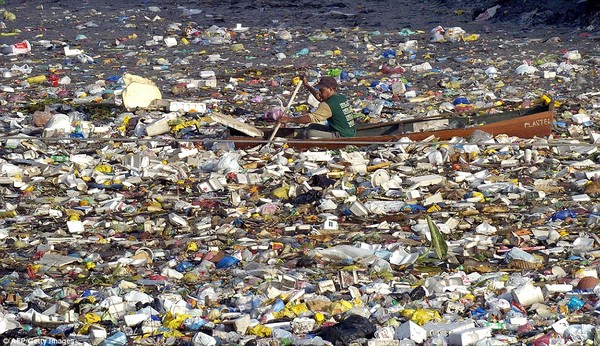
Good, Vietnam is one of the countries with the largest amount of ocean waste in the region.

The beaches in Shandong Province, China in the Yellow Sea are turning green due to the rapid growth of seaweed.
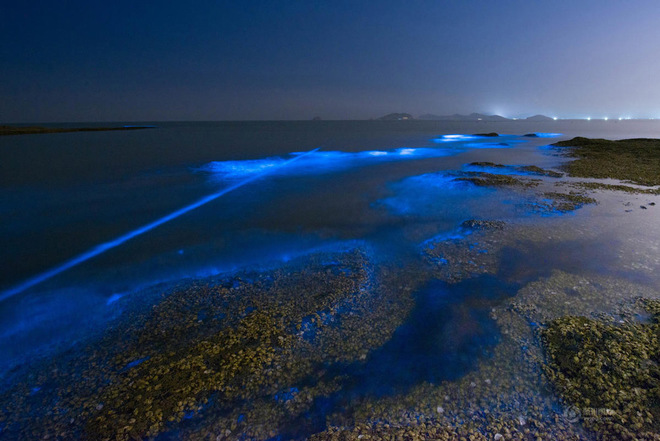
The coast of Dalian City, China on 9 May emitted strange blue light, sparkling like a river.
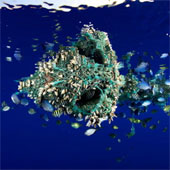
A recent study found that nearly 269,000 tons of contaminated plastics are floating in the world's oceans, 10 times more serious than previously estimated.
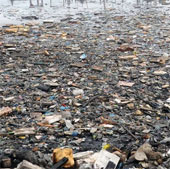
The study, published by the French Institute for Development Research (IRD), shows that about 1.5 million marine animals die each year from poisoning each year due to pl…
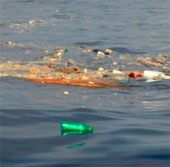
99% of the trash that people throw into the sea is disappearing, but this is not good news.
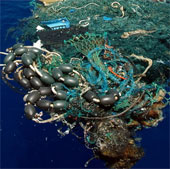
Research by international scientists shows that up to 35,000 tons of plastic are floating on the surface of world oceans, causing serious pollution.
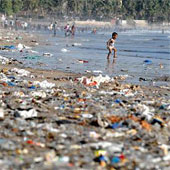
Plastic waste on the ocean is causing damage to the world economy by at least $ 13 billion per year, threatening marine life, tourism and fisheries.
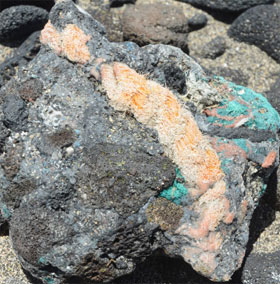
Recent US Geological Society researchers have published a discovery about a new type of rock -

Air pollution in the capital, Beijing, China, was first classified as the yellow alarm group, the second highest level in the 4-step pollution warning system.

Pacific countries can suffer from 2.9-12.7% of Gross Domestic Product (GDP) by 2100 because of the effects of climate change.
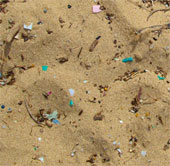
Recent research by British scientists shows that plastic waste of small size will become a threat to the biodiversity of the marine environment.