Discover science
Who was the first person to set foot in the Caribbean?
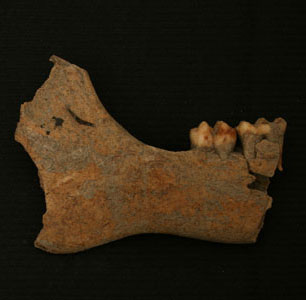
Many skeletons of five animals found on a small Caribbean island are evidence that humans lived in this area long before Christopher Columbus discovered it.
Browse ScienceInfo articles and explainers related to Marsupial.
45 published items.
Many skeletons of five animals found on a small Caribbean island are evidence that humans lived in this area long before Christopher Columbus discovered it.
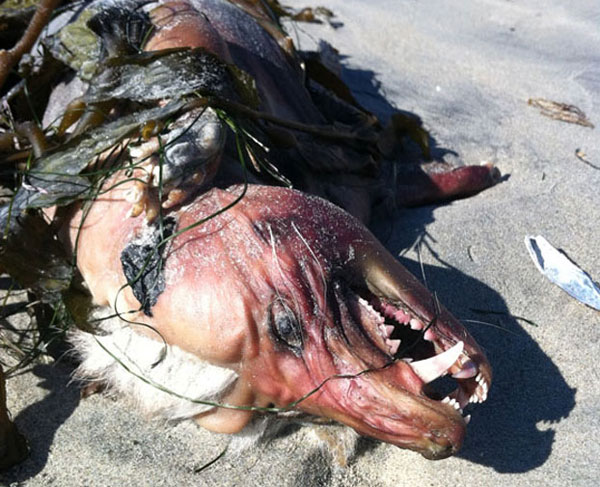
Last week, while skiing in the Pacific coast area of San Diego, a 19-year-old tourist suddenly found a monster looking very ferocious.
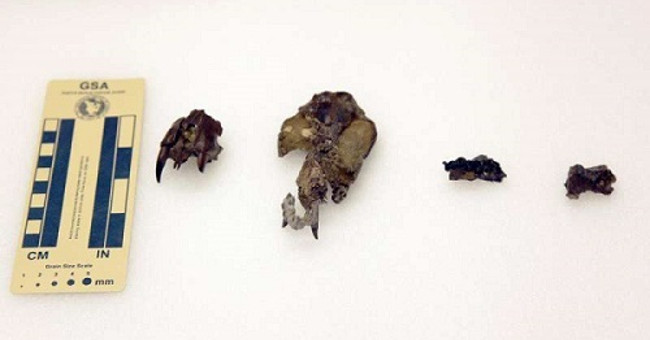
Didelphodon vorax is the largest marsupial in the Cretaceous with strong jaws that can crush prey, including dinosaurs.
Australian researchers successfully extracted the DNA of two extinct marsupials.
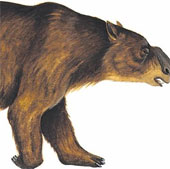
Australian archaeologists have unearthed very prehistoric koalas in the Mornington Peninsula, Victoria.
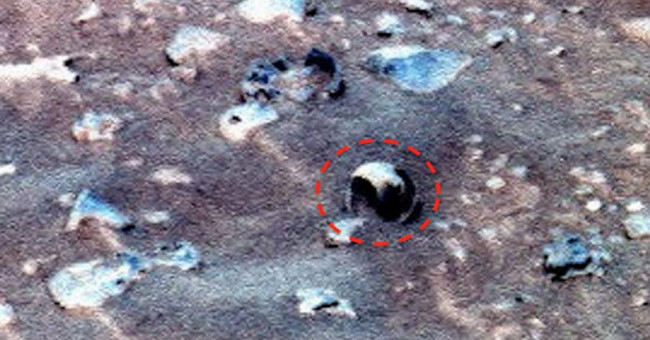
The scalloped image of the Martian surface, captured by NASA's Curiosity, proved the red planet's ocean once lived.
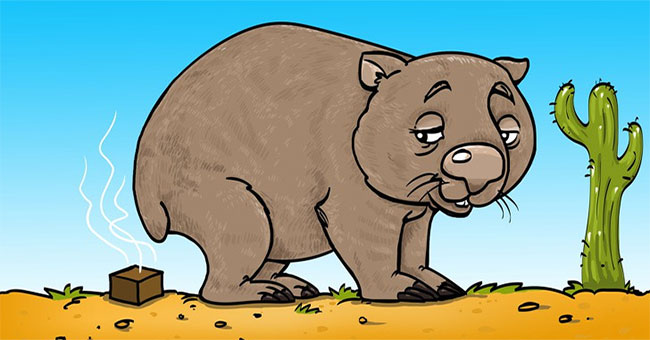
Speaking of special and unique animals in Australia, many people will remember immediately Kangaroo kangaroos or koala bears. But it will be a big mistake if you omit Wo…
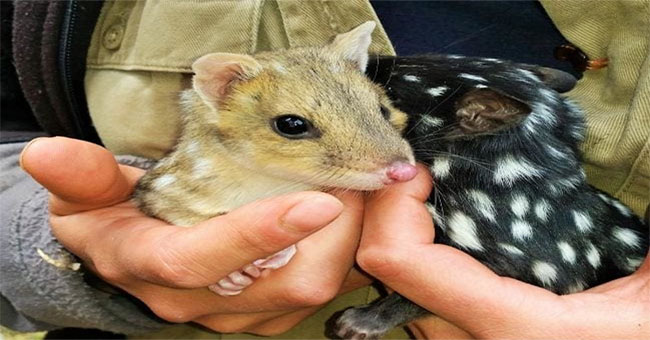
Oriental pocket cats mostly eat insects and have adult cat size.

Kangaroo is a group of marsupials of the Macropodidae family. They often live in Central and Western Australia.

The long python moment began enjoying a sumptuous meal from the marsupial corpse recorded by staff at an Australian clinic.
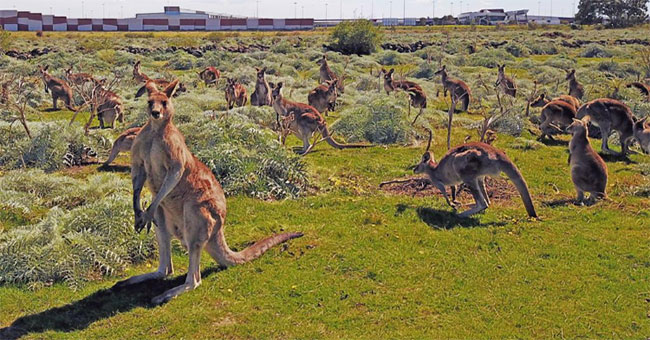
The Australian Kangaroo Protection Association seeks to bring the case to the Australian Supreme Court to prevent hunting of kangaroo in Epping.

Koala bear, or koala (scientific name: Phascolarctos cinereus) is a mammal with a plant-eating bag that lives in Australia and is the only animal that still lives in the…

Animals often run away or attack again when in danger. However, there are species that choose strange self-defense methods, such as fake death, curling their bodies or t…
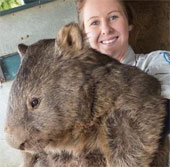
The oldest known pocket bear in the world, now 29, lives in an Australian wildlife park.
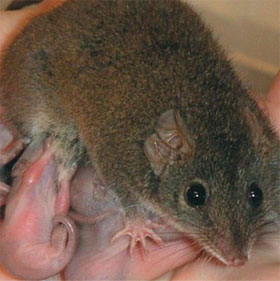
Males of some insectivorous marsupials in Australia can be madly in love, even for 14 hours with their females until it weakens and dies.