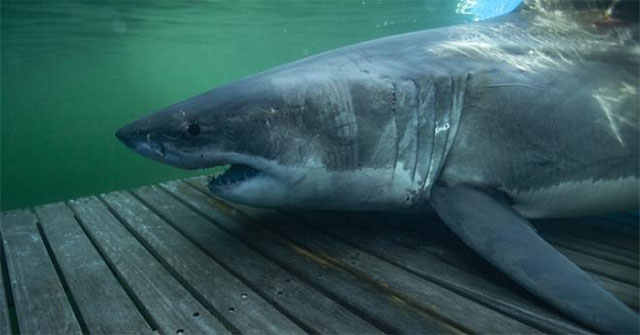
Oceanography
Sharks swim more than 1000km to avoid mating
The pregnant giant white shark seems to have swum a distance of more than 1,100 km to avoid males trying to mate.
Browse ScienceInfo articles and explainers related to Mate.
222 published items.
The pregnant giant white shark seems to have swum a distance of more than 1,100 km to avoid males trying to mate.
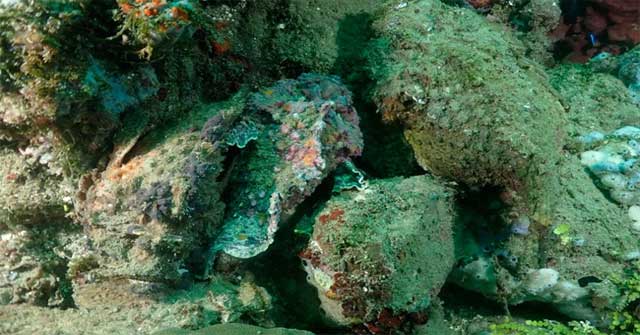
The three male fish surround the female full of eggs waiting to turn to fertilize but at first glance it is difficult to detect the world's most unique fish hidden.

Females can actively mate with males of another species if that provides a better chance of adaptation, the new study says.

Scientists from China and the US have just published interesting findings from a study of today's mating rituals of pandas and the results are extraordinary and very rom…

The 2.5-year-old tiger travels the longest distance ever recorded in India to find a new mate, prey or territory.
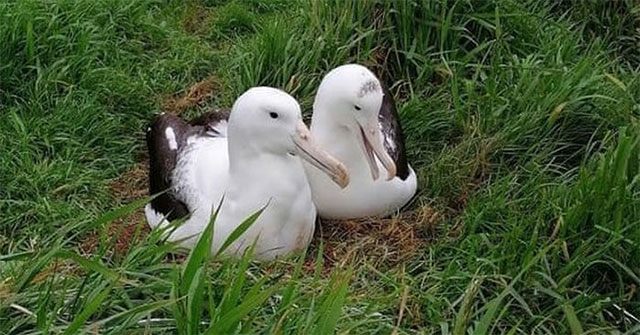
After 4 partners died, seagulls Rob constantly failed to find new friends despite great efforts.
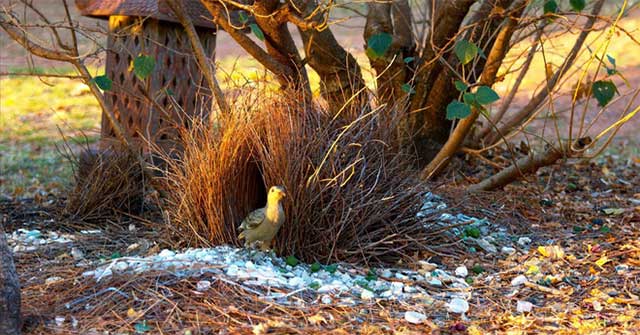
In Australia there exists a bird with seductive skills
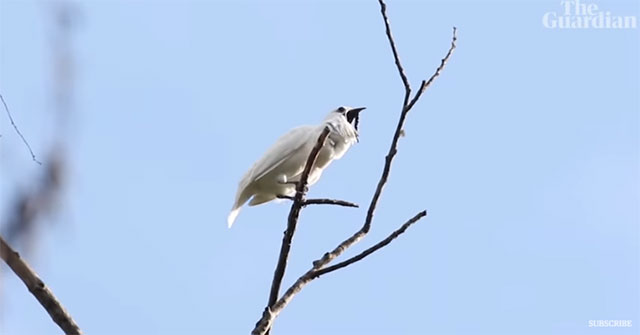
The white-bellied bird in the Amazon forest has set the record for the world's biggest cry, which can damage human hearing.
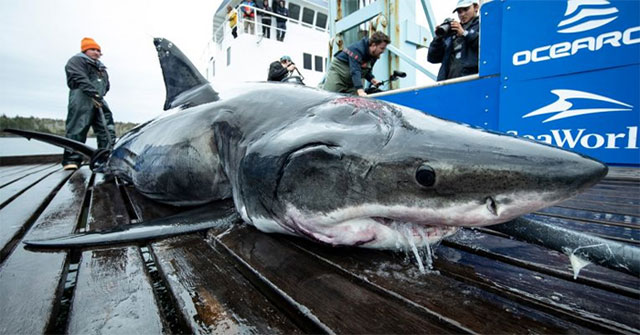
Researchers speculate that sharks may catch head bites by scrambling for mates or trying to mate with larger sharks.
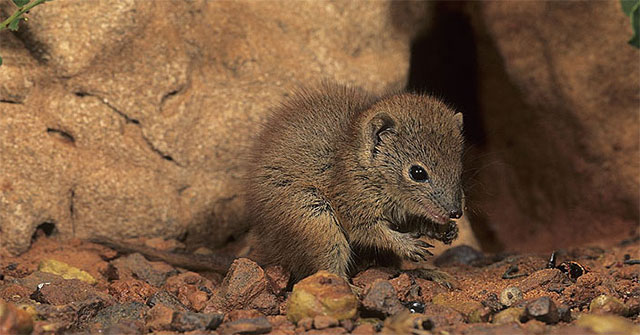
The immune system of male kaluta marsupials weakens because they mate with many mates for a short time, leading to mass deaths.

Until now, the Tibetan mastiff was known to be a giant breed that lived in the mountains.
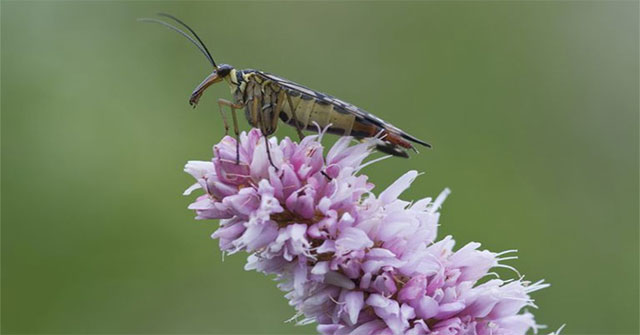
Control your partner to mate for dozens of minutes regardless of whether your partner wants to continue or not, which is the violent 'love' of male scorpions.
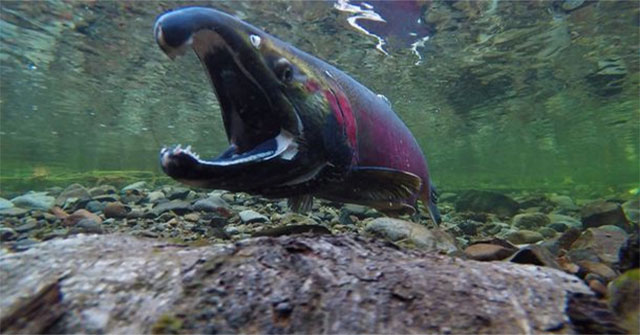
In the animal world, some species have only one mating and reproductive life. Among them, there are animals that will mate continuously until ... die.

A road from Africa across the Eurasian continent has revealed evidence of anomalous love between our modern humans and at least four ancient extinct human species.
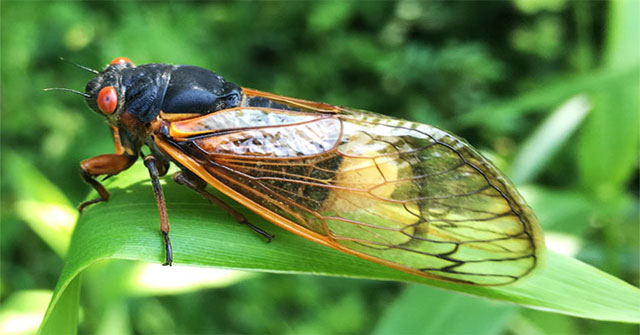
A parasitic fungus not only explodes cicadic belly to spread spores but also controls them to mate to death to increase infection.