Archeology
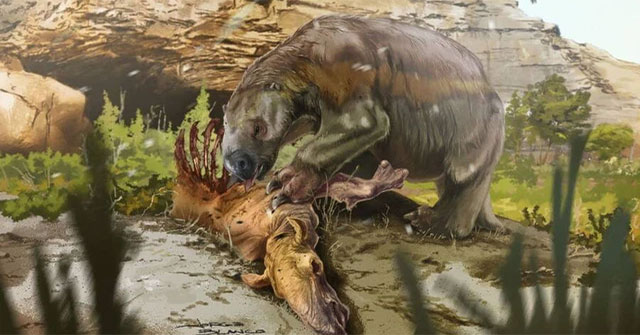
Discovered the first evidence of ancient giant sloths are not vegetarian animals
Scientists determined that these fearsome monsters were omnivores and likely scoured South America in search of meat.
Browse ScienceInfo articles and explainers related to Meat.
651 published items.
Scientists determined that these fearsome monsters were omnivores and likely scoured South America in search of meat.

MeaTech 3D company announced on December 7 that it had successfully bioprinted a 104g steak consisting mainly of fat and artificial muscle cells.
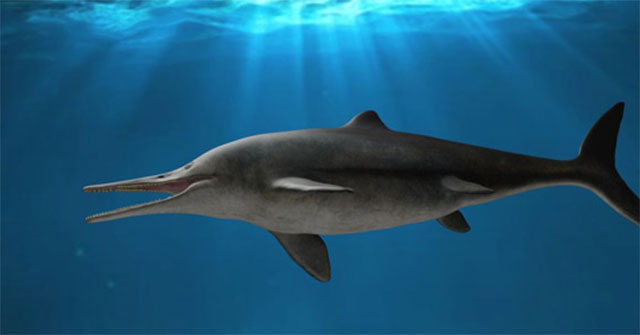
An unknown ichthyosaur, living in the early Cretaceous period, has developed a unique and different tooth from other ichthyosaurs to be able to eat even large prey.
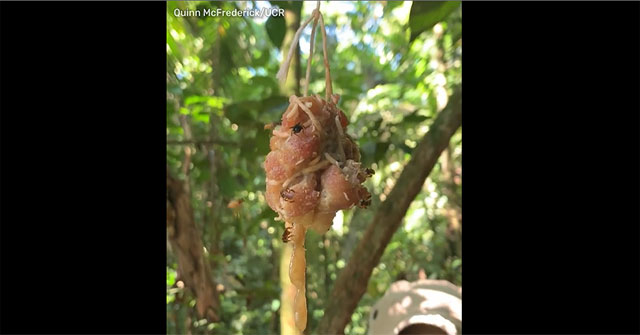
Vulture bees' guts contain different bacteria than vegetarian bees, which help them digest meat.

The Upside Foods factory is equipped with bioreactors to make meat from animal cells without slaughter.

Refrigerators are a modern invention and have been around since the beginning of the 20th century.
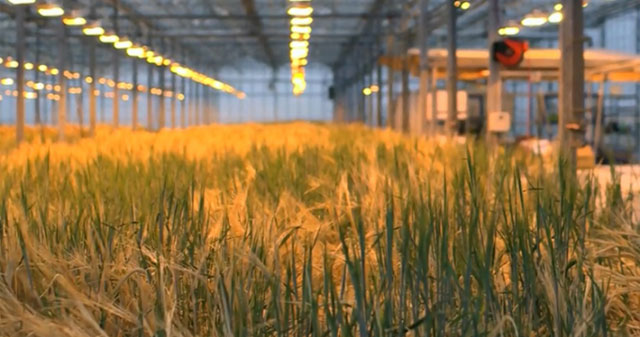
The Icelandic company is growing 130,000 genetically modified barley plants to harvest the protein used in the cell culture of meat.
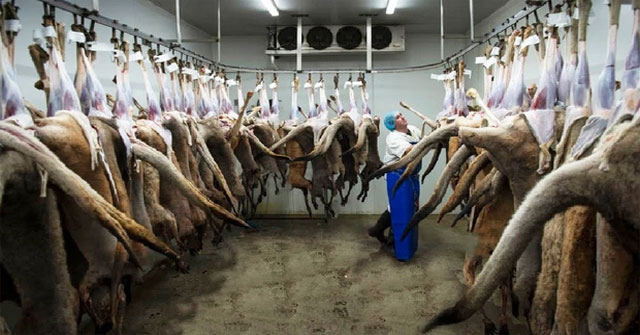
This is an organism that is harmful to humans and has an extremely strong growth.
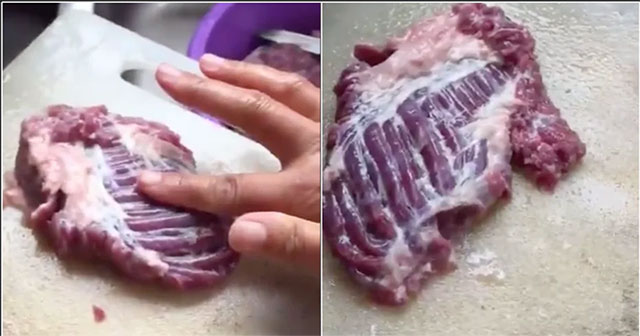
A video is going viral on Twitter of a piece of meat starting to move right on a cutting board.
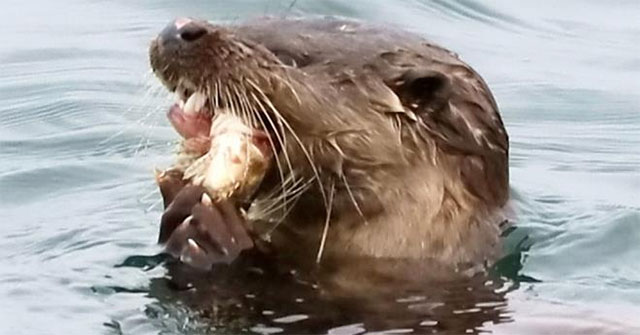
The otter tucks the blind fish into his mouth and restrains it, making it unable to escape.
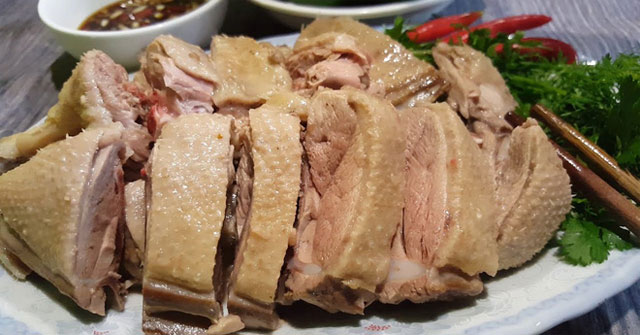
These are 5 dishes of the 5 best food groups in the summer, you should soon put them on the family menu so that the whole family is healthy, reducing the risk of illness…
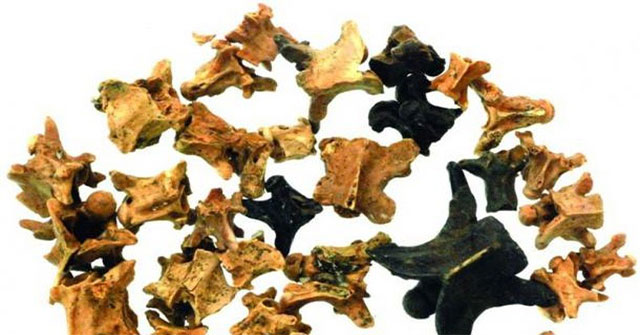
Archaeologists have discovered evidence that humans ate snakes as well as lizards and some reptiles some 15,000 years ago.
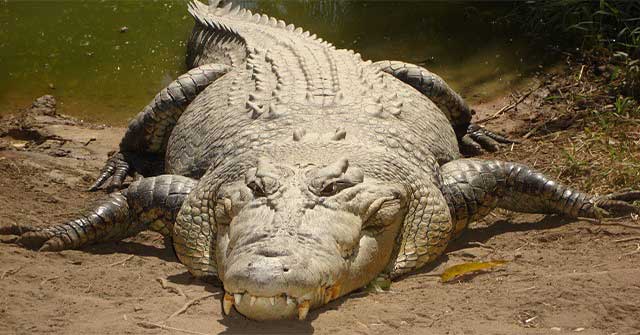
Crocodile is a reptile living underwater. Thanks to their large size, strong jaws, they are one of the most feared predators on Earth.

Producing vinegar from crumbled mango meat by the back-fermentation method has just produced safe vinegar products from nature and contributed to reducing waste in the p…
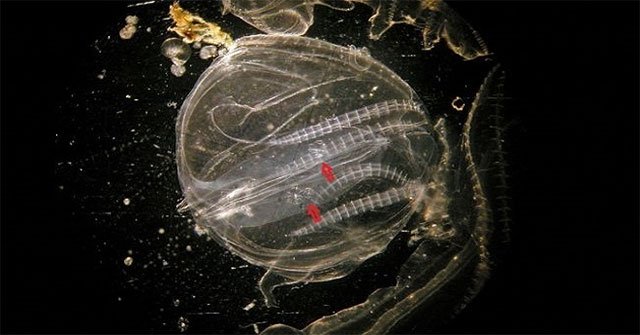
Thousands of invasive Leidyi jellyfish in the Baltic will begin to eat offspring in the late summer to survive a food shortage.