Medicine - Health
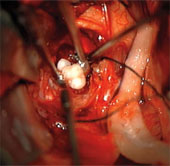
Detecting teeth in newborn brains
Recently, a 4-month-old infant in Maryland was found to have teeth formed in her brain.
Browse ScienceInfo articles and explainers related to Newborn.
196 published items.
Recently, a 4-month-old infant in Maryland was found to have teeth formed in her brain.
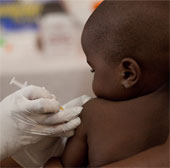
British pharmaceutical manufacturer GlaxoSmithKline (GSK) aims to commercialize the world's first malaria vaccine in 2014.
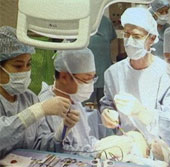
The National Center for Health and Child Development (NCCHD) in Tokyo on August 23 successfully implanted liver cells for a newborn boy.
From November 1, the country officially allows parents to fill in the gender section of their child's birth certificate
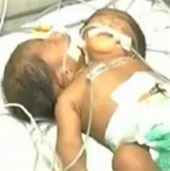
The 2-year-old boy was born 24/7 in Tonk County in Rajasthan, India. Experts say this is in fact the case of conjoined twins with rare parapagus dicephalic syndrome in t…
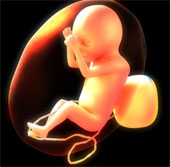
The newborn placenta test of newborns can detect the risk of autism and early treatment to improve the quality of life of children, according to the Daily Mail on April…
The development of the immune system in newborn babies and vitamin D levels vary depending on the month of birth, a new study suggests.
A new study shows that abnormal bowel bacteria may cause some babies to cry violently while others are more benign.
December 29, 2009 is probably the day that Dearea, a mother from Baltimore (USA), will never forget. Early that morning, after gently taking his 1-month-old son Charlie…
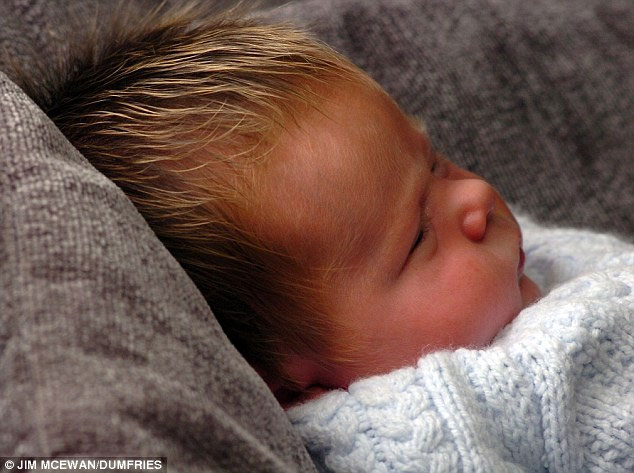
Any passerby must stop and admire him before Mitchell McKay because he has extremely
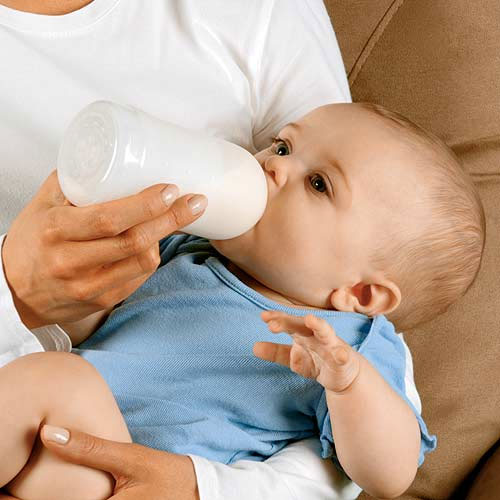
A new study shows that cow's milk is not suitable for babies because it is not nutritious enough for their development.

It is normal for babies to sleep a few times when breathing in their babies. If the apnea is too long, low oxygen levels in the blood will be very harmful to health, esp…
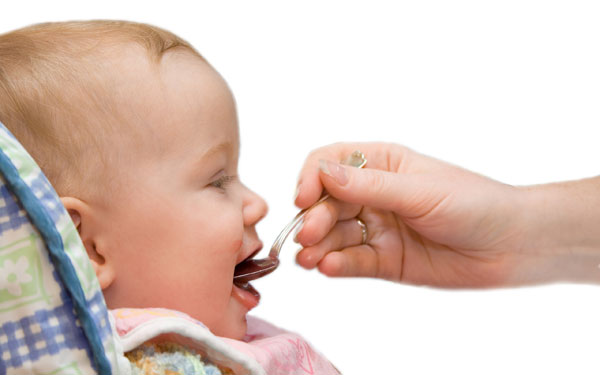
A new study shows that an infant is fed when they ask to be related to IQ. Scientists at Essex University and Oxford University said they studied the data of more than 1…
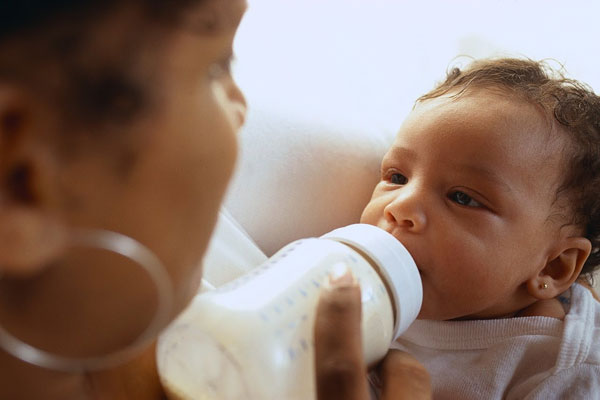
A recent study of babies in the UK found that breastfed babies cry more, laugh less and have less comfort, and wake up than those who raise babies.
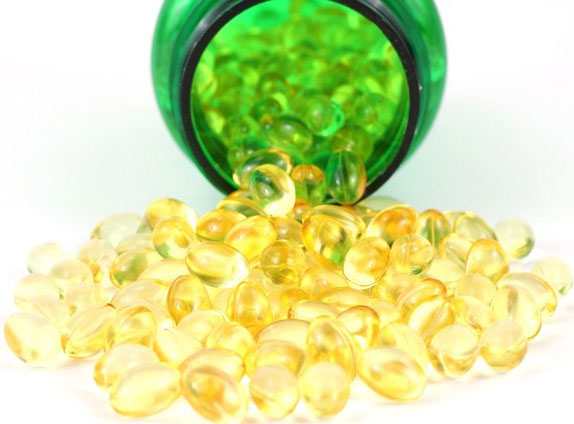
All pregnant women and nursing mothers (breast milk) take vitamin D, to reduce the risk of infant death (due to infection).