Archeology
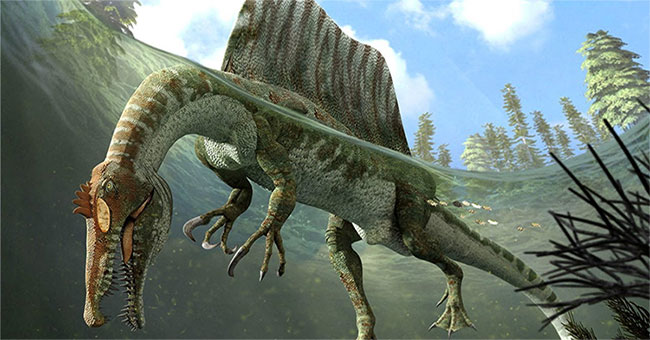
Spinosaurus - The huge predatory dinosaur on Earth
Scientists have discovered a huge predatory dinosaur that once lived on Earth called Spinosaurus.
Browse ScienceInfo articles and explainers related to Paul.
251 published items.
Scientists have discovered a huge predatory dinosaur that once lived on Earth called Spinosaurus.

Paul Croituru, 37, of Romania, and 13-year-old son, were lucky enough to discover 300 coins made of fake silver when using a metal detector on a plot near their home.
American geologists say they have discovered an intact station from the pre-glacial period that was preserved for 2.7 million years underneath the ice sheet on Greenland.

Archaeologists discovered a theater dating to 2,000 years in the UK with the number of seats for 12,000 people.

On October 24, a group of Canadian scientists unexpectedly discovered an ancient city with four pyramids sunk in the Bermuda Triangle, 700 meters from Cuba's east coast.…

A small dinosaur that lived 200 million years ago possessed fangs like vampires, parrot-like beaks, and hard hair like porcupines.

A team of archaeologists from the United States and Canada has announced the discovery of fossils of five primitive crocodiles that not only swim but also
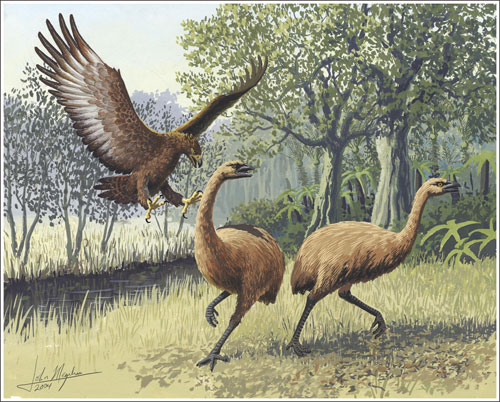
According to a recent study, the fearsome predatory bird predator in the legend is completely real.

Vatican archaeologists found a mural thought to portray St. Paul's face with many wrinkled faces and a huge

The archaeologists working for the Vatican unearthed a sarcophagus in which they believed the remains of the apostle Paul. It is found that the tomb dates from about 390…
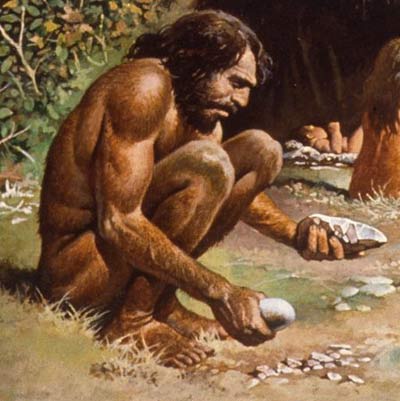
According to Dr. Paul Pettitt, Oxford University (UK) and colleagues, 20,000 - 30,000 years ago, Neanderthals and ancestors of modern people lived in continental Europe.
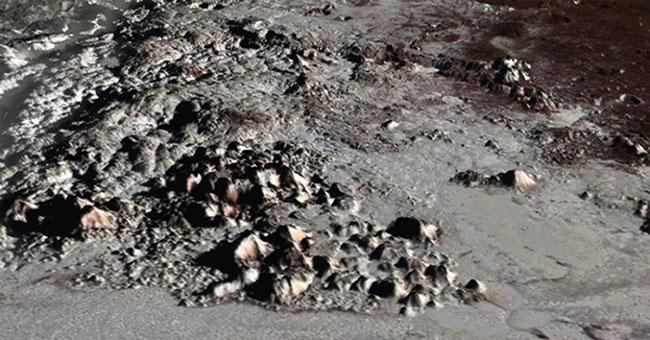
On July 12, 2018, the New Horizon spacecraft has the opportunity to inspect the surface of Pluto and publish many interesting new information.

Asteroid 2018 LA turns into a glowing fire bridge in the sky of Botswana on the evening of June 2, Fox News reported.
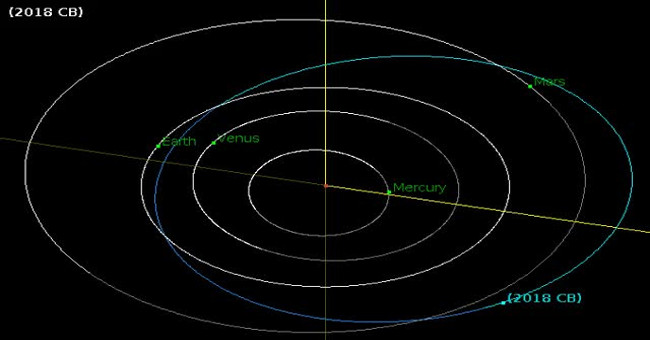
Small asteroids 2018 CBs will approach Earth with much smaller distances than the Moon.
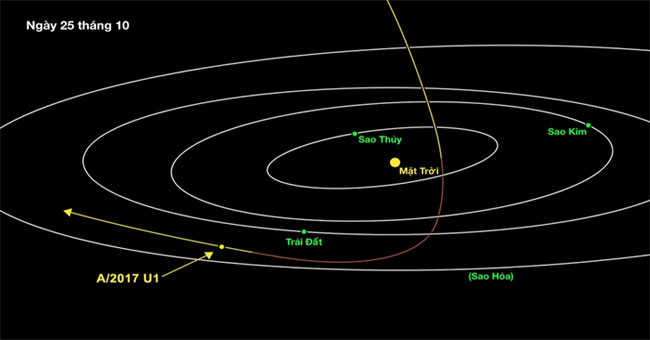
For decades, sky observers have been constantly searching for thousands of new celestial bodies, but they all have a starting point somewhere in the Solar System.