Space science
Vietnam is about to observe the peak of the Orionids meteor shower
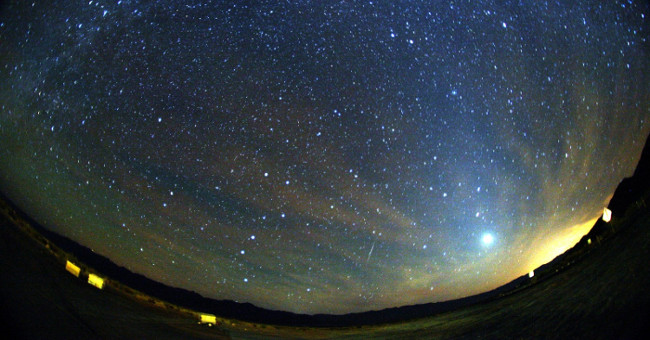
Astronomers in Vietnam can observe the rain of Orionids reaching the peak on the night of 20, dawn on October 21.
Browse ScienceInfo articles and explainers related to Peak.
226 published items.
Astronomers in Vietnam can observe the rain of Orionids reaching the peak on the night of 20, dawn on October 21.

In order to survive the isolation process, these experts had to live on tropical fruits and eggs after using up all their groceries and home grown vegetables.

NASA scientists discovered a huge array of structures on the surface of Mars.
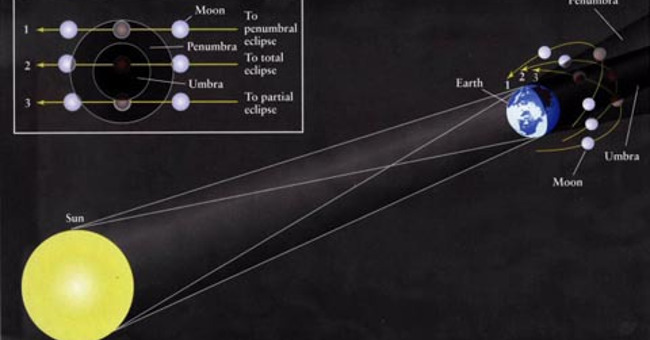
Meteor shower or eclipse are astronomical events in 2017 that Vietnamese people can observe.
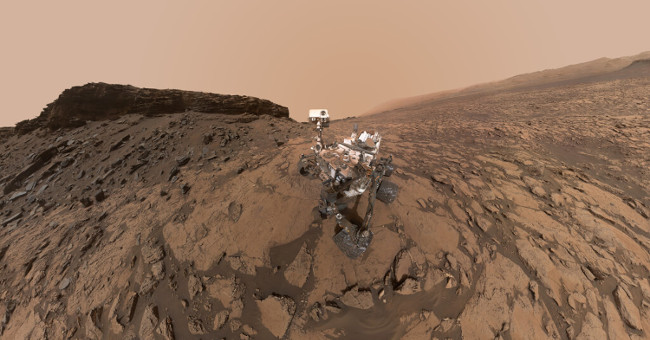
The US Aerospace Agency announced on October 3 that Curiosity continues its journey towards Mount Sharp on Mars's surface - part of the mission that has been extended fo…
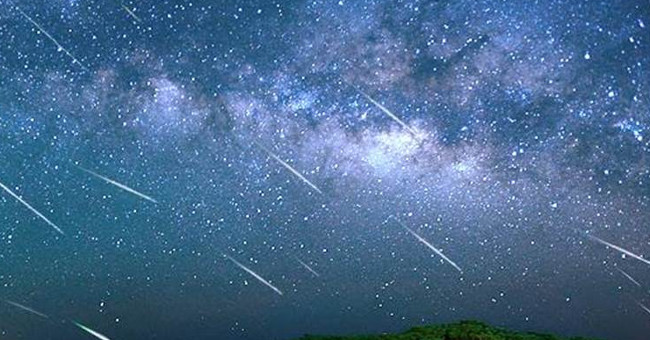
Starting to appear from April 20, Eta Aquarid meteor shower will peak in a few days from 4/5. People all over the world have the opportunity to observe it.
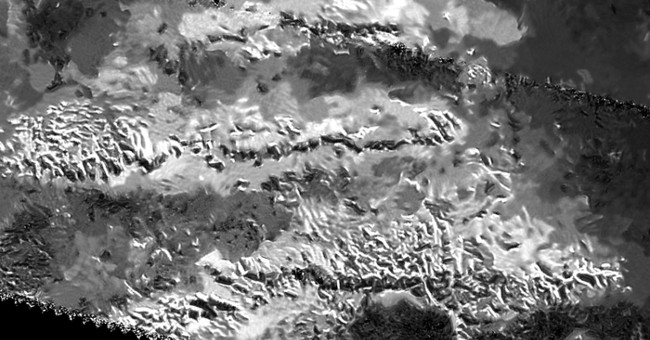
Scientists on NASA's Cassini spacecraft have just taken a flight to the highest peak of Titan on Saturn.
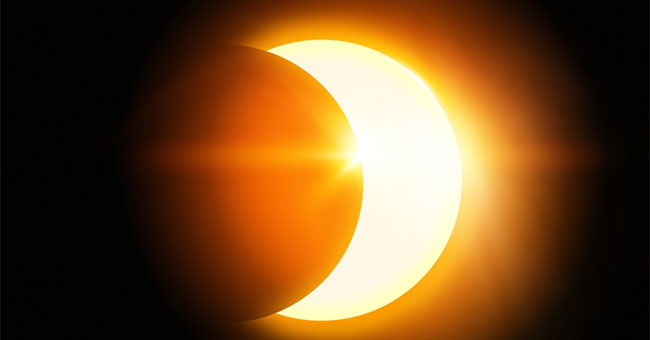
Moon eclipse in the middle of the night, a solar eclipse ... are astronomical phenomena extremely desirable next year.
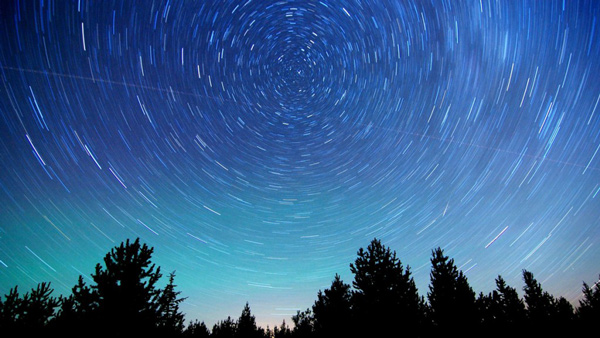
The annual Perseids meteor shower event is always one of the most remarkable astronomical events of the year. Because this is one of the two largest and brightest stars…
Night 10 am 11/8 (Vietnam time), the time of the nearest and brightest full moon in 2014 or the latest
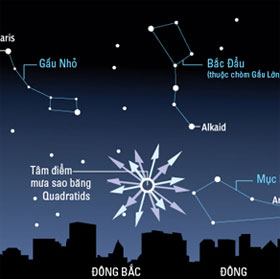
Quadrantids - one of the largest meteor showers in the year will reach its peak on the morning of January 4 with a meteor number of up to 50 tracks / hour.

After more than eight months of Mars exploration, NASA's Curiosity probe captured a panoramic view of the 5,486-meter-tall Aeolis Mons in the center of the Gale Crater b…
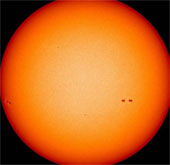
In response to the unusual silence in the solar storm season, NASA warns
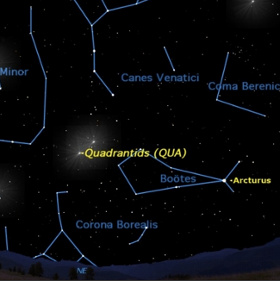
Quadrantids, one of the three most beautiful meteor showers of the year, will reach its peak on Friday morning with about 40 meteor streaks every hour.
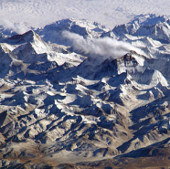
The NASA aerospace agency has made a confusing mistake by placing the Everest peak in India, while in fact the world's highest mountain is located on the border of Nepal…