Medicine - Health
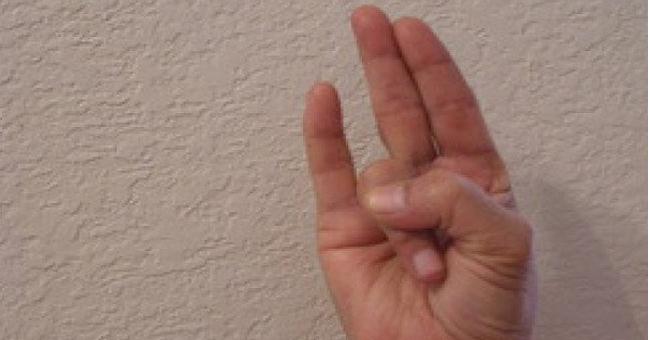
7 Yoga movements for hands
Have you ever heard about Yoga hands? The article will provide you with seven basic movements of your fingers to bring unexpectedly positive effects to your health.
Browse ScienceInfo articles and explainers related to Position.
537 published items.
Have you ever heard about Yoga hands? The article will provide you with seven basic movements of your fingers to bring unexpectedly positive effects to your health.
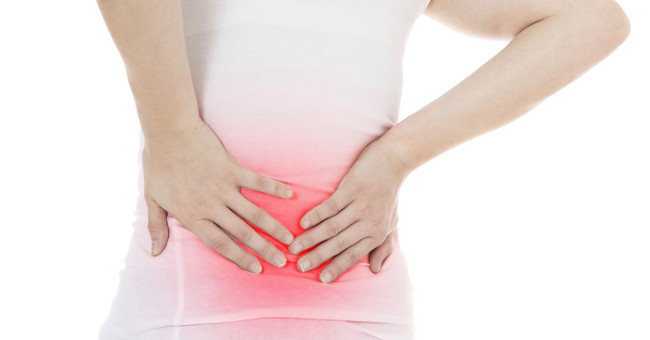
About 50% of people with chronic pancreatitis experience severe problems with back pain.

During the feeding process, the thighs and chicken wings are the two positions selected by the veterinary staff to inject a number of antibiotic prophylaxis. This is als…

Change your sleeping position if you want beautiful dreams.
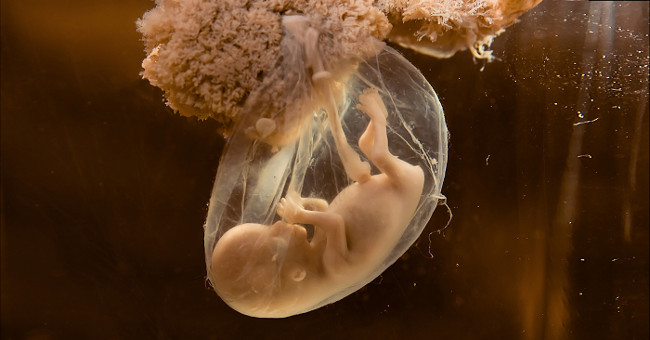
Have you ever wondered why our arms, legs or hearts are in that position, not elsewhere?

Lie on your back, lie on your stomach, tilt your left and right - how much do you usually sleep in?
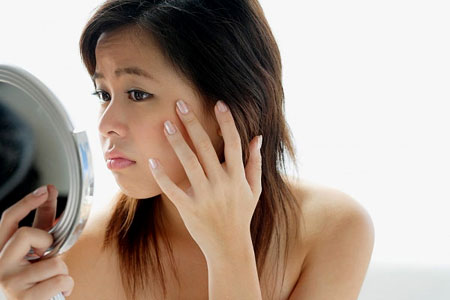
Acne treatment is just a temporary response, understanding the underlying causes to overcome is a long-term treatment.
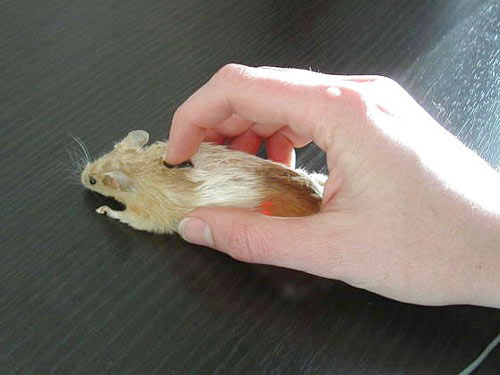
Working daily with computers, we often pay attention to safety for the eyes and protection from electromagnetic radiation. But there is another danger that many people d…
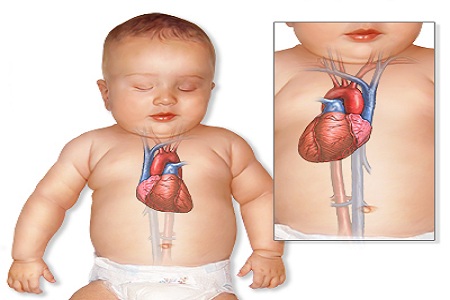
People still live healthy with many internal organs turning upside down and living with the right heart is not very difficult.

Sleeping in a sleeping position with a head on the table in the long term may increase the risk of the following diseases.

Many people often only pay attention to brushing the front of the tooth but missing the molar or inner part. You should brush your teeth for at least two minutes to ensu…
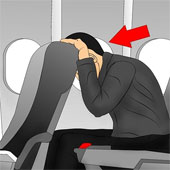
When the plane has a problem, go into a safe sitting position and bend over your knees or fall into the back of the front seat.
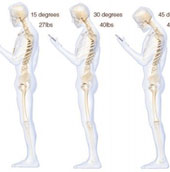
Leaning 60 degrees to look at the phone screen means your neck is under a weight of more than 27kg.

Israeli researchers say that children born in winter-spring often know cattle 5 weeks earlier than summer or autumn.

The secret to getting a good night's sleep at night may not be reading, drinking milk or hot water, but the position you sit at work, according to a new study.