Medicine - Health
Women with blood type O are more likely to become pregnant
A study by American scientists found that women with blood type O were more likely to become pregnant than women with other blood types.
Browse ScienceInfo articles and explainers related to Pregnant.
418 published items.
A study by American scientists found that women with blood type O were more likely to become pregnant than women with other blood types.
Swedish scientists have discovered the secret of uterine transplantation, opening up the possibility of the theory that men can become pregnant and have children.
In medical guidelines so far, pregnant women who have miscarried are often advised to only be pregnant again after at least 6 months. However, recent research by the Uni…
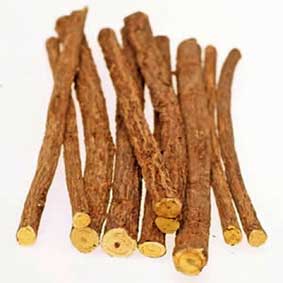
European scientists warn pregnant women of licorice can increase their risk of developing diabetes, hypertension and adult obesity.

Drinking a cup of coffee every day during pregnancy does not increase the risk of miscarriage or premature birth.

Pregnant women need to take higher doses of vitamin D, compared with the usual indications, a new study has just recommended.

Women who drink alcohol during pregnancy cause their babies to have a higher risk of epilepsy than normal children.

Children born will be healthier and less likely to be obese if pregnant mothers regularly exercise.

Many women in early pregnancy have started taking vitamin C and E supplements in hopes of helping to prevent complications of hypertension during pregnancy.

Pregnant women, if not treated with gum disease, are 3 times more likely to have a premature birth before 35 weeks, US scientists claim.

A recent study has shown that the notion that developing a baby's brain reduces a woman's memory is just a myth.


If pregnant women are frequently exposed to atrazine herbicide, there is a high risk of having a baby with open abdominal disease.

If a woman has uterine fibroids, the probability of dying for the fetus is significantly higher than that of other normal women.

Doctors detect bacteria in the mother's mouth in blood vessels, lungs and 39-week-old fetal stomach.