Space science
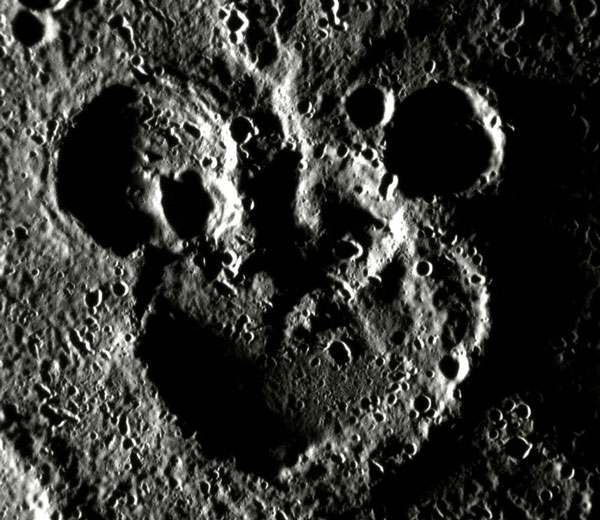
Detecting the head of Mickey Mouse on Mercury
The Mercury probe of the US Aerospace Agency (NASA) has announced the discovery of a
Browse ScienceInfo articles and explainers related to Probe.
532 published items.
The Mercury probe of the US Aerospace Agency (NASA) has announced the discovery of a
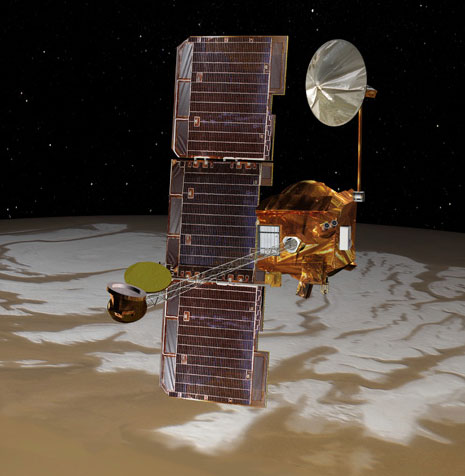
The Mars Odyssey, the spacecraft flying around American Mars, switched to safe mode after the computer system detected a technical problem. In standby mode, the Mars Ody…
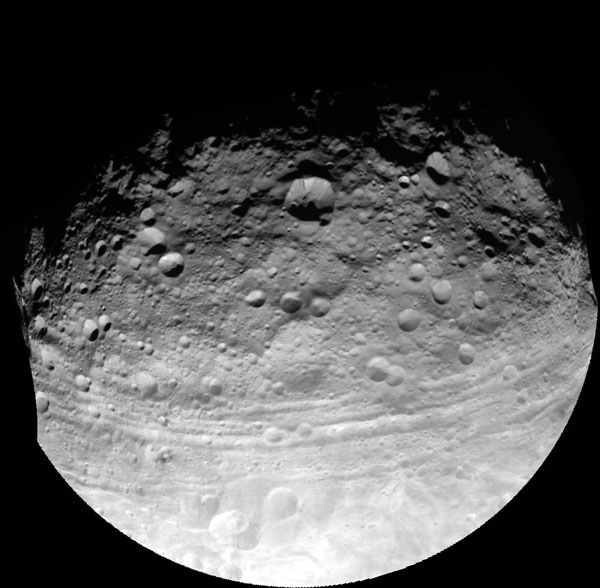
The new discovery shows that Vesta is not an asteroid but is a newborn planet exactly from Ancient times, but not undergoing accretion and evolution to join the ranks of…
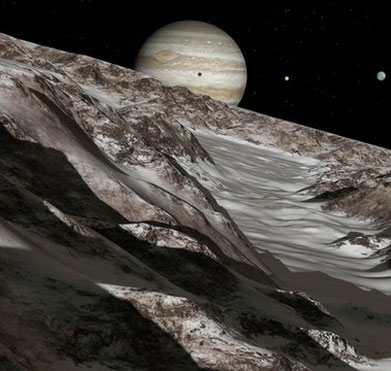
The European Space Agency (ESA) has agreed to spend 1 billion euros to build a modern probe for the mission of Jupiter - the largest planet in the Solar System, and its…
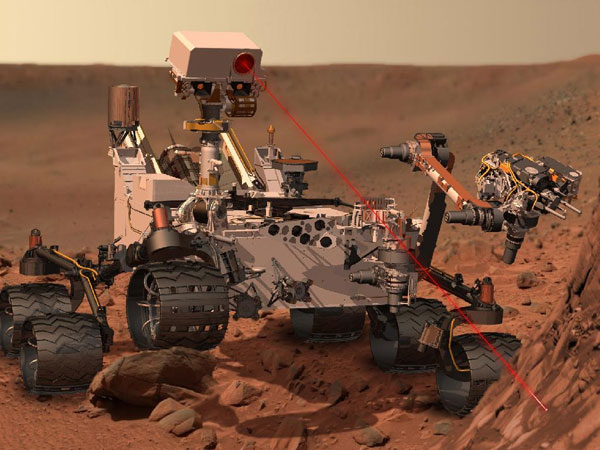
The new study supports the hypothesis that Mars initially had a thick and humid atmosphere, with a fairly similar climate on Earth today. Some previous studies have show…
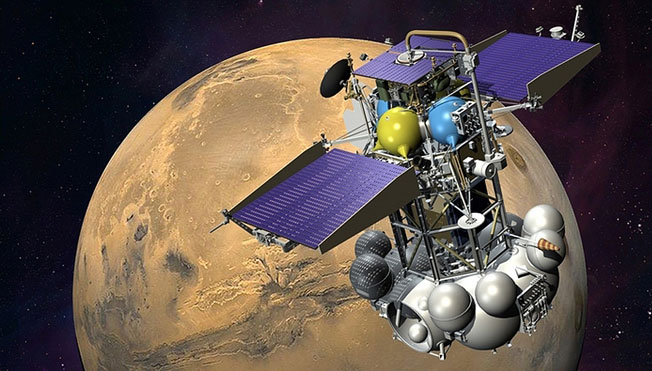
Roskosmos is about to repeat once again the Phobos-Grunt experiment, General Director Vladimir Popovkin announced. According to him, this time the technology will be upg…
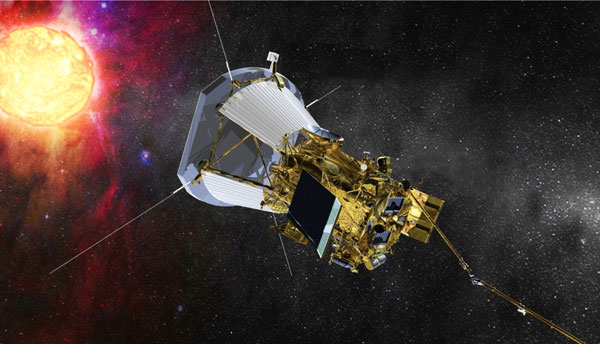
NASA experts started an unprecedented big project about studying the Sun. They will send this planet a Solar Probe Plus, a solar device close to the solar crown and work…
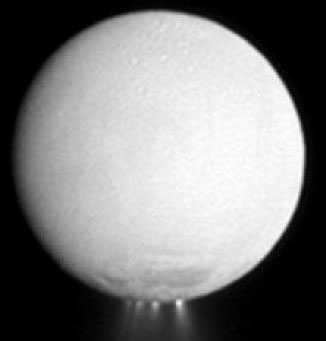
On March 28 (VN time), the Cassini probe has flown across Saturn's moon Enceladus to the lowest level ever. Scientists think there may be an ocean on this moon.
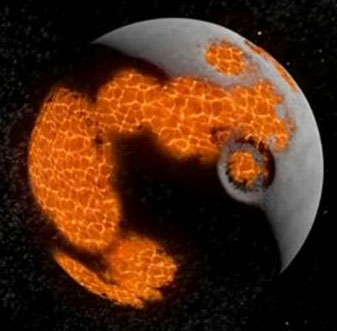
The moon is thought to have formed since a Mars-sized planet hit our Earth 4.5 billion years ago, creating billions of tons of hot matter in the universe and forming the…
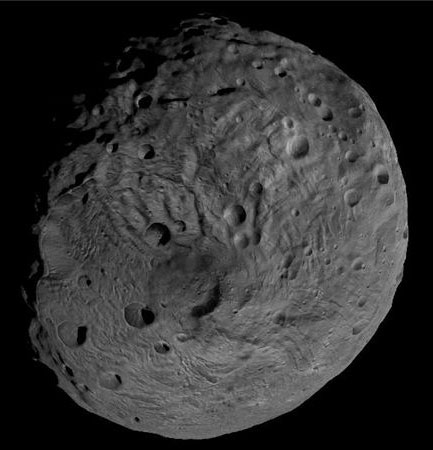
Vesta - one of the largest asteroids in the solar system with a diameter of nearly 530 km - has many characteristics similar to rocky planets like Earth, discovered by a…
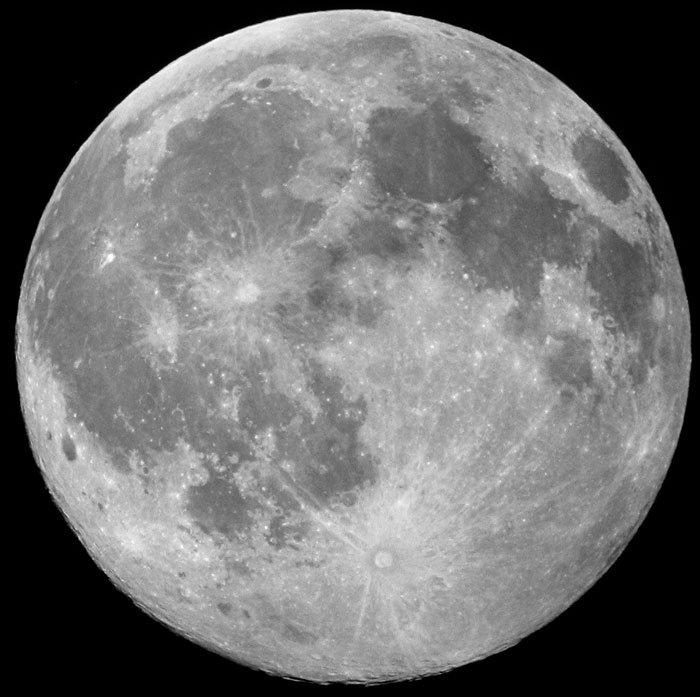
Director of the Russian Space Agency, Vladimir Popovkin, revealed that Russia intends to bring people to explore the Moon by 2020.
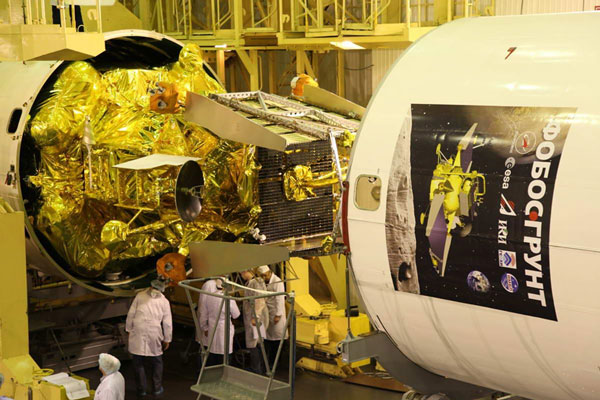
On January 31, the Russian space agency Roscosmos announced the impact of cosmic radioactivity as the cause of the automatic interplanetary Station.
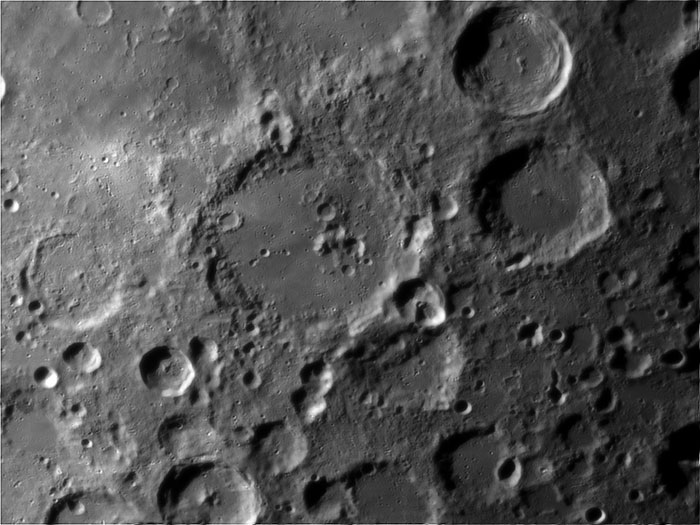
The probe of NASA's Space Aeronautics Agency (NASA) has just sent back to Earth the first image on the Moon's surface that shows many giant craters - reported on CNN on…
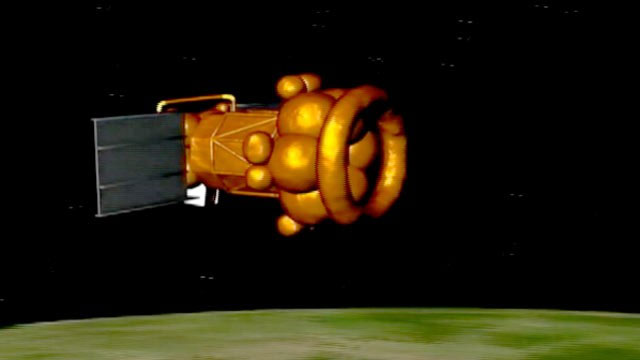
Russian scientists reported that the Phobos-Grunt spacecraft's debris had fallen into the Pacific on Sunday 15 October after failing to complete the mission to explore M…
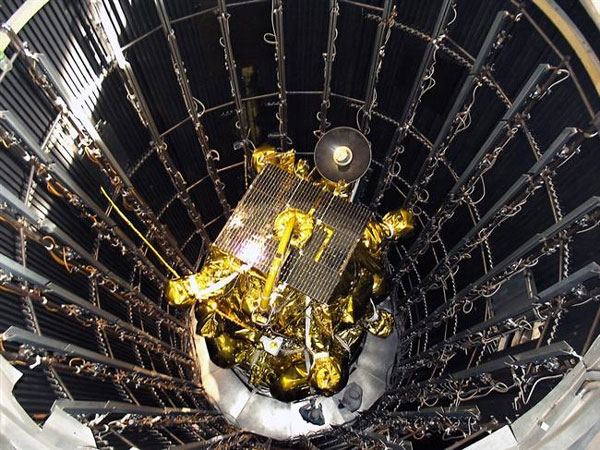
The reporter in the Russian Federation led the news in the newspaper