
New technology
First hydrogen-powered gas turbine tested
A European consortium has successfully tested the first gas turbine powered entirely by hydrogen.
Browse ScienceInfo articles and explainers related to Project.
2,378 published items.
A European consortium has successfully tested the first gas turbine powered entirely by hydrogen.
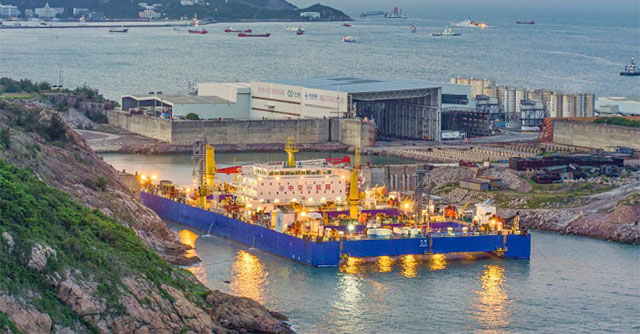
China installed the final section of a 6,845-meter-long undersea tunnel in the Greater Bay Area of Guangdong Province on June 11.
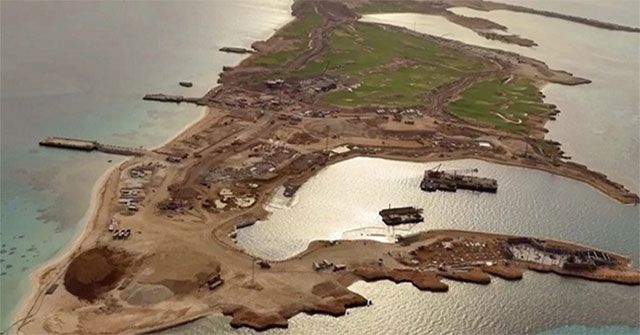
Nadhmi Al-Nasr, NEOM project executive director, said construction workers have completed 20 percent of the megacity's infrastructure.
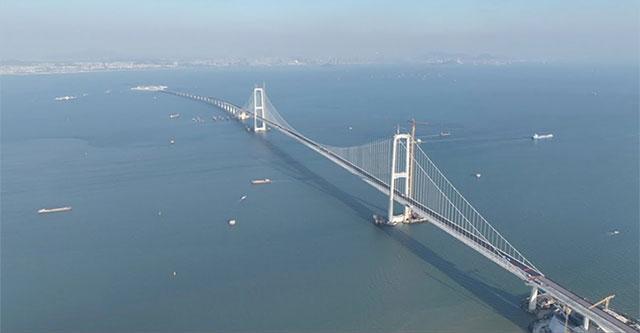
China just set a world record while building a sea bridge connecting two cities. What is it?

Jeddah Tower will be 172m taller than the world's current tallest building, the Burj Khalifa in the UAE.
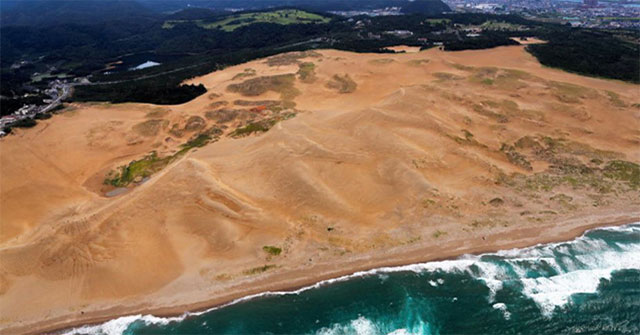
Due to over-reforestation, the 16-km long sand dunes along the Tottori coast have gradually shrunk to only 12% of their size 100 years ago.
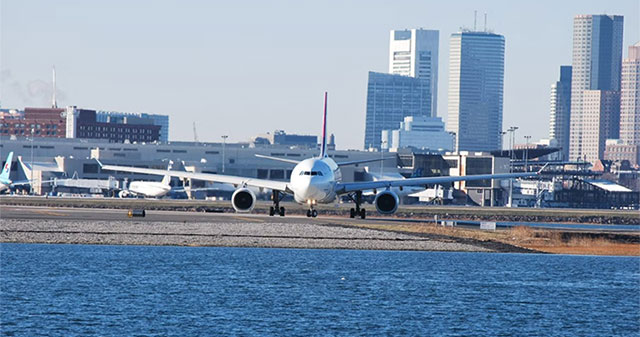
With an investment of up to 20 billion USD, Kansai International Airport is located in the middle of Osaka Bay off the coast of Honshu, Osaka, Japan, making many tourist…
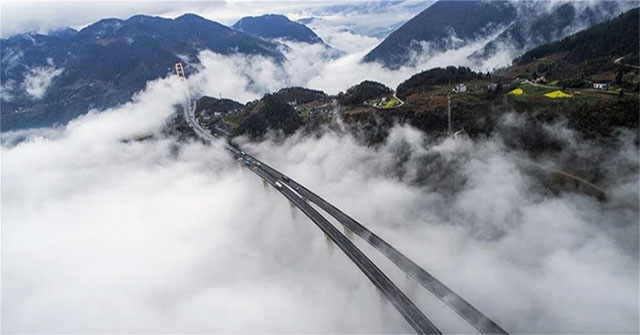
Siduhe Bridge is a 'giant' project that demonstrates the remarkable development of China's road and bridge infrastructure system.
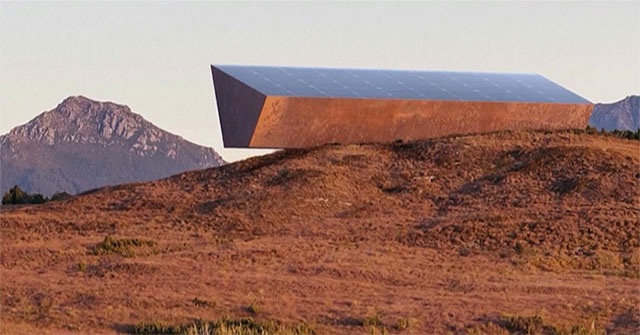
Despite many advances in technology, humans still seem to be worried about the impending danger of extinction.
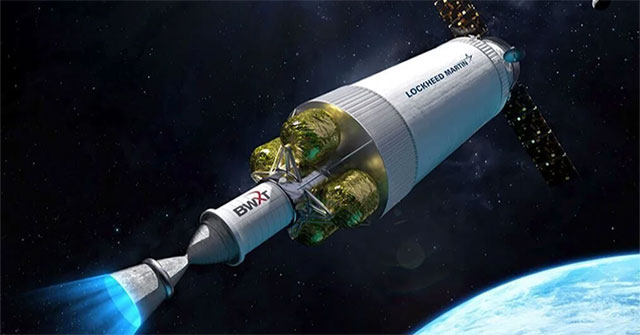
Nowadays, the race to explore and conquer space in the context of a technological explosion has urged Western countries to build launch vehicles using nuclear propulsion.

The CARMENES planet-hunting project has shocked scientists by finding that 1 in 10 newly discovered planets have signs of liquid water.
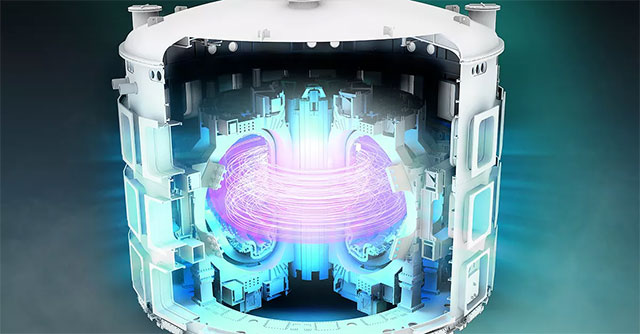
This is the world's first reactor that will power the Earth using nuclear reactions like the Sun.
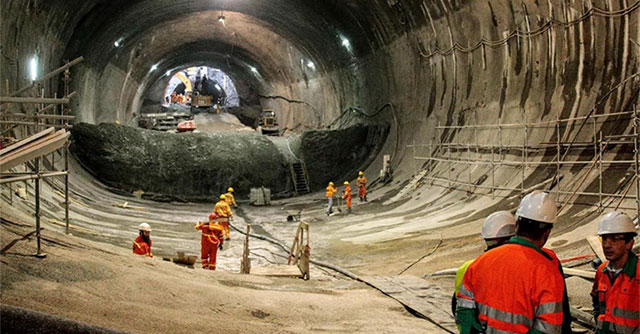
A super project that left the US and Japan helpless, an African country was forced to pay a high price for Chinese technology help.
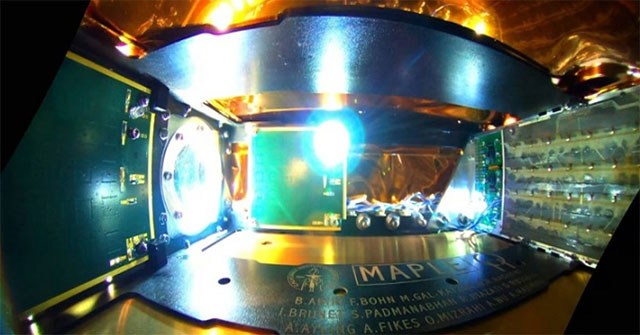
A research team at the California Institute of Technology (Caltech) conducted the world's first experiment transmitting wireless power in space.
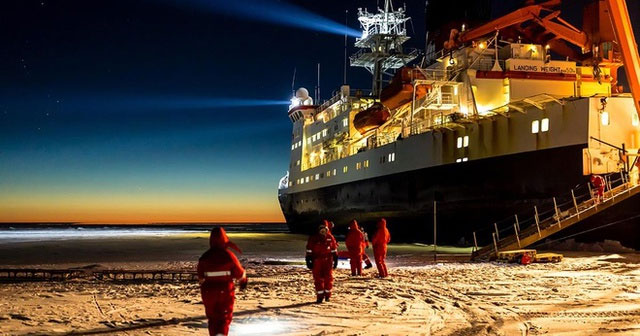
After 389 days in the Arctic on a project that cost more than $160 million, scientists unexpectedly brought back bad news.