Medicine - Health
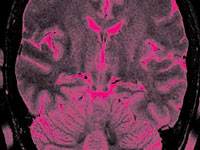
For the first time, brain tumors do not open the skull
French experts have successfully destroyed brain metastasis with laser beams. This method uses nuclear magnetic resonance imaging technology without opening the skull.
Browse ScienceInfo articles and explainers related to Resonance.
73 published items.
French experts have successfully destroyed brain metastasis with laser beams. This method uses nuclear magnetic resonance imaging technology without opening the skull.
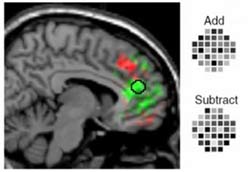
Magnetic resonance imaging (MRI) has allowed neuroscientists to observe areas of the brain that work in a person reading, memorizing, listening, feeling a pain, imaginin…
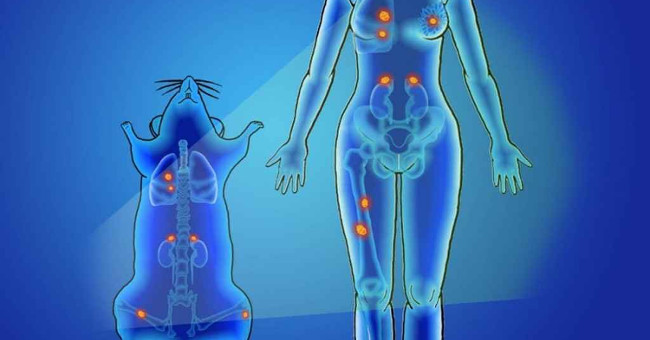
According to results published in Nature Biomedical Engineering, this method proved superior to previous methods of detecting letters, such as magnetic resonance imaging.
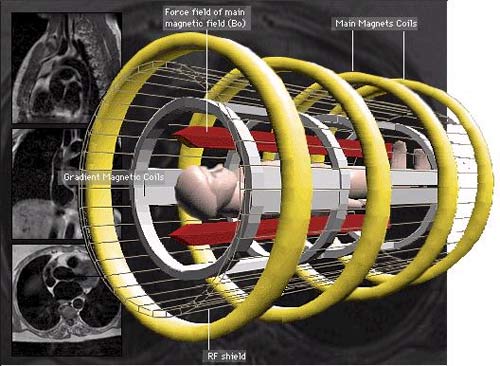
US researchers have found a different method than traditional to create magnetic resonance images to observe objects with resolutions up to 90 nm. The best traditional n…
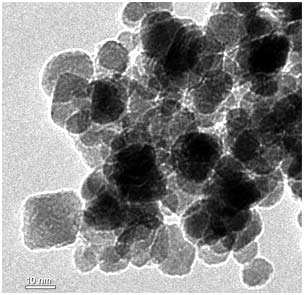
New studies on nuclear magnetic resonance spectroscopy (Nuclear Magnetic Resonance-NMR) of a magnetorheological nanofluid can help scientists distinguish healthy cells a…
These bubbles have a lifetime of tens of minutes.

Using magnetic resonators to study the activities of the brain, scientists can read human thoughts.
With this machine, all your thoughts will show up on the screen as a movie for the whole world to see.

Scientists want to create a kind

Italian and Russian researchers have created a neural network with children
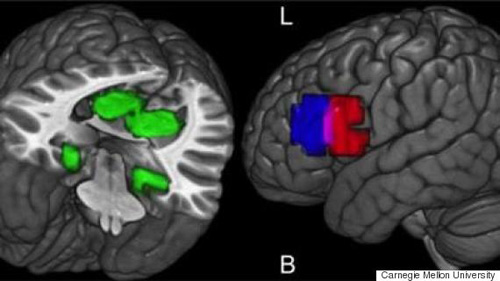
Scientists can read the human mind based on the magnetic resonance imaging of the neural activity in the brain.

Researchers at the Korea Institute of Advanced Science and Technology (KAIST) have built a wireless charging facility for 40 smartphones.

In the smart home of the future, the transmission of wireless energy can be done as easily as wireless internet.
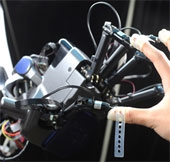
Miracles are taking place on Russky Island in Russia's Far East. A new medical center has been opened here, where four-arm robots and surgeons perform complex cancer…
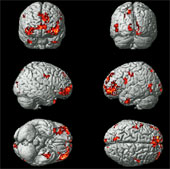
With the use of functional magnetic resonance imaging (fMRI) devices, for the first time, science can re-map the human emotional states based on neural activity.