Space science
The Solar System in 2005
In 2005, humanity took further steps in understanding the mysteries of the solar system, adding interesting discoveries that opened enormous new doorways for mankind.
Browse ScienceInfo articles and explainers related to Saturn.
278 published items.
In 2005, humanity took further steps in understanding the mysteries of the solar system, adding interesting discoveries that opened enormous new doorways for mankind.
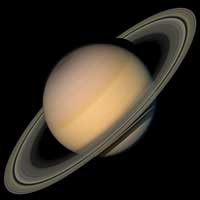
The F belt is made up of a glowing center curve (called the center) and from many concentric circles, called small fibers. At first people thought these fibers were sepa…
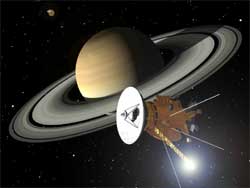
NASA said that last week, US and European Cassini space probes approached the surface of Dione, Saturn's satellite at a distance of 500 kilometers, revealing a frozen su…
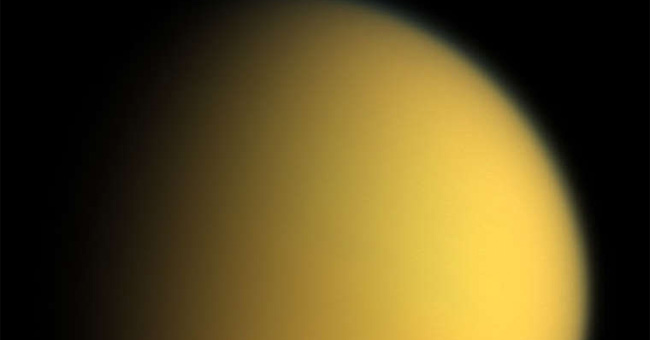
Christiaan Huygens was the first to discover the Titan satellite, but the name was set by another astronomer two centuries later.
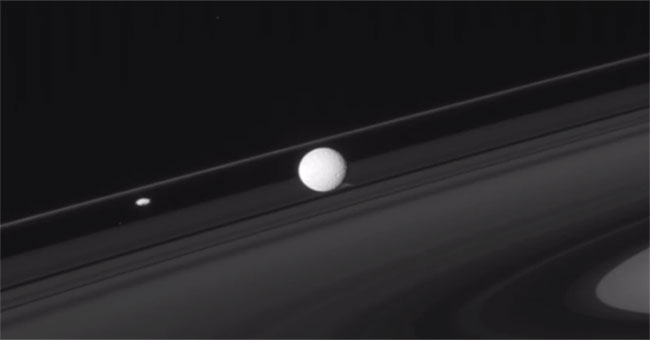
According to the Daily Star, the mysterious sound was recorded when the Cassini probe first flew around Saturn in 2004.

Supernova remnants of the Crab Nebula, Sunlight, collision of 2 black holes, Sun-filled Saturn are the best images of the record recorded in 2017.

After 13 years of flying around Saturn and capturing beautiful images, NASA's $ 3 billion Cassini spacecraft will enter the planet's atmosphere and explode.
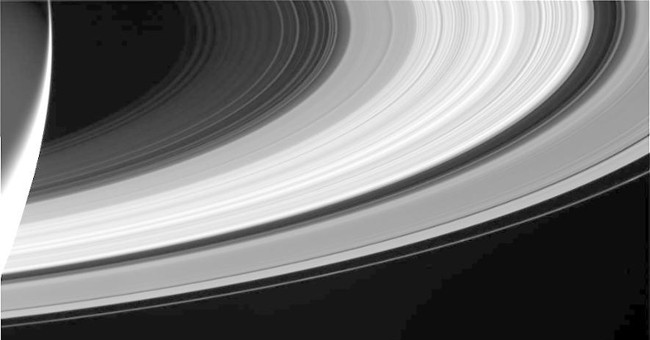
Cassini sent back to Earth the final images of Saturn before committing suicide this afternoon.
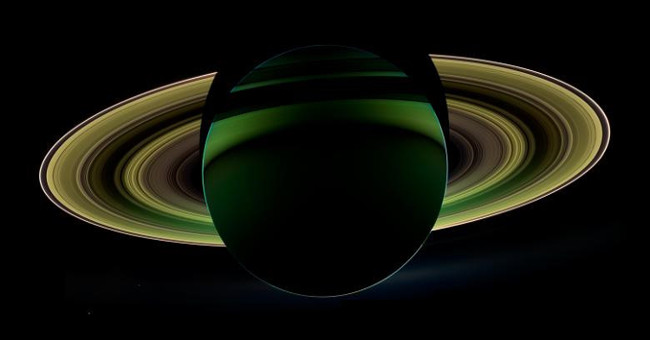
13 years flying around Saturn, NASA's Cassini spacecraft has recorded thousands of stunning images of this mysterious planet.
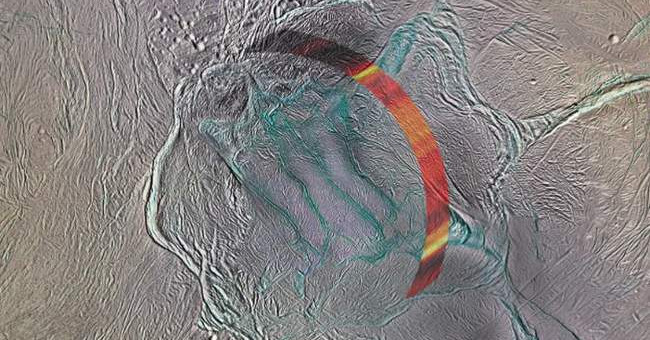
If it is determined that Saturn's moon Enceladus exists, this will be one of the greatest discoveries in human history.

The US Aeronautics and Space Administration (NASA) has just released a close-up series of images of the Big Red Storms on Jupiter captured by the unmanned aerial vehicle…
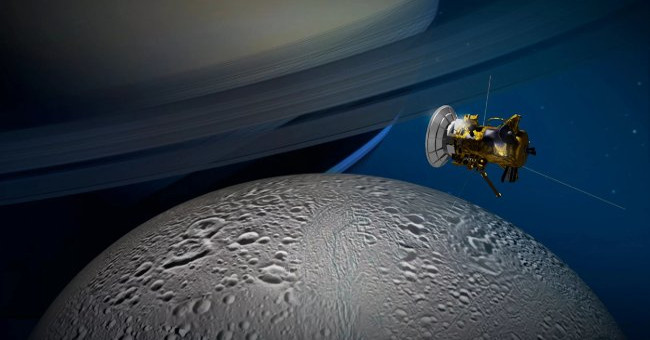
If it is determined that Saturn's moon Enceladus exists, this will be one of the greatest discoveries in human history.
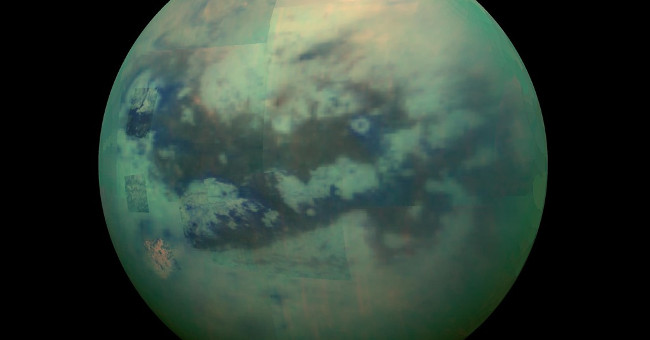
Upon landing on the imaginary surface of Titan, Saturn's largest satellite, in 2005, the Huygens probe discovered a strange world like ours.
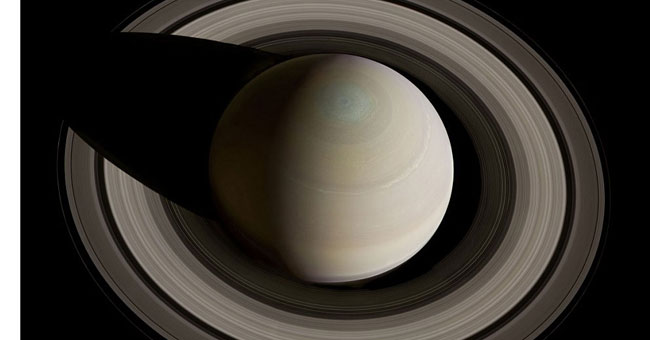
The following image will give you a completely different view of the planets in our solar system.
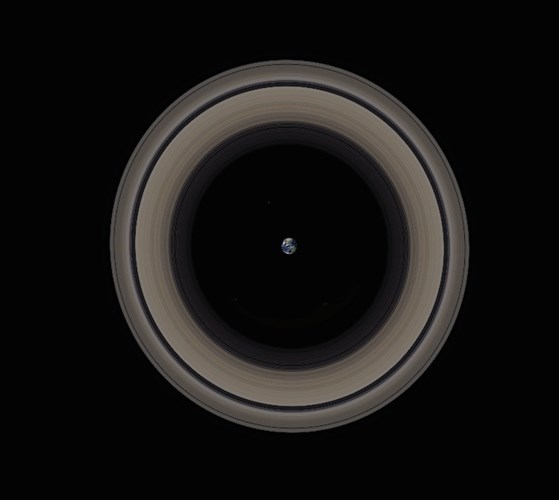
Our earth is so small compared to the vastness of the space outside the planet so you have to stretch your eyes to see.