
Animal world
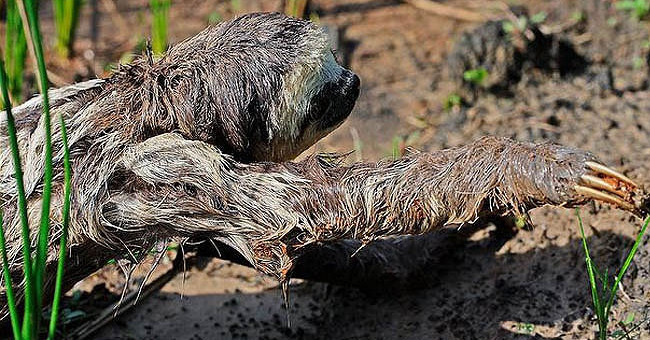
The truth about the hard life of a sloth
Referring to sloths, we think of slowness, laziness, lying on the tree all day. But in fact, sloths have more mysteries to explain their slowness.
Browse ScienceInfo articles and explainers related to Sloth.
22 published items.
Referring to sloths, we think of slowness, laziness, lying on the tree all day. But in fact, sloths have more mysteries to explain their slowness.
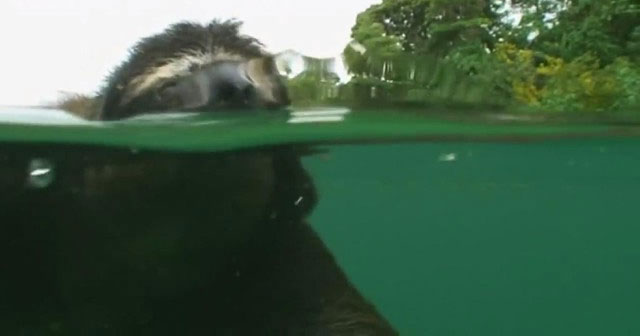
Creatures are considered 'lazy' when they move very little and move slowly. However, surprisingly, this animal has the ability to swim very fast
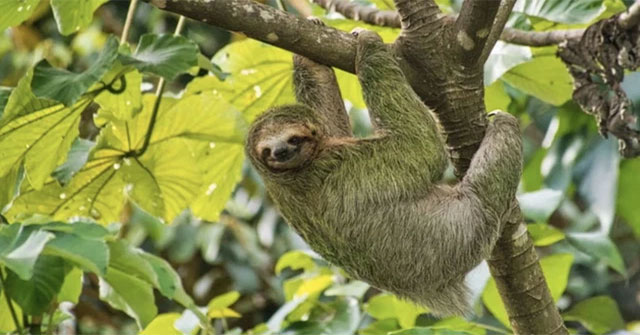
When we think of long-armed animals, we might think of apes, but in fact there is another species that has beaten them.
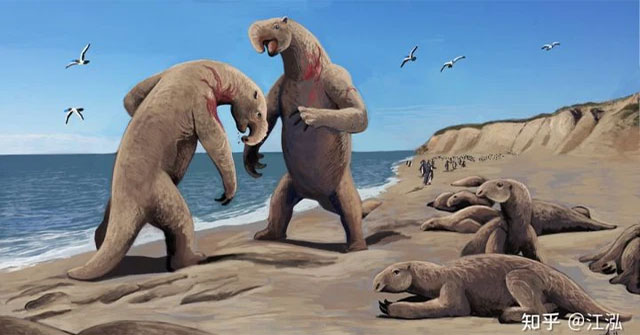
They are large mammals, appearing 7 million years ago, but after 4 million years, they completely disappeared because of changes in the environment.
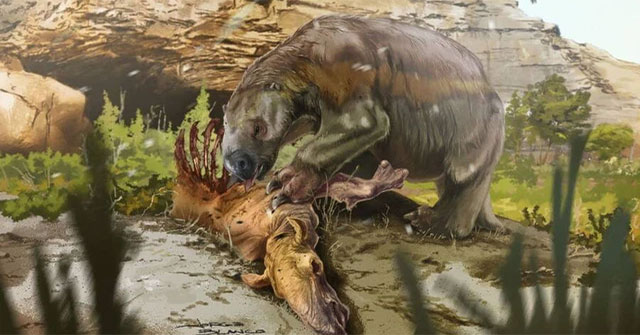
Scientists determined that these fearsome monsters were omnivores and likely scoured South America in search of meat.
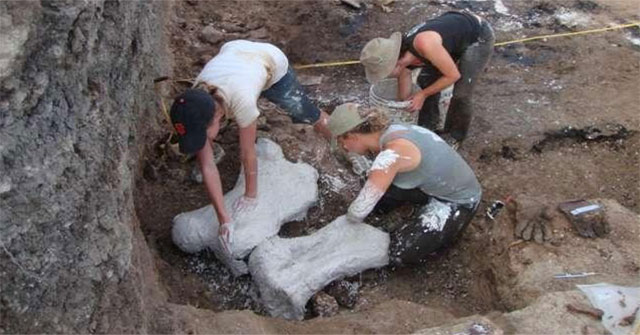
Giant generations of sloths died of apparent hypoxia, after gathering at a swamp at a time in the late Ice Age.
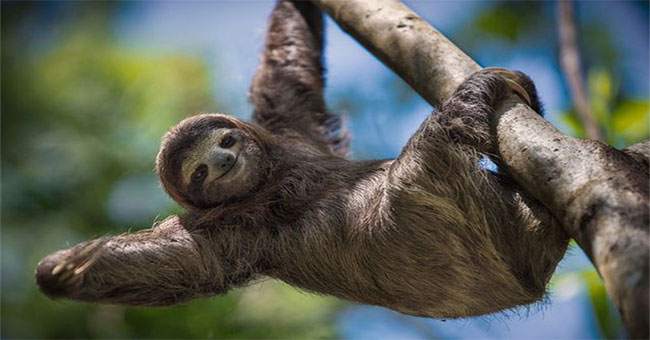
If a sloth does not win the champion, then no one dares to accept the number 2. But why would they choose such a strange lifestyle?

We warn you not to read this story while eating. It contained science, bizarre but mixed with a feeling of disgust hidden behind the innocent, bewildered face of this So…

Many small and gentle animals in the present, having children even raised as pets have had ancestors of giant beasts that terrify the ancient world.
There has long been a related theory of human origins with sponges, but new genetic research shows that a jellyfish-like species is likely to be the origin of every crea…

The new species was named Xibalbaonyx oviceps, based on the Mayan Xibalba referring to the afterlife.

A 3.6-million-year-old rhino fossil was discovered in Tibet, suggesting that some species such as giant mammoths, sloths and cat-like cats may have developed in the high…
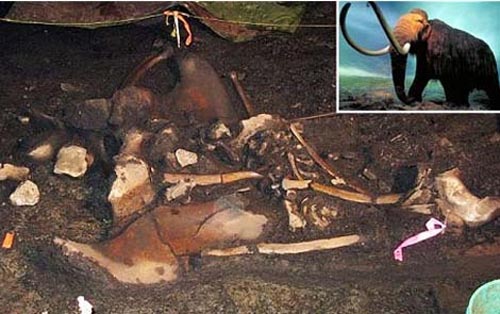
Construction workers have discovered an archaeological site consisting of many fossils of giant animals during the ice age, such as mammoths, mastodons and sloths.

No need to doubt, the thousand-pounding hand of this giant beast named Megatherium will make you fly your head.