Discover science
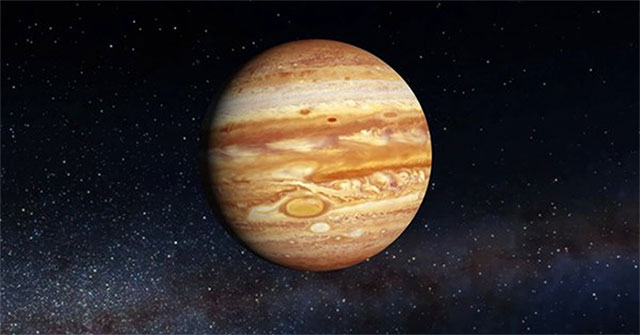
Which planet is the largest in the Solar System?
It is the fifth planet from the Sun and the oldest of the planets.
Browse ScienceInfo articles and explainers related to Solar.
2,143 published items.
It is the fifth planet from the Sun and the oldest of the planets.
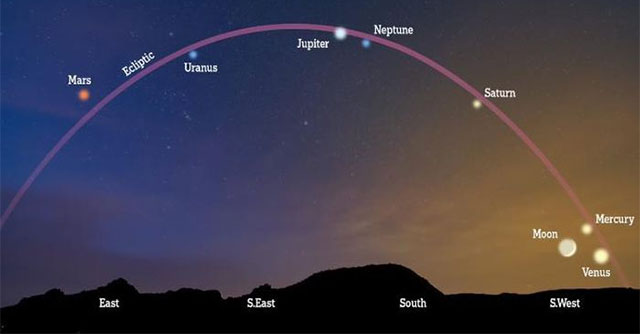
Astronomy enthusiasts around the world have just witnessed a special event when all seven planets of the Solar System appeared at the same time in the night sky.
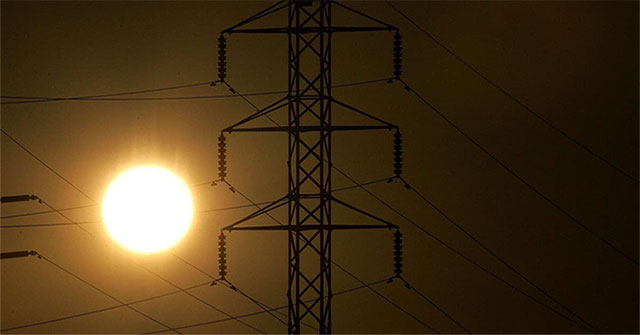
By observing changes in the number of sunspots, scientists have discovered that solar activity shows periodic changes.
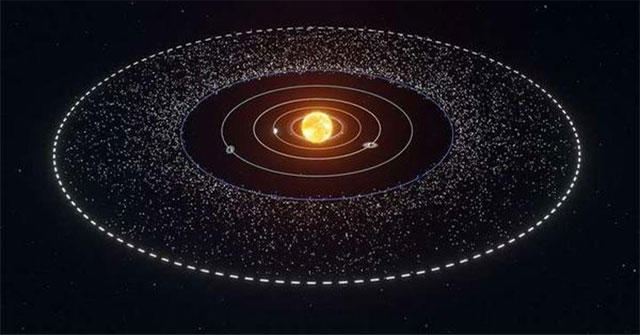
Recently, new discoveries from the Subaru telescope have provided groundbreaking insights into distant regions at the edge of the Solar System, opening up the possibilit…
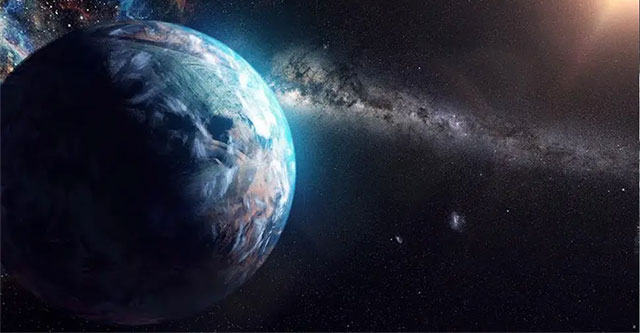
Some rocky planets like Earth are destroyed by the Sun.
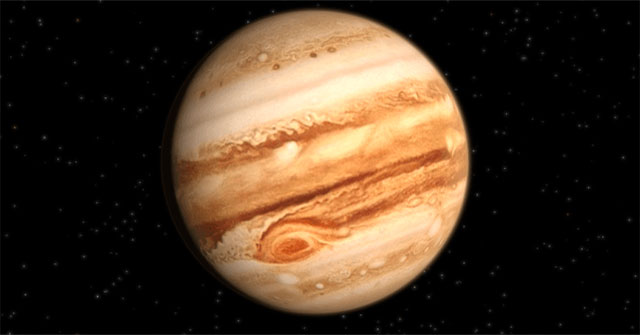
While Jupiter is the earliest planet to be born, determining which planet is the youngest is much more difficult.
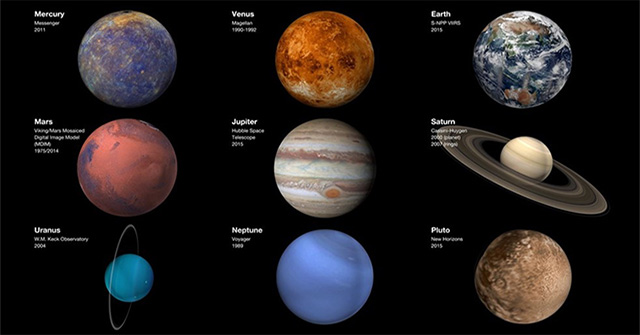
Humans need oxygen to breathe. If there is not enough oxygen anywhere in the Solar System, death comes quickly.
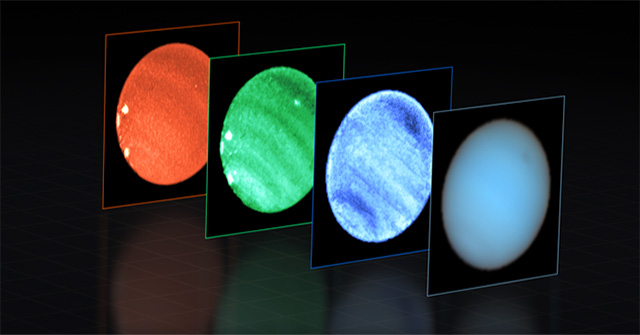
A vast dark area that has scientists baffled is growing and multiplying on a planet in our solar system, accompanied by a similarly puzzling bright spot nearby.
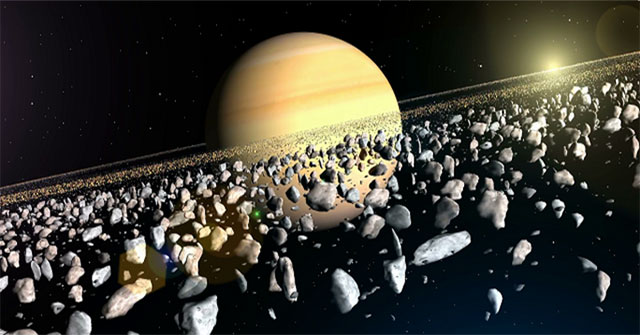
One of the most puzzling structures in the Solar System may have been created by a collision of two icy moons orbiting Saturn.
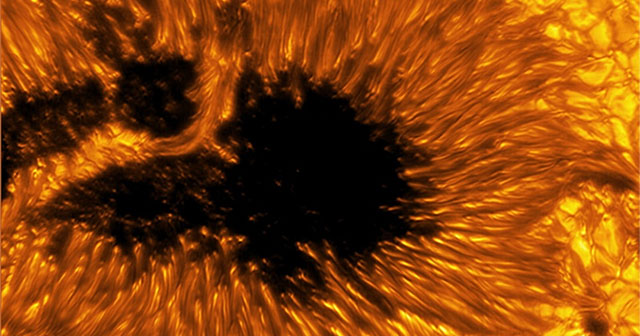
New images of the Sun's surface reveal sunspots and other structures in greater detail than ever before, CNN reported on May 25.
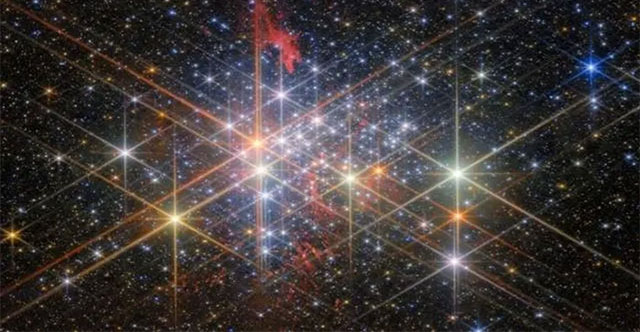
After years of being obscured by dust and gas, the largest young supercluster in the Milky Way - Westerlund 1 - has finally been discovered by the James Webb Space Teles…

International experts have been researching a giant sunshade placed in space to help combat global climate change.
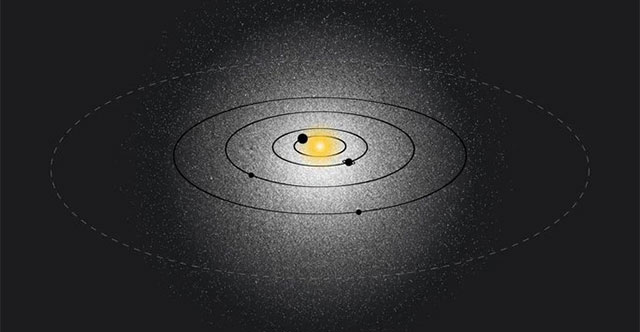
The ghost of light is like a thick, dim shell that surrounds the entire Solar System, invisible to older telescopes but looming large in Hubble's divine eye.
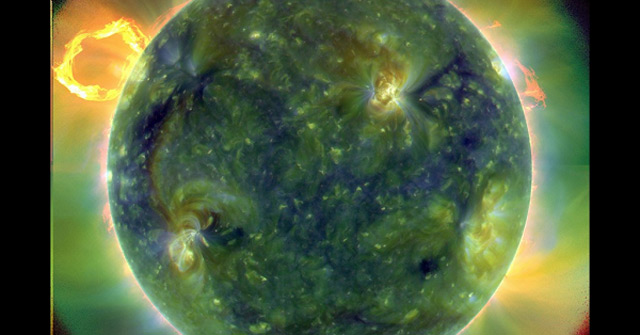
Surrounding the sun is a layer of gas called the corona in plasma form with temperatures reaching over 3 million degrees.

It is the closest planet to the Solar System, with a diameter just over one-third that of Earth.