Oceanography
Marine animals protect the Earth from millions of viruses
Shrimp, oysters, sponges and shellfish can effectively remove virus particles in the aquatic environment through a variety of methods.
Browse ScienceInfo articles and explainers related to Sponge.
77 published items.
Shrimp, oysters, sponges and shellfish can effectively remove virus particles in the aquatic environment through a variety of methods.
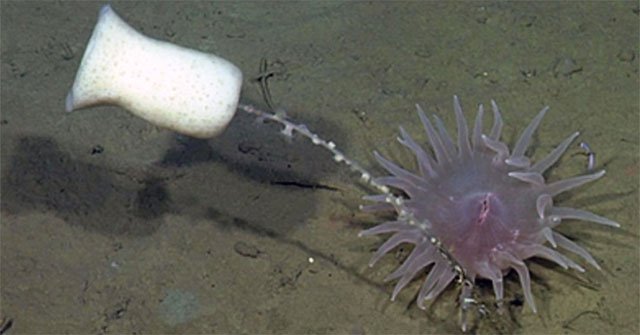
US scientists recorded sponges sneezing, rare behavior of animals living in the deep sea.

Science is an endless long road with thousands of turns. And surely you will not be able to become a scientist in just a few days.

Think back to it, the baby's day when someone buys a new home is that you immediately open the box with an eager mood, isn't it?

Previously, experts have always argued about the exact time when ancient species developed the first primitive ability to see light.
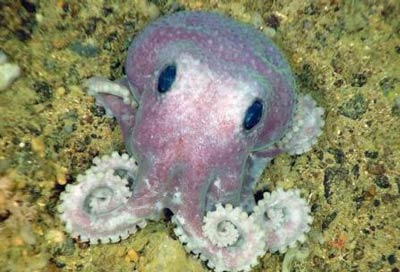
A team of Canadian and Spanish scientists has just announced the discovery of many previously unknown new organisms in the North Atlantic Ocean.
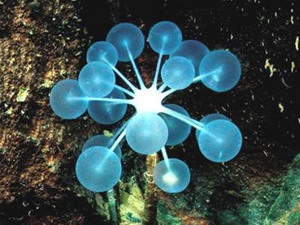
Sponges have up to 70% of genes that resemble humans, including many of the genes involved in cancer and other diseases.

Women will feel the difference between the sweat of men when they want to attract the attention of women.

In some locations, oxygen is sufficient for multicellular organisms such as sponges to live. The study was published in the October issue of Nature Geosciences.
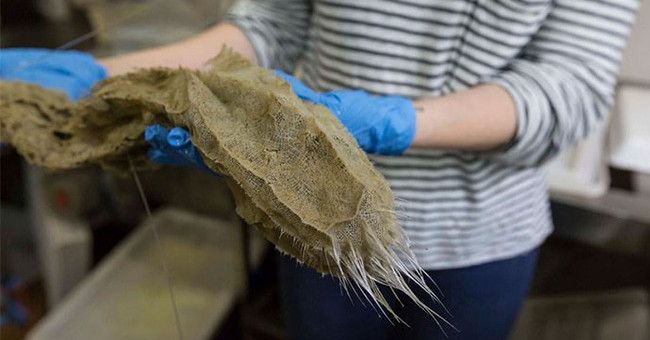
Off the east coast of Australia there is a sea basin (abyss) at depths of 4000 - 6000m, here is almost permanently dark.
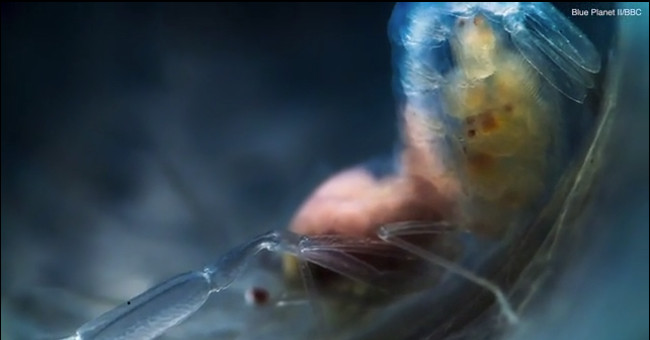
The story of a pair of permanently stuck shrimps that cannot be removed from the sponge, also known as the sea of natural material programs Blue Planet II on the BBC c…
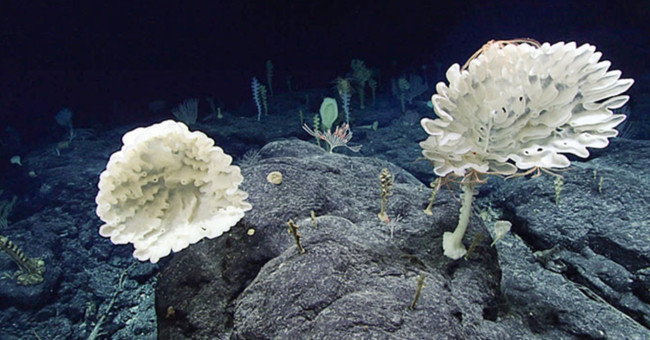
While studying a mid-ocean ridge at a depth of about 2,360m, the team found one
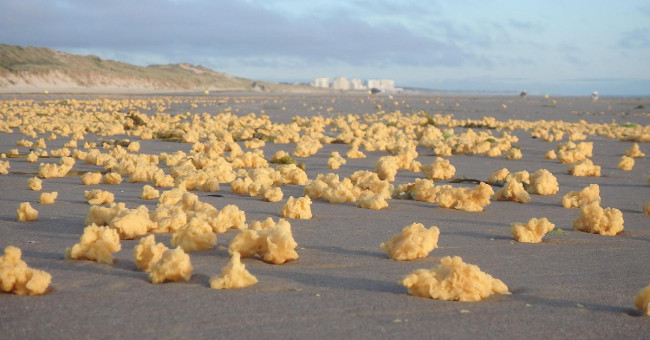
Sponge-like yellow objects appear along the 30km coastline in the Pas-de-Calais area, north of France, late last week, according to Gizmodo.
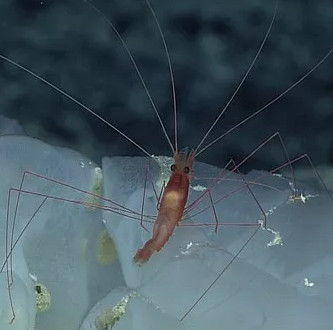
These are all creatures that have been discovered by biologists at the American Center for Oceanic and Atmospheric Research.
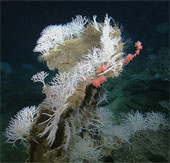
The carnivorous sponges often live and grow in the deep sea floor. For the first time, scientists discovered some carnivorous sponges about 20 years ago.