Medicine - Health
Explaining stress mechanisms leads to heart attack and stroke
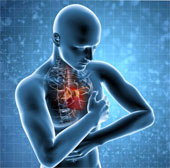
American scientists on June 22 said they have discovered how mechanisms of stress often lead to heart attack and stroke.
Browse ScienceInfo articles and explainers related to Stress.
431 published items.
American scientists on June 22 said they have discovered how mechanisms of stress often lead to heart attack and stroke.

When stressed or worried, many people often repeat some seemingly innocuous habits without knowing they are bad for their health.

Scientists claim that people can be frightened to death. This is because fearful situations can trigger heart attacks, which can take away the owner's life.

Although emotions are a form of strength and an integral part of life, they can have a significant impact on health - especially negative emotions.

Many people think that dehydration is caused by not drinking enough water or exercising too much. But in fact, there are many other potential causes that cause this prob…

Many seemingly innocuous habits such as eating sugar, having less time for friends ... are silently making us aging every day.

The heart maintains your life, so what did you do to protect your heart's health? Refer to the tips below to keep your heart healthy.

Artificial light emitted from every light source destroys sleep, but the biggest vandal is blue light emitted from computers, smartphones, TVs and iPads.

Researchers also found that unemployed men appear to be particularly susceptible to stress due to frequent collisions with friends and family.

Scientists from St Petersburg (Russia) have come up with a new method to reduce stress and boost the immune system.
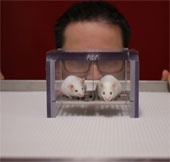
Research shows that male smells can cause fear in mice, thereby falsifying experimental results.

A refreshing smile can significantly improve your health and memory, according to a new study.

Laughing at people or even watching 20 minutes of humor on TV every day can help improve short-term memory.

When stressed, the sympathetic nervous system is activated, causing the body to cut down on saliva production, making our mouths dry and causing bad odors.
This new study only reports epigenetic changes with a single stress response gene called FKBP5, linked to depression, bipolar disorder and post-traumatic stress disorder.