
New technology
The road itself glows at night thanks to solar energy
A road in Poland recently covered with phosphorescent particles capable of absorbing sunlight in the daytime and thereby emitting light at night until 10pm.
Browse ScienceInfo articles and explainers related to Sunlight.
248 published items.
A road in Poland recently covered with phosphorescent particles capable of absorbing sunlight in the daytime and thereby emitting light at night until 10pm.

People often call plants an energy plant because it has been able to convert endless energy sources from sunlight through photosynthesis over millions of years.

US scientists have discovered ways to use sunlight to synthesize ammonia, an important ingredient in fertilizer production.
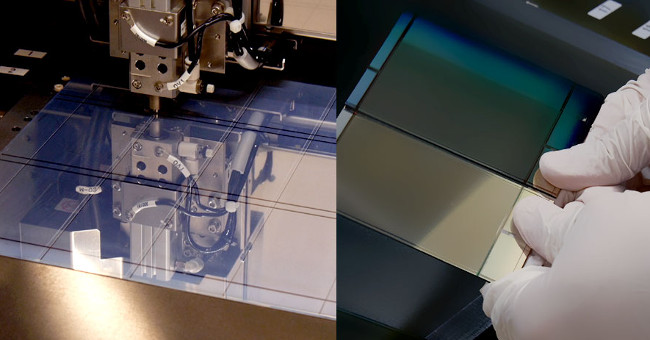
A touch screen that can be used to charge the phone is being tested.
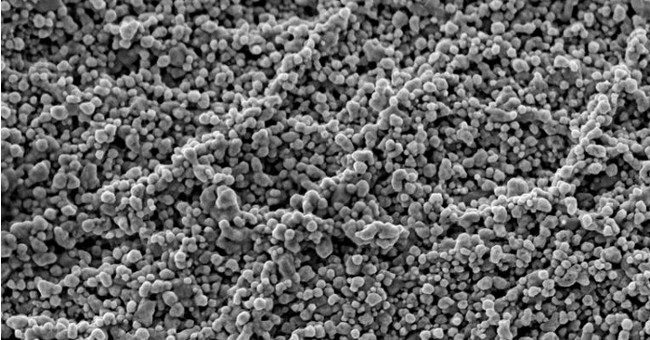
A new fabric uses light to break down organic compounds that make up the stain, being developed by researchers from the Royal Melbourne Institute of Technology (RMIT Uni…

Imagine when dirty clothes had to be replaced, or stains from coffee poured in, you just hanging out in the sun is everything clean clean.

A synthetic material that simulates the process of using sunlight to produce oxygen and hydrogen in ways similar to plant photosynthesis that has been successfully devel…
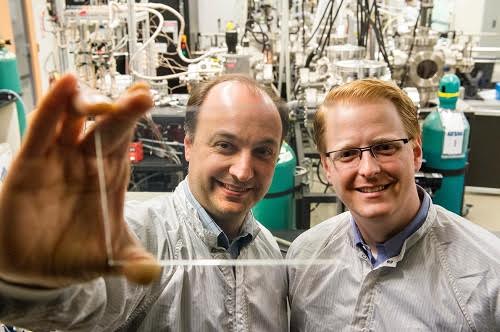
Ubiquitous Energy, based in Silicon Valley, is planning to produce a new type of transparent solar cell, covering the phone screen and windows in the future.
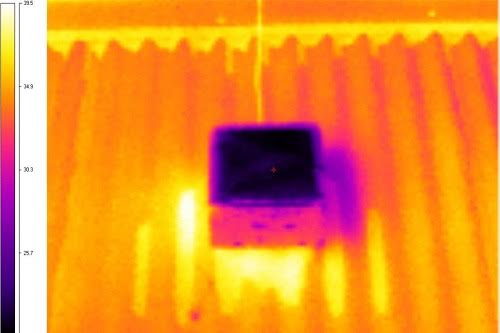
Scientists at the University of Technology in Sydney have invented a self-cooled roof material.

This artificial sunlight is so real that our brains really think we're outside, not in the basement.

Due to the inability to equip agricultural product preservation systems, products produced by farmers in developing countries are susceptible to damage - which means the…

The first line of the world could convert sunlight into official energy into operation in the Netherlands.
Scientists still study new and more effective solutions and the following 5 improvements are expected to change photovoltaic technology in the coming time.
The energy emitted from the Sun in an hour can meet the Earth's energy needs for a year, but the expropriation of this energy is a challenge, especially when it is dark.

Researchers at the SOLAR-JET project have announced that through a multi-step process, concentrated sunlight could be used to convert CO2 into kerosene (parrafine oil) a…