
Biology
Scary effects of genetically modified plants
American researchers have found that raising, growing with genetic modification technology is creating super grass and super-pesticide-resistant pests.
Browse ScienceInfo articles and explainers related to Super.
1,981 published items.
American researchers have found that raising, growing with genetic modification technology is creating super grass and super-pesticide-resistant pests.

Currently, there are several types of 'viruses' that are resistant to all antibiotics, the most common of which are intestinal gram-negative bacteria.

Fruit is a great source of food, delicious and full of essential vitamins, minerals and antioxidants, which nature bestows on us.
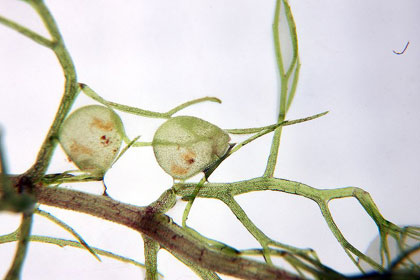
With the terrific fast shooting speed of Utricularia carnivorous plants, the ability of prey to escape is unimaginable.

Crazy ants, ants ants, ant mafia, stealth ants ... are the most strange ants in the world.
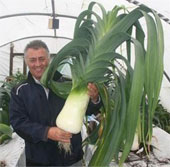
Paul Rochester, 56, who lives in Seaham, County Durham, has grown giant leek plants weighing up to 9.75kg.
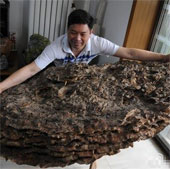
A Chinese man has recently found a giant yunzhi mushroom in a primeval forest in the Tai Hanhshan Mountains, Pingshan District, Hebei Province.
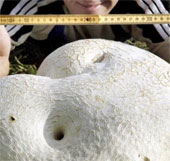
China's Chinanews reported that a Russian man accidentally discovered a giant mushroom weighing up to 10kg.
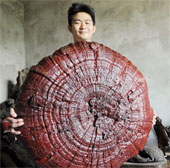
Ganoderma has a diameter of 92cm, 6 times the size of regular mushroom, attracting the attention of many people in Sichuan Province, China.

Australian scientists have successfully developed transgenic
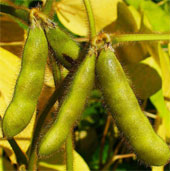
Scientists hope, high-yielding soybean varieties that adapt to the environment soon appear before 2030.
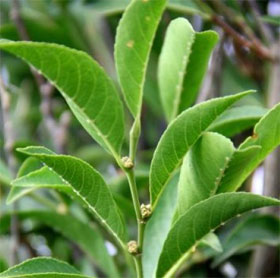
This new plant species is named Rinorea niccolifera, reflecting its nickel absorption capacity with very large volumes.

A new generation of vegetables with nutrients many times higher than today's vegetables may soon appear on your table.
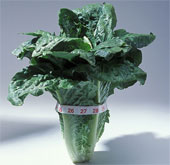
Scientists from the Department of Biology, Technion University (Israel) have successfully bred new drought-resistant varieties with the characteristics of low water cont…

Eight types of micronutrient supplements are being developed by Brazil to overcome human malnutrition, which causes serious illnesses.