
Archeology
Stunned by the discovery of a sea monster fossil with a neck up to 3 meters long.
Researchers have discovered an ancient reptile with a neck three times longer than its body and sharp teeth that helped it ambush prey.
Browse ScienceInfo articles and explainers related to Teeth.
676 published items.
Researchers have discovered an ancient reptile with a neck three times longer than its body and sharp teeth that helped it ambush prey.
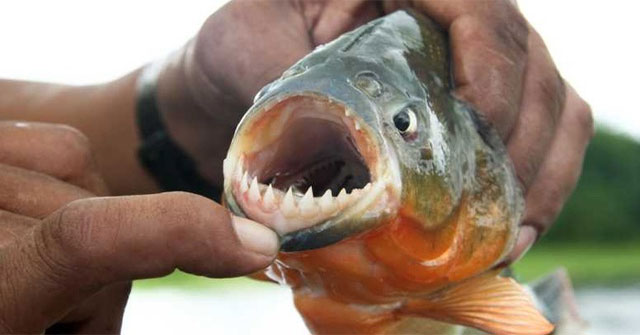
Appearing in many Hollywood horror movies, piranhas are portrayed as bloodthirsty, aggressive, and capable of terrifying destruction.

For many people, coffee is an indispensable drink every day. But drinking too much coffee puts you at risk of trading your bright white teeth due to its ability to cause…

Wolffish have the appearance and face of animals from horror movies, but what few people expect is that they are extremely friendly to humans.

Surely all of us have heard the name panda at least once - a lovely animal considered as a

Fluoride has a controversial history. So what is fluoride and should we be worried about the potential risks?
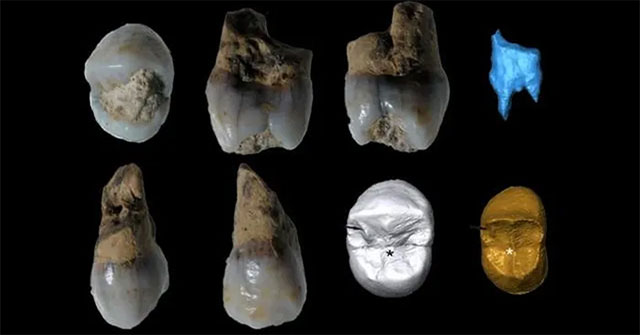
The remains of an adult, a teenager and a child not of our species have been uncovered in a cave in Serinyà Park.

Occasional teeth grinding while sleeping is harmless, but excessive and prolonged teeth grinding can lead to a number of health problems.
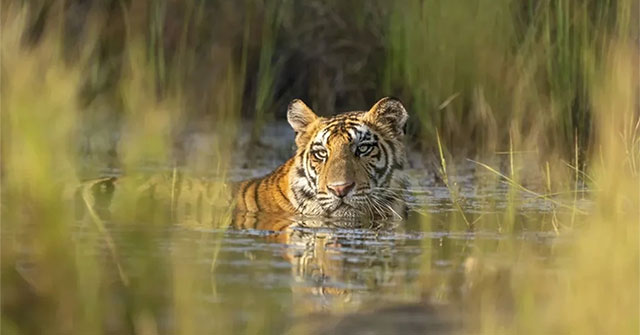
Today, it is estimated that there are only about 4,500 tigers left in Asia and some parts of the Middle East. With their distinctive fur and sharp teeth, they are adept…

Scientists have recently discovered terrifying, ghostly creatures living in the deep sea in Australia, where environmental conditions are harsh.

Bush dog, Serval dog, bush dog or maned dog is an animal that lives in Central and South America.

On May 2, Toregem Biopharma startup company in Kyoto (Japan) announced that in September it will begin testing a teething treatment drug.
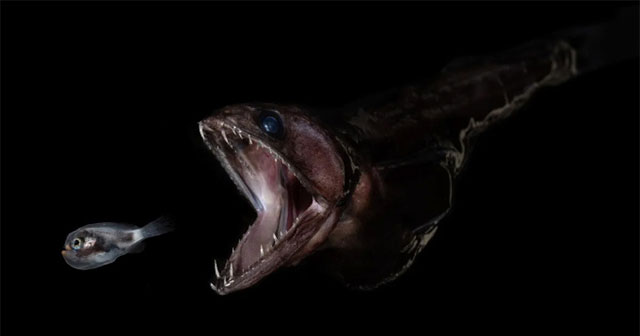
Black swallower fish live at depths of 700 - 3,000 m in the sea with a wide mouth, large abdomen and teeth like barbed traps that prevent prey from escaping.
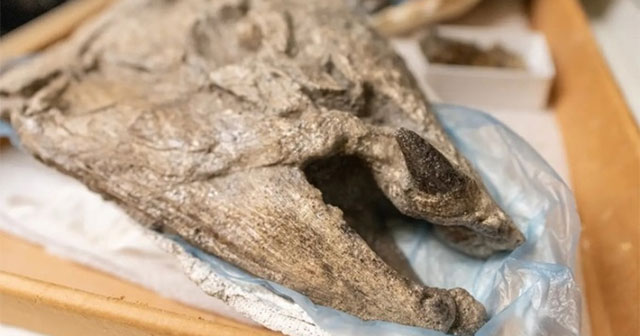
The largest salmon species ever discovered, Oncorhynchus rastrosus, can use its tusk-like teeth to compete with rivals, defend itself from predators, and dig nests.

Today's great white sharks are still much less dangerous than their newly unearthed ancestral sea monster.