
Photo library
Photo universe impressive week
Geminid meteor streaks plunge into the desert, stars glowing blue. The universe in the past week shone through the image of National Geographic.
Browse ScienceInfo articles and explainers related to Telescope.
1,099 published items.
Geminid meteor streaks plunge into the desert, stars glowing blue. The universe in the past week shone through the image of National Geographic.
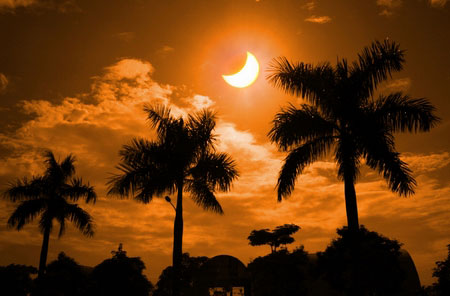
This morning (July 22), people in many Asian countries rushed to see the longest total solar eclipse of the 21st century

The Hubble telescope was launched into space in April 1990 and sent back to Earth amazing images taken in the universe. Here are the best pictures.

Amazing photos of the galaxy through the lens of an American amateur astronomer.
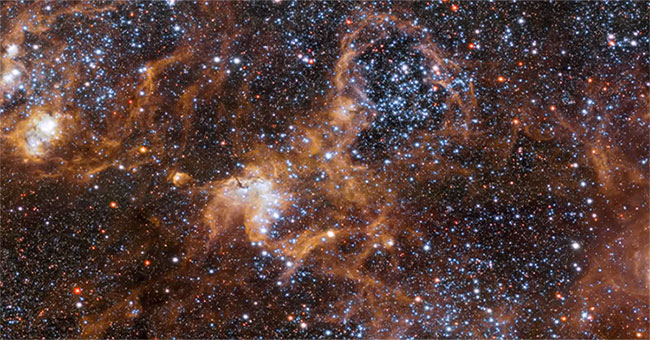
Scientists use telescope images in Chile to reconstruct a trip to discover the Tarantula nebula, where many new stars form.
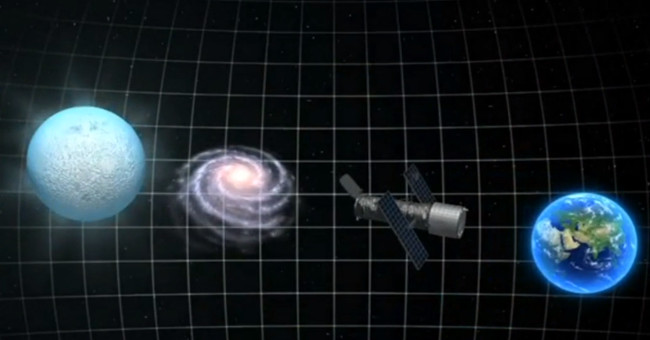
Icarus stars are about nine billion light-years across Earth, discovered by the Hubble telescope with a gravitational lens effect.
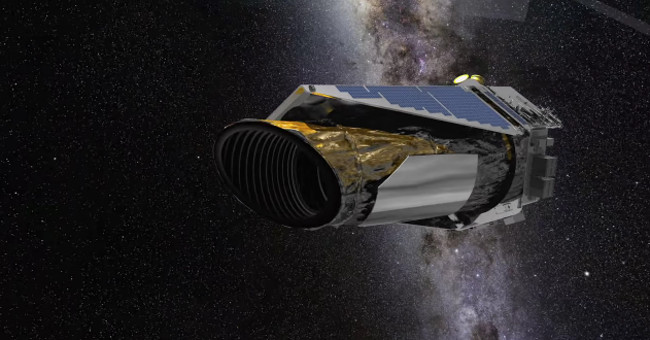
Kepler, the space telescope helps NASA detect 2,245 extrasolar planets, which can only be operated for a few more months due to near-exhaust.
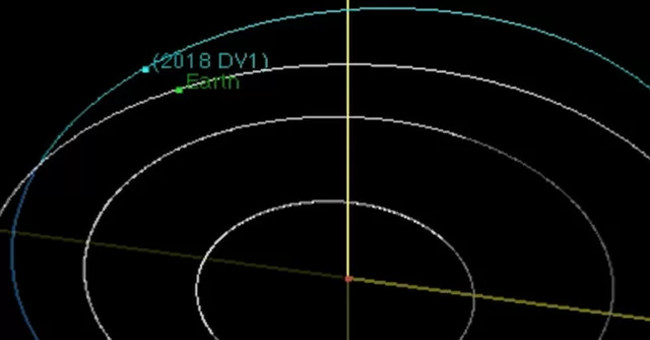
The 7m-wide asteroid named 2018 DV1 will cross about 113,000km from Earth on March 2, Space reported.
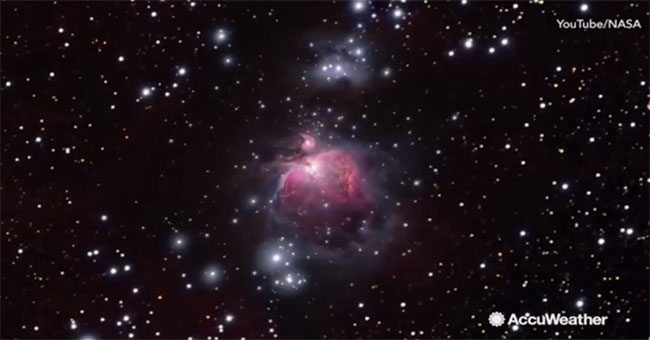
NASA combines images from Spitzer and Hubble space telescopes to discover the Orion nebula about 1,500 light-years from Earth.
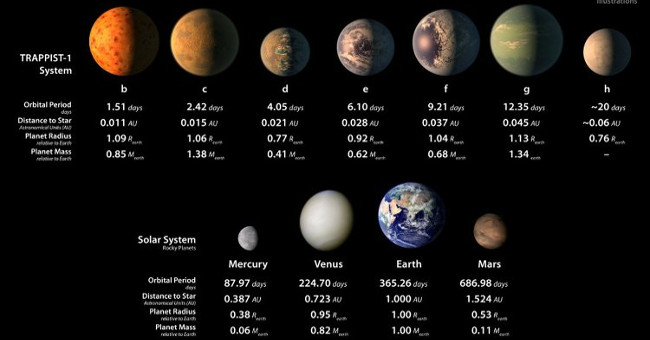
As we know, at 1am on February 23, 2017 (ie 13h on February 22, 2017), NASA had a press conference to announce exoplanets - planets outside the solar system.
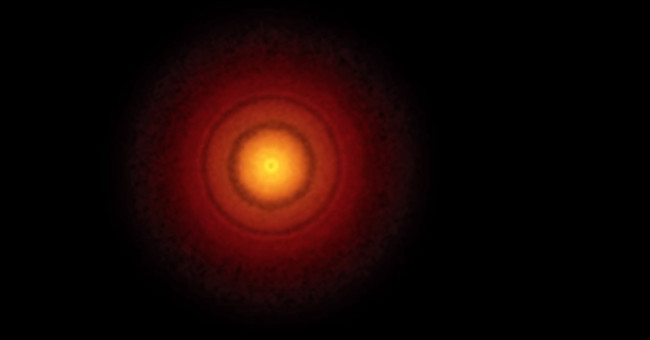
An Earth-like orbiting planet is forming in the dust cloud around the star TW Hydrae, 175 light-years away.
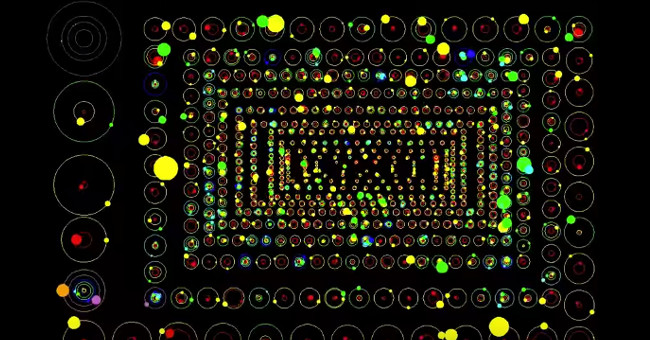
With the help of the Kepler space telescope, scientists at NASA discovered more than 1700 planets outside the solar system.
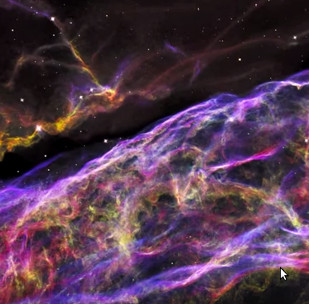
The Hubble Space Telescope of the US Aeronautics Agency (NASA) photographed the debris of a giant star that exploded 8,000 years ago.
The Hubble Space Telescope has captured the beautiful image of a vein, celebrating the 23rd birthday of this particular glass.
The US space telescope detected a rotating neutron star at a speed greater than the helicopter propeller between a cloud of fuzzy gas like a ghost.