
Space science
Pole Star
The North Star is the name for the star located near the north pole, most suitable for maritime trades in the northern hemisphere. To get this name, a star must be visib…
Browse ScienceInfo articles and explainers related to Trade.
187 published items.
The North Star is the name for the star located near the north pole, most suitable for maritime trades in the northern hemisphere. To get this name, a star must be visib…
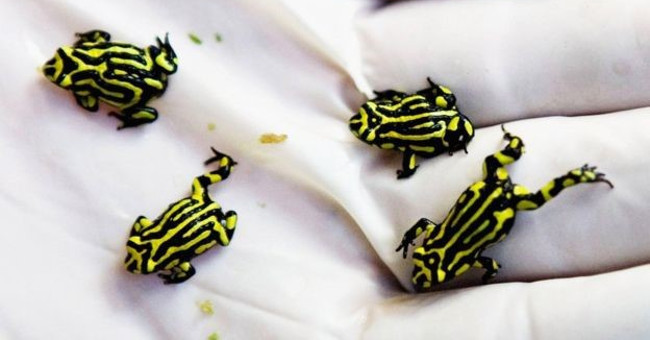
A study in Science supported the idea that the pet trade helped spread the killer lines of chytrid mushrooms around the world.
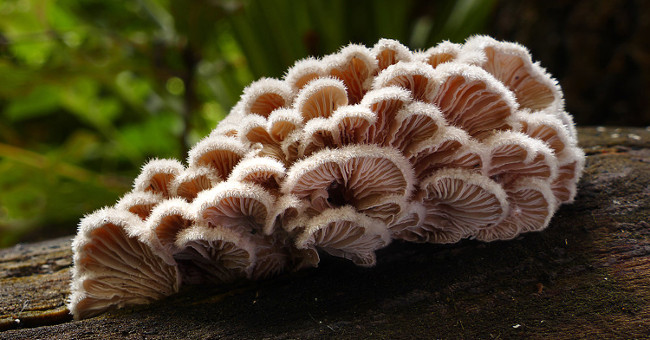
Basically, mushrooms can trade any genetic material, so the concept of gender is unnecessary, Kathie Hodge, a professor at Cornell University explained.

A Chinese farmer discovered the Ganoderma tree estimated 1,000 years old in the national primitive forest in Shandong Province.
In order to ensure sufficient raw materials for sustainable incense production villages, Nghe An Department of Science and Technology in collaboration with Quy Chau dist…
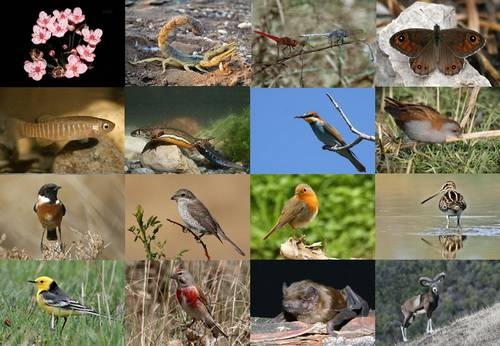
Like many countries in the world, Vietnam is facing serious degradation of biodiversity rich ecosystems.
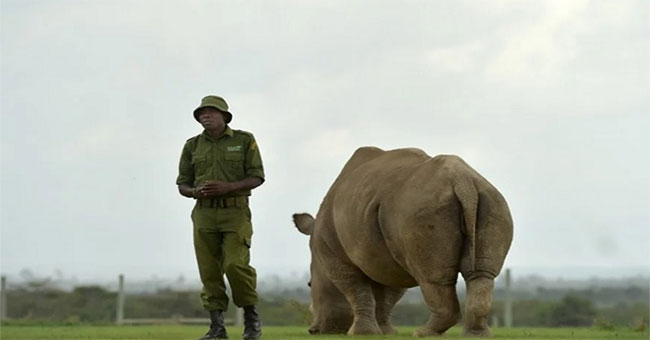
According to the South China Morning Post (SCMP), James Mwenda, a conservation officer in Kenya, came to Hong Kong this week to send a message about a friend's death.
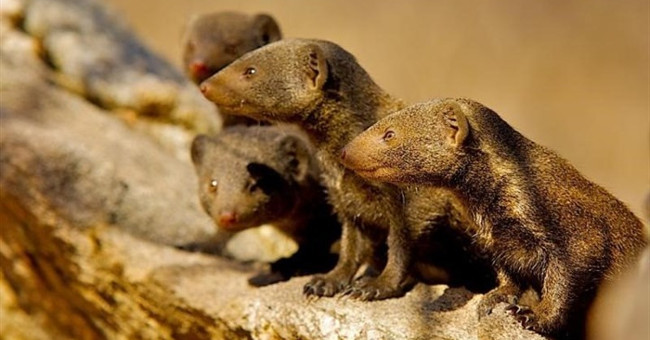
For a long time, many people believed that trading and exchanging activities only appeared in human society. But it turns out, wild animals do the same.
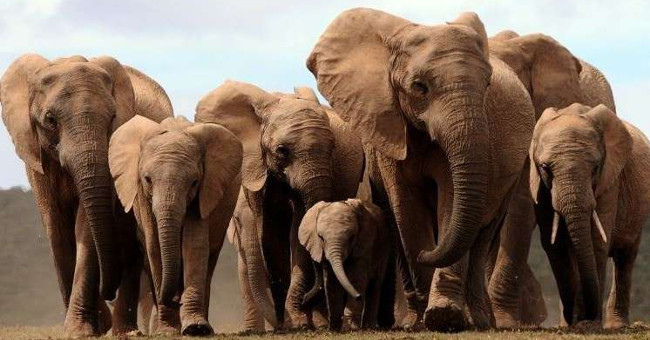
New research by scientists shows that more and more African elephants are not ivory to avoid being shot by poachers.
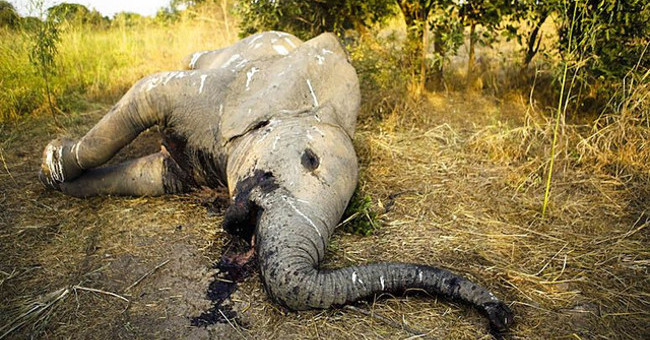
The time has come for humanity to awaken and take action for a better future, aiming to protect the integrity of the ecosystem worldwide.
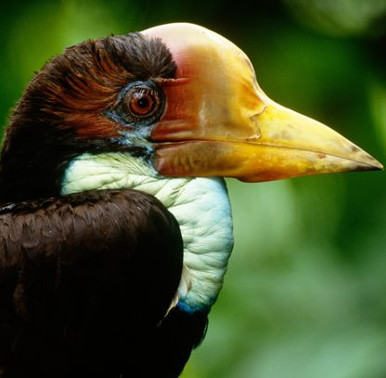
A species of bird that lives in East Asia's rainforests is in danger of extinction by a horn that is three times more valuable than ivory.
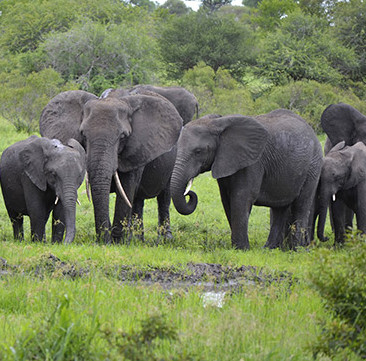
Elephant poaching in Zimbabwe continued to increase as park rangers at a national park discovered 26 more elephants dying of cyanide poisoning.
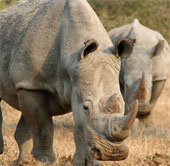
South African conservationists warn, if the rhino massacre is not prevented in time, in just six years, this rare animal in the world will become extinct.
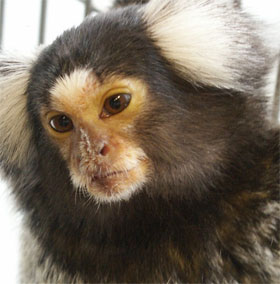
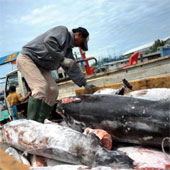
Indonesia and India are the two largest shark catching countries in the world, according to a survey by a wildlife trade control organization.