Science invention
Wind turbine series
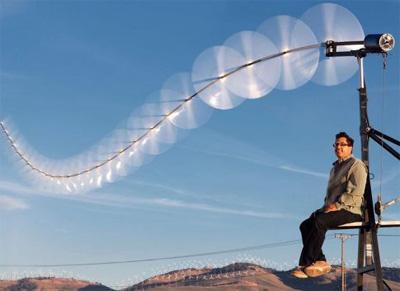
An American expert devised a way to use a series of small rotors to collect wind into electricity, with much less investment than traditional ways.
Browse ScienceInfo articles and explainers related to Turbine.
117 published items.
An American expert devised a way to use a series of small rotors to collect wind into electricity, with much less investment than traditional ways.
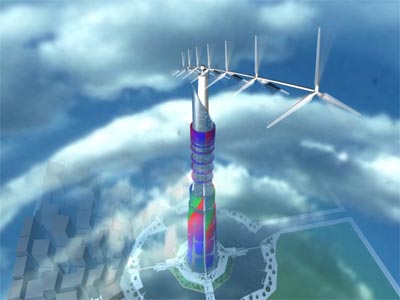
The idea of this huge offshore turbine is designed simply because it eliminates all components that are not directly generating electricity, resulting in a low-cost wi…
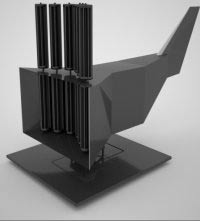
A wind-powered device can provide endless water by gathering water from the air, an Australian inventor declared. Dr. Max Whisson, a retired medical expert, said he desi…
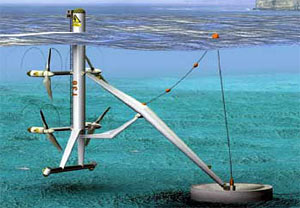
Underwater generators operating similar to wind turbines will likely be built and operated by 2010, before supplying electricity to the UK with the potential equivalent…
All scientific inventions often start with some ideas, those ideas are often incomplete but deeply conceal many of the essence of the invention. The following is a summa…
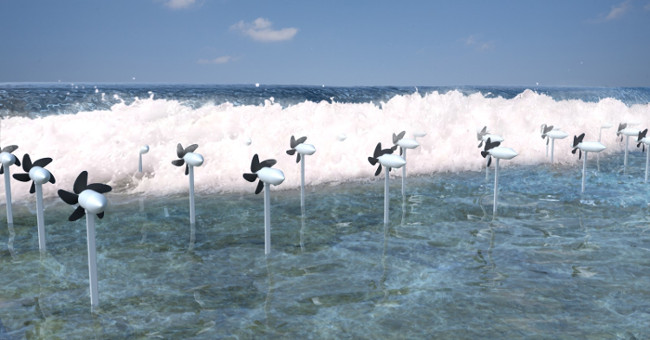
Scientists at Okinawa University of Science and Technology (OIST), Japan, successfully exploited the energy of the ocean currents, according to UPI.

The 500-meter SUMR50 wind turbine can power 50,000 households after just one spin of the rotor.

The United Kingdom has just launched the world's largest wind turbine located off the coast of Liverpool Bay.
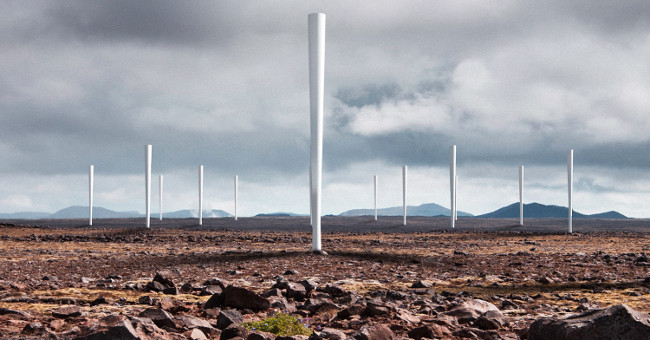
Vortex (Spain) has built a wind turbine to generate electricity in a completely new way. This promises to be a source of clean electricity in the future.
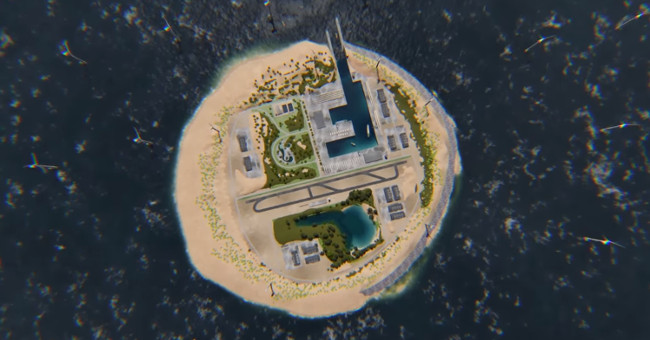
The island is equipped with solar panels and wind turbines that can power tens of millions of people in six European countries.
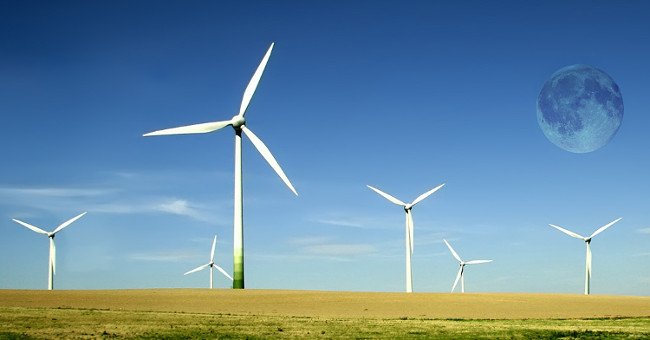
A study by Iowa State University scientists showed that wind turbines commonly used in the state's clean energy supply system have a positive side effect on crops.
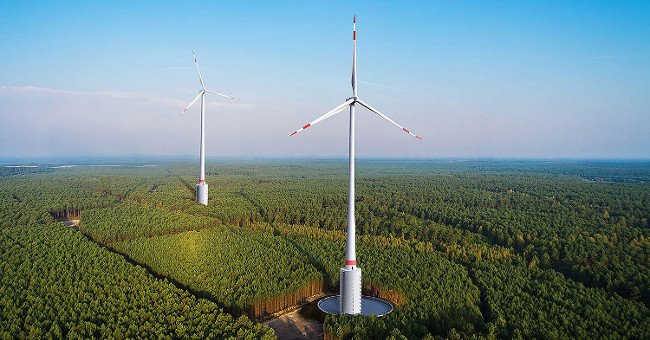
Recently, the International Energy Association (IEA) announced the global renewable energy source for the first time over coal energy, in which wind energy accounts for…
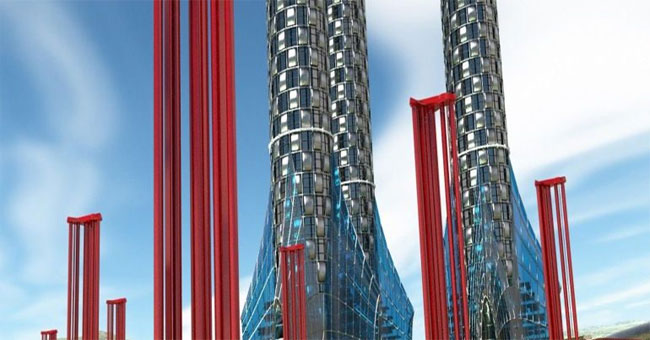
A Japanese engineer who invented the world's first storm turbine could supply clean energy to the entire country for half a century.
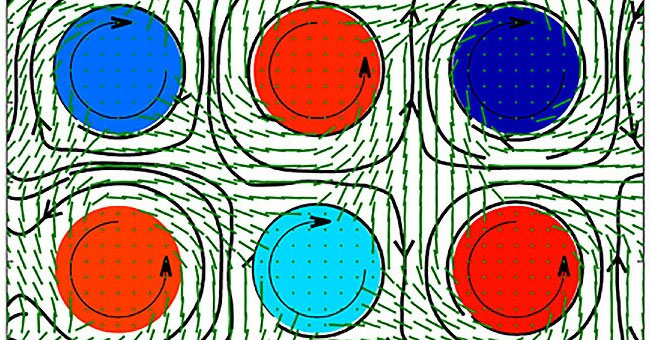
Imagine that someday in the future, liquid tanks filled with bacteria that will be alive will become small-scale energy sources.

Future cyclones can help produce up to 200 megawatts of electricity, meeting the needs of thousands of families.