Archeology
Find the oldest human brain
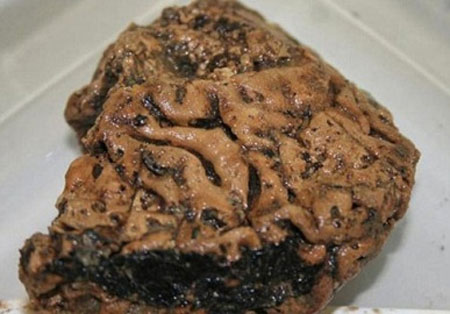
Archaeologists from York University, England, have found a fairly intact brain in Yorkshire, a county in northeastern England, dating back 2,500 years.
Browse ScienceInfo articles and explainers related to University.
4,907 published items.
Archaeologists from York University, England, have found a fairly intact brain in Yorkshire, a county in northeastern England, dating back 2,500 years.

Thirteen clay tablets containing the cuneiform characters of ancient Mesopotamia, dating back to 1900-1700 BC, are on display at the Research Institute ...
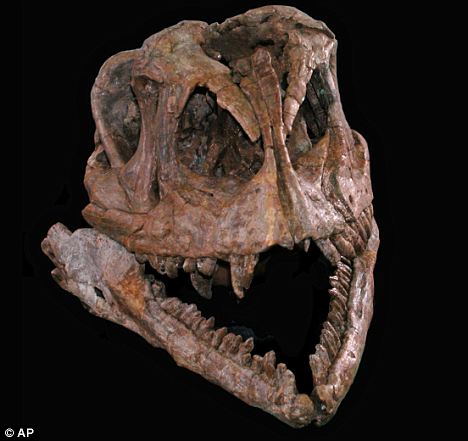
Scientists at Texas Tech University have discovered a complete fossil of a dinosaur believed to be the ancestor of the largest herbivorous dinosaur on Earth.

Scientists have discovered living bacteria fossils about 1.2 billion years ago in the lava block in the Scottish highlands.
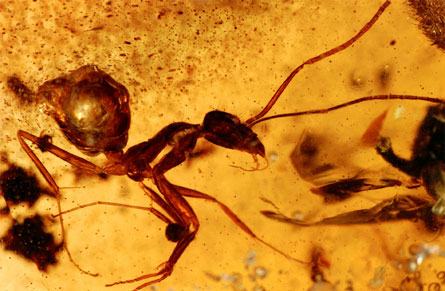
Among the newly discovered fossils in western India there is a fossil ant located in amber 52 million years ago.
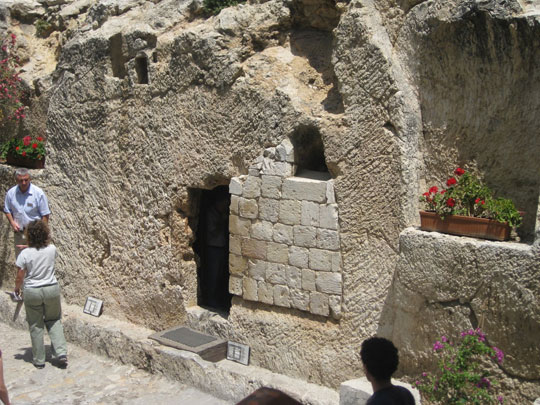
Researchers have discovered a very special garden dating back to the 7th century BC in the city of Jerusalem, Israel.
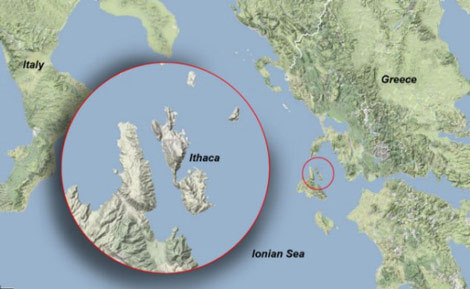
Archaeologists from the University of Ioannina have said they have found the site of the palace of Odysseus. This proves that Odysseus is by no means a legend but a real…
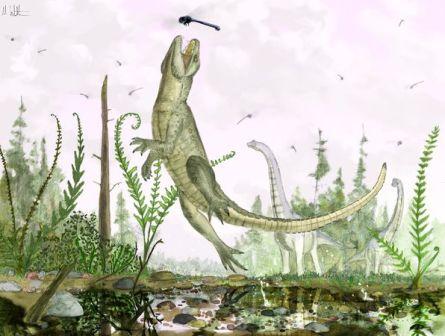
The fossil of a tiny crocodile has the same teeth as the newly discovered cat.

Paleontologists at the University of Pennsylvania have discovered a new herbivorous dinosaur based on a skeleton discovered in western New Mexico state (USA).

According to research by Bristol University, prehistoric people were responsible for the massacres of massive kangaroo and giant koalas.

Recently a group of Mexican scientists have found many fossil footprints of three duckbill dinosaurs dating back more than 70 million years in the northeastern part of S…

Expert Gershon Galil of Haifa University successfully deciphered the 3,000-year-old manuscript discovered 18 months ago.
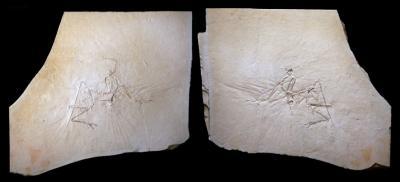
The raptors are considered to be the first primitive species, but the study reveals that this species is not a bird-like shape as scientists expect.
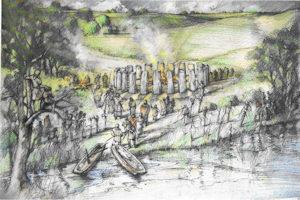
Archaeologists have just released an artist's impression of what a second stone circle built 1 mile from Stonehenge will look like.
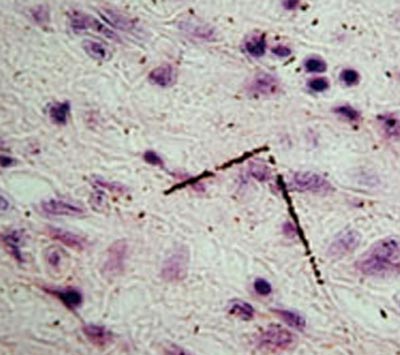
Radioactivity is still escaping from the cells of those killed by atomic bombs in Nagasaki City, after 64 years since the disaster.