
New technology
New technology helps blind people see
Scientists have found a way to deliver images directly from the camera to the brains of the blind.
Browse ScienceInfo articles and explainers related to Visual.
237 published items.
Scientists have found a way to deliver images directly from the camera to the brains of the blind.
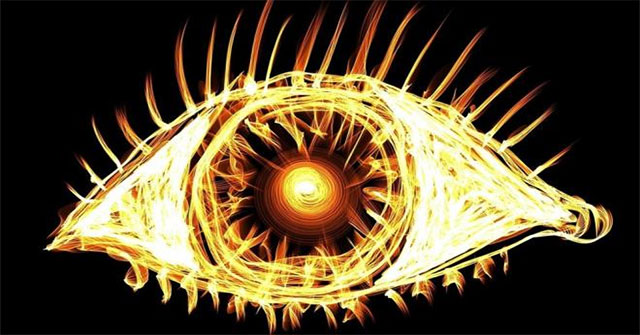
Researchers in Texas have taken a big step in restoring vision for blind people by transferring information directly to the brain via electrodes.
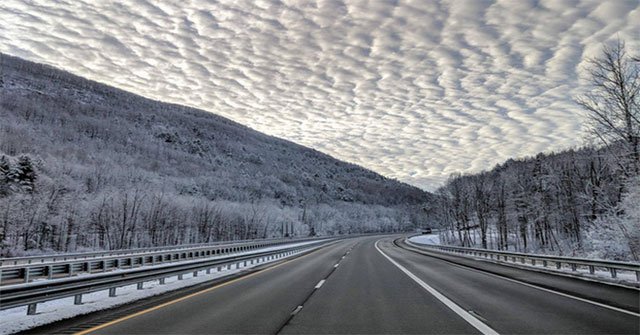
The photos below have made many people believe that they have been edited.
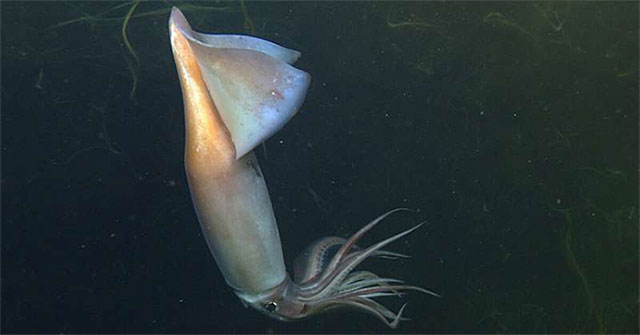
Biologists published evidence that Humboldt squid can communicate visually in the dark sea thanks to its ability to glow.

Polluted air, which contains a lot of toxins, substances when acting on the body will cause dangerous diseases from the skin to incurable diseases especially for childre…

Although technology has made great progress, there are many things that scientists still have to do manually: visual observation and manual counting, such as counting st…
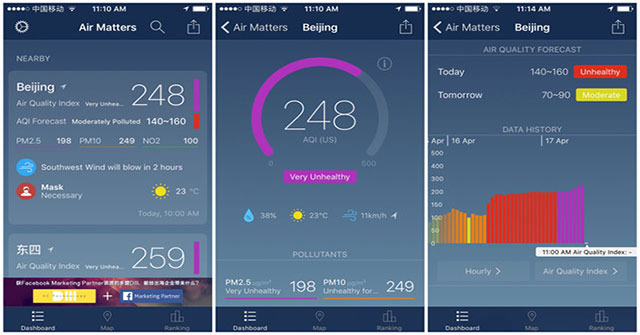
In addition to AirVisual, many other applications can also display air pollution indicators in many new and innovative sources and ways.

Air quality directly affects the quality of life for each of us, so this is an element that needs to be checked and reviewed regularly.
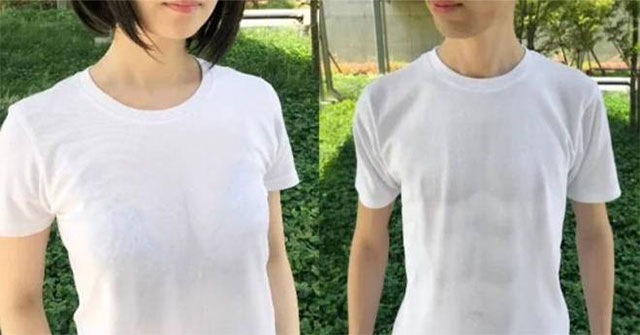
This type of T-shirt deserves a spectacular trick, making everyone look and believe that the wearer possesses a toned and seductive body.
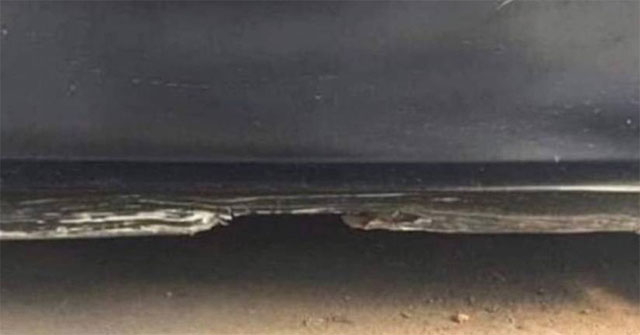
Do you belong to a group of people who look out for reality or who only see illusions and still can't find the content behind this photo?
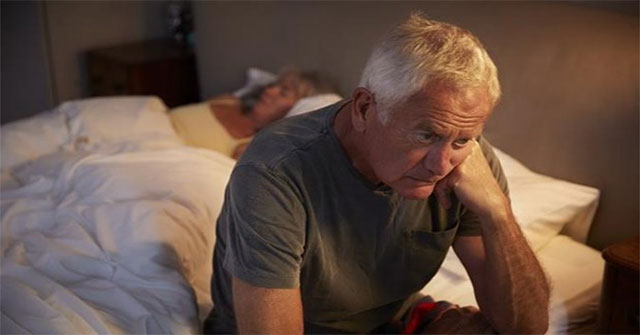
A recent study by British scientists found that sleeping less than 7 hours or more than 9 hours a day could affect people's cognitive processes such as visual memory, re…
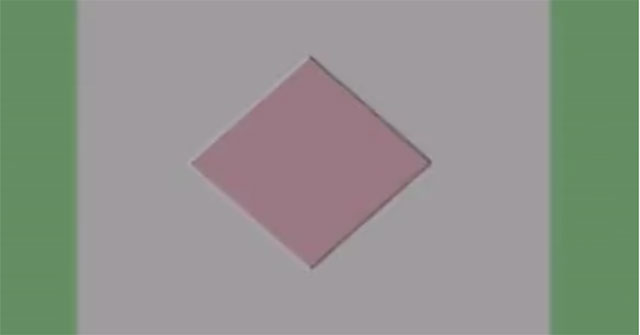
Because it's actually a visual illusion, making your eyes see things that aren't real.
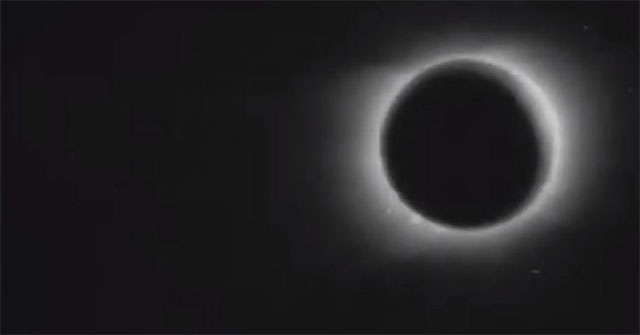
Eclipse is an astronomical phenomenon known to thousands of years ago, giving it enough bizarre stories, signs of disasters, disasters ...
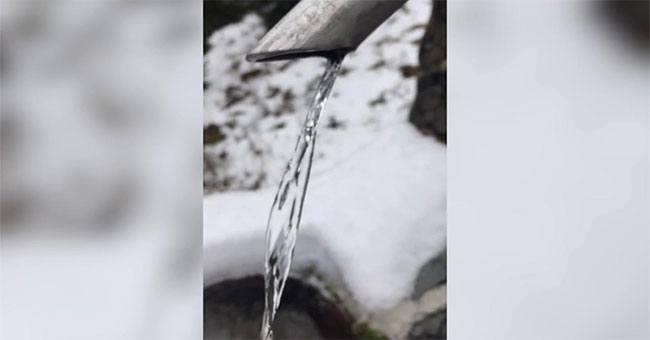
Dario Bonzi, an Italian who recorded a new optical illusion that surprised many viewers.

This projection, while keeping the right direction, but distorts the true size of some objects, especially those that are far away from the equator.