Space science
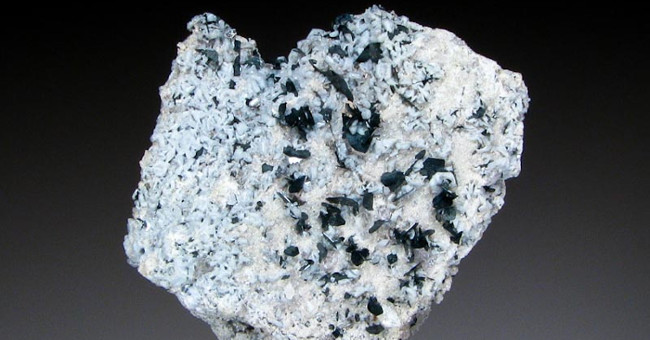
Discover minerals on Mars
NASA's Mars Exploration Robot has discovered a new mineral that completely changes what humans have known about the Red Planet.
Browse ScienceInfo articles and explainers related to Volcanic.
625 published items.
NASA's Mars Exploration Robot has discovered a new mineral that completely changes what humans have known about the Red Planet.
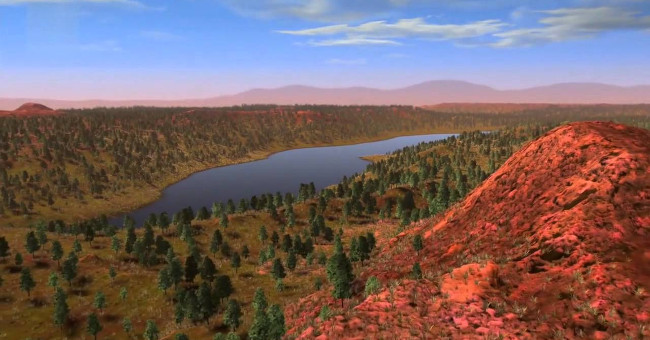
Scientists think humans can warm up Mars in many ways, making the red planet the second Earth, a place conducive to life.
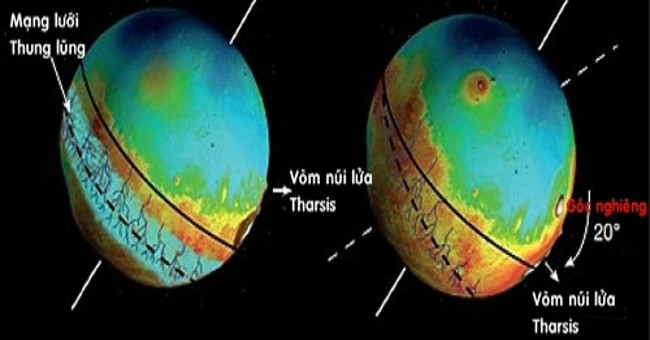
The mountain half of the giant Tharsis on Mars is the author that makes the red planet's surface rotate with a billion tons of lava.

Tambora, Krakatoa, Yellowstone ... are very prominent names among the 11 most intense volcanic eruptions in this history.
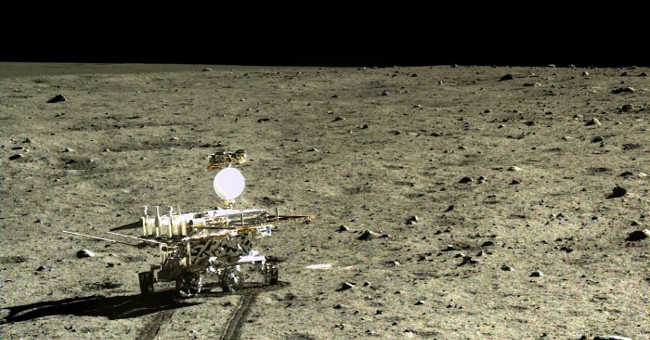
China's Jade Rabbit self-discovery device discovered a new basalt while searching for minerals on the Moon's surface.
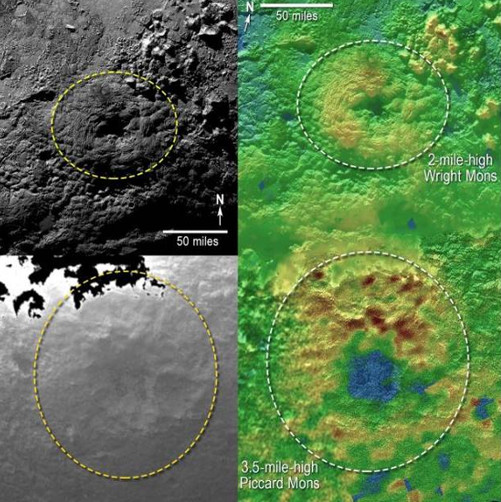
NASA research shows that Pluto may exist giant volcanoes that can spray ice instead of lava as usual.
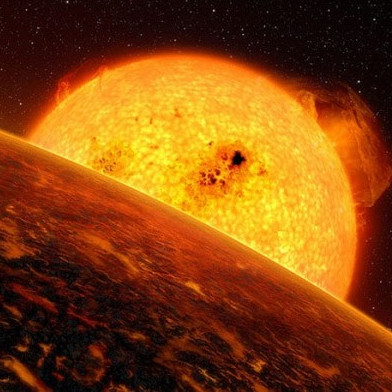
CoRoT-7b, an extrasolar planet, is a world covered by lava ocean, has a scarred surface due to the intense eruption of volcanoes and the atmosphere formed from evaporate…
The moon is a quiet and barren satellite of the earth. But long ago, there were volcanoes on the Moon.

The Gemini Observatory in America discovered volcanoes erupting on a satellite of Jupiter and this may be the most prominent volcanic eruption in Solar System.

The images recorded from NASA's Mars probe spacecraft show a heart-shaped structure on the volcano of the red planet.
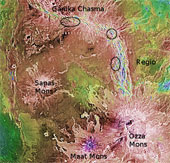
A group of international astronomers led by Russian scientists discovered four
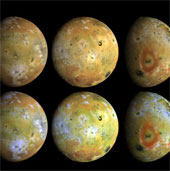
Our planet 4 billion years ago is very likely to be like the moon Io is always busy with Jupiter's volcanic activity.
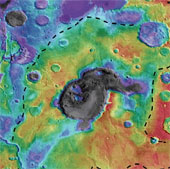
Scientists discovered super-volcanoes on Mars with the power to bury the planet in dust and rock.
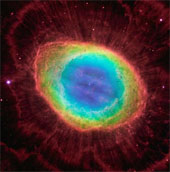
Volcanic dust rising into the sky, nebula shaped like giant blue eyes, clouds playing moon above the castle are astronomical scenes in the week.
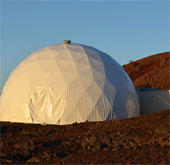
NASA has just conducted an experiment to understand and prepare astronauts' lives when they land on Mars in nearly 20 years.