'Virtual archeology' connects fragments of ancient civilization
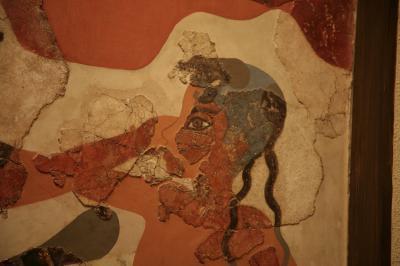
For decades, Greek archaeologists have always tried to reproduce the picture that holds important clues about ancient Thera culture buried under volcanic ash for more than 3,500 years.
Follow archaeological evidence into the ancient world, from artifacts and tombs to cities, monuments and long-lost civilizations.
Begin with clear explanations of the key ideas, discoveries and questions in this subject.
For decades, Greek archaeologists have always tried to reproduce the picture that holds important clues about ancient Thera culture buried under volcanic ash for more than 3,500 years.
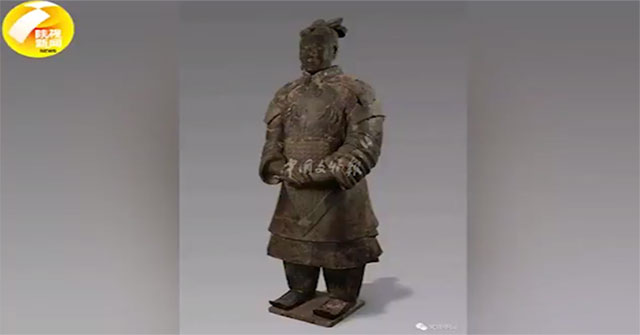
A cracked terracotta warrior in Shaanxi has revealed the truth.
Archaeological results show that many parasites suck blood on mummy bodies of these ancient Egyptian dogs.
The Egyptian Archeology Department discovered five Roman tombs in excavations carried out in the Beir Al-Shaghala area at Dakhla Oasis in the western…
The Indus Valley civilization is one of the oldest civilizations in human history, and its origin and decline still remain countless mysteries.
Archaeologists have found a solution to the scraps of animal bones, coal, pottery and other architectural materials like bricks that appear along the…
Read recent ScienceInfo stories and explainers about Archaeology & Ancient Civilizations.
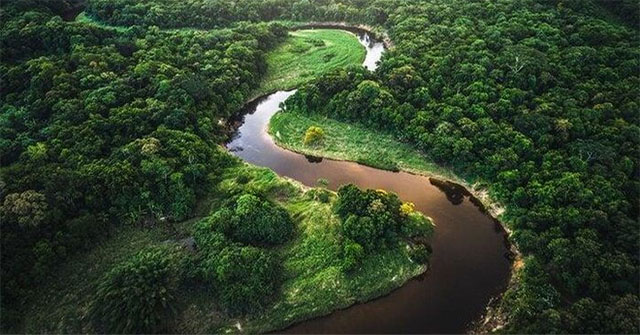
Recent discoveries have revealed that the Amazon rainforest is not only a rich biological environment but also home to many incredible, lost civilizations.
Archaeologists in Germany have discovered the 1,700-year-old grave of a Barbarian, also known as
With this special arrangement, the terracotta army in the tomb of Emperor Qin Shi Huang can take on different tasks when fighting.
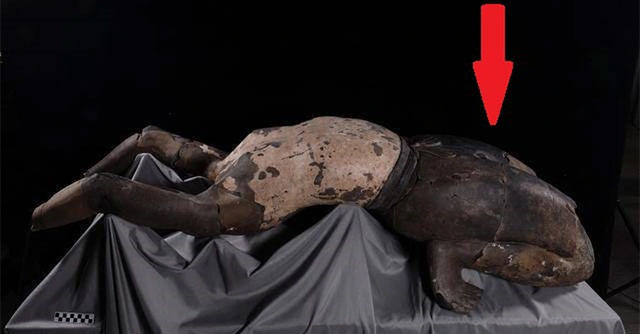
The strangely posed terracotta statue in the tomb of Emperor Qin Shi Huang has left archaeologists amazed.
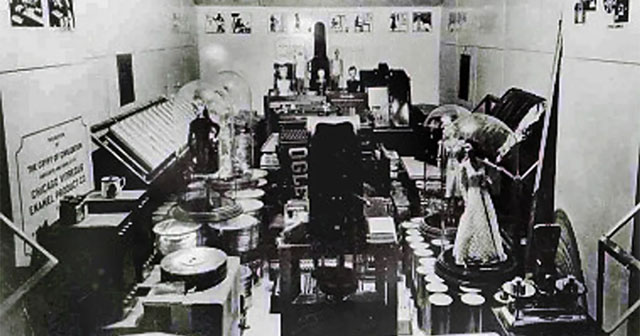
In 1940, American researchers created a vault to store human artifacts, waiting to be opened and studied in the year 8113.
Chinese archaeologists have announced the discovery of a large collection of artifacts at a World Heritage site famous for its Taoist temples.
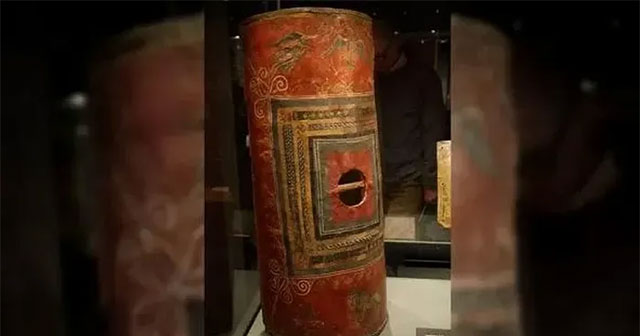
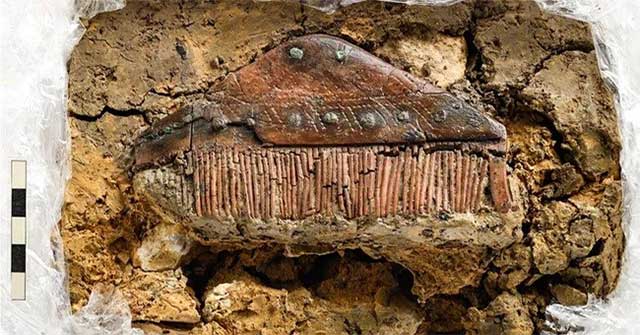
A shield made of wood and leather dating to around 250 AD is one of the few complete Roman artifacts ever found.
Continue with more articles, discoveries and explanations from this subject.
Chinese archaeologists found 220 more terracotta warriors during the excavation of the tomb of the first Emperor of the Qin Dynasty.
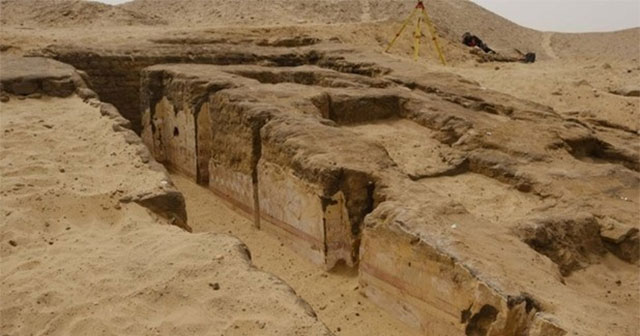
A group of experts from the German Archaeological Institute in Cairo recently announced the discovery of an ancient mastaba-type tomb in the Old Kingdom period (Egypt).
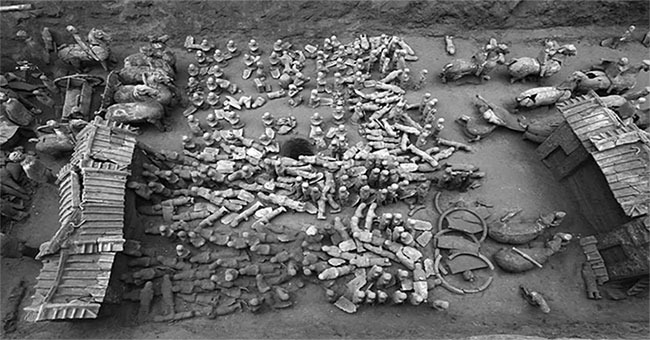
Archaeologists found tiny terracotta troops in the grave in an ancient crater in China, consisting of carefully arranged chariots and statues of cavalry, infantry, music…
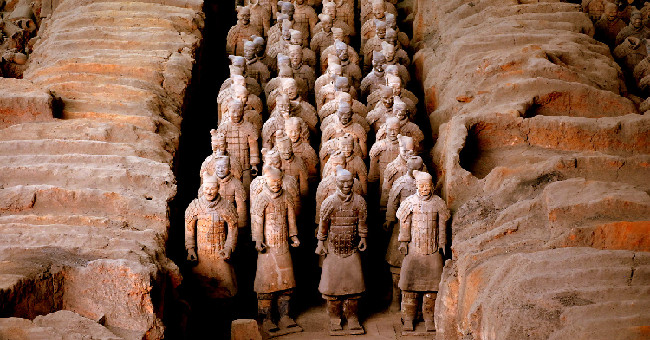
More than 8,000 real-life terracotta warriors were discovered in the tomb of Emperor Qin Shihuang in Xi'an, China, in 1974.
These terracotta statues are proven to follow the prototype of a real army, not a mass product.
The terracotta army holding the tomb of Qin Shihuang is equipped with weapons capable of defeating the enemy with a single arrow.
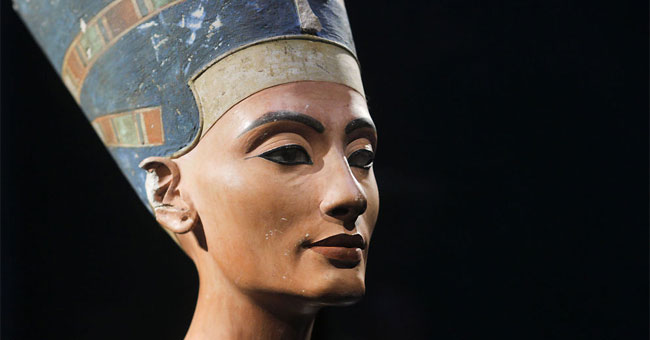
So far, the life and resting place of the Egyptian queen Nefertiti is still in secret, urging archaeologists to explore.
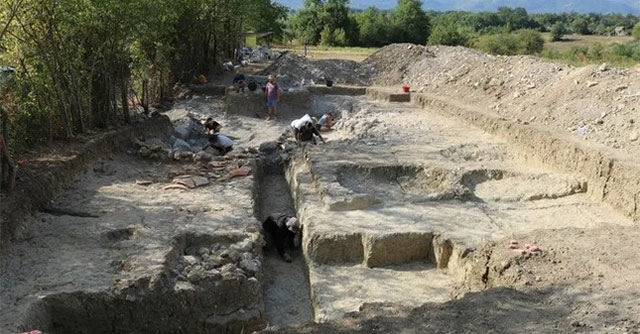
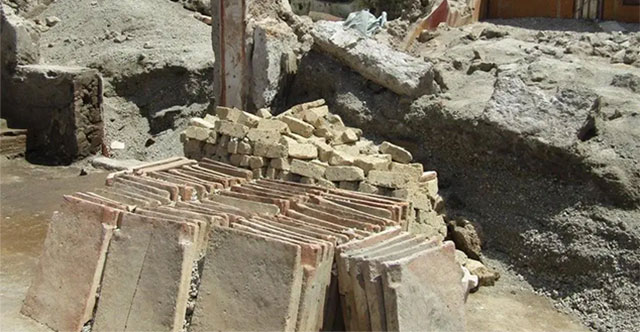
The ruins at Fregellae, about 90 km southeast of Rome, date from the siege and destruction of the city by Roman troops in 125 BC.
Scientists have announced the discovery of an ancient city in the northern capital of Rome (Italy) by ground-sweeping radar (GPR).
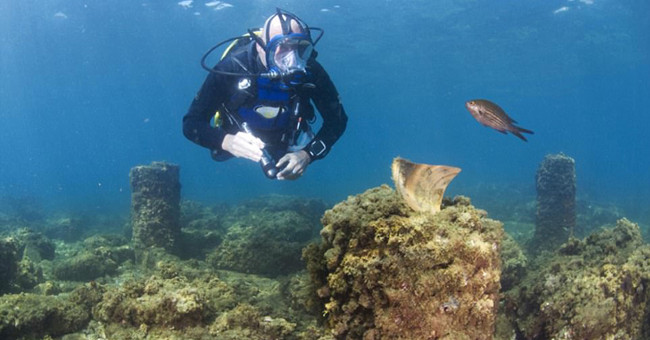
Baiae city is located in the ocean once used to be a place for the wealthy Roman era with many luxurious works.
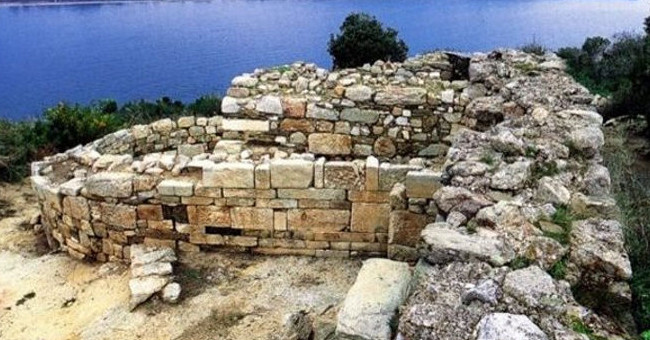
Greek archaeologists found the tomb of the great philosopher Aristotle in the ancient city of Stagira in central Macedonia after 20 years of excavation.