Sunflower seed hulls are a by-product of the process of hulling and removing sunflower seeds before they are used for oil extraction or other purposes. Sunflower seed hulls are often used as a fuel source or as fertilizer or roughage for poultry and ruminants such as cattle and sheep.
In daily life in Vietnam, sunflower seeds are a favorite of many people because of their fragrant and rich taste. A common image is street stalls, clinging to the sidewalk, just needing a glass of iced tea or lemon tea with a plate of sunflower seeds for a group of friends to sit and chat happily.

Just a cup of tea and a plate of sunflower seeds is enough to chat for hours.
However, sunflower seed hulls can bring more benefits than that . Understanding this key, Golden Compound - a German startup has created a bioplastic made from sunflower seed hull compound. This plastic is the result of combining sunflower seed hulls with traditional polymers.
Sunflower seed hull plastic is called S²PC and is 100% recyclable. S²PC bioplastic is used to make everything from food packaging and containers to office furniture.
Green plastic with many outstanding advantages
In an interview with PlasticsToday, Marcel Dartée, General Manager of Golden Compound, said: 'Sunflower seed hulls are a perfect choice. Sunflower seed hulls are available in large quantities; they are a by-product that does not compete with other food supplies. Furthermore, sunflower seed hulls are much more sustainable than other natural fibers. Plastic products made from sunflower seed hulls are environmentally friendly.'

Sunflower seed hulls, what we consider waste, are now being turned into an environmentally friendly plastic. (Photo: PlasticsToday)
When affected by microorganisms, environmentally friendly plastic made from sunflower seed shells will completely decompose into CO 2 , H 2 O, humus. This has created many positive effects on the environment. In particular, if buried (composted), when decomposing, they will produce 70% less greenhouse gases.
S²PC plastic uses less petroleum than most plastic products, reducing the industry's dependence on this fuel by 30% to 70% depending on the application.
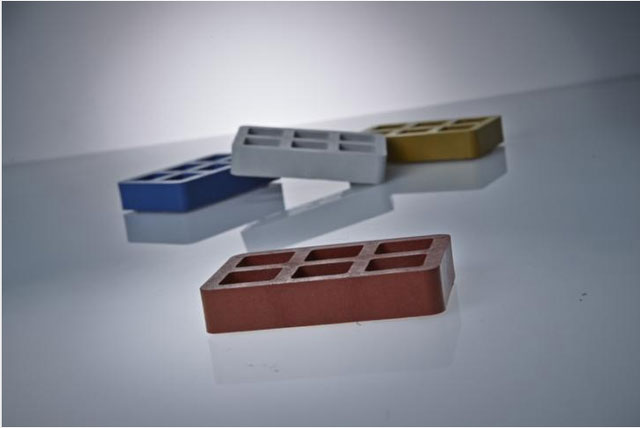
Plastic made from sunflower seed hulls has many positive effects on the environment. (Photo: PlasticsToday)
Grinding sunflower seed hulls to form the starting material requires much less energy than producing wood pulp to produce wood plastic for furniture.
Packaging and boxes made from S²PC plastic are determined to not change the taste of food after storage.
S²PC plastic is insoluble in water, can be shaped by heat and is especially non-toxic.
Great potential of bioplastics made from sunflower seed hulls
Mr. Marcel Dartée shared that his company has placed its trust in the potential of sunflower seed hulls. Dartée said: 'We are confident in our product. Since 2014, we have been producing products made from sunflower seed hulls. The scale of the initial pilot plant was 2.5 tons/year. Currently, we have sold a number of products made from sunflower seed hulls such as trays, chairs, food packaging.'.
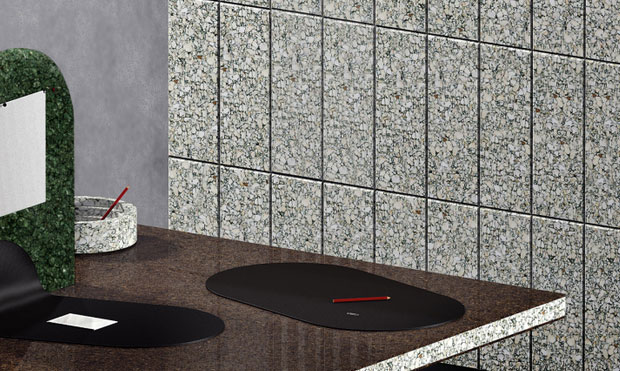
Golden Compound has created a range of furniture products from bioplastics made from sunflower seed hulls. (Photo: PlasticsToday)
Dartée also added that after testing, many of the company's products have achieved the necessary hardness to replace certain materials, such as PS or PA plastic. A partner company has chosen Golden Compound's bioplastic made from sunflower seed hulls to produce furniture products.
Currently, Golden Compound is producing more diversified products to target markets other than interiors. In the near future, products such as food containers, flower pots and garden accessories will be deployed more strongly. The company is also researching some car interior products with the desire to step into this industry.
Dartée believes that, with prices equal to or lower than conventional oil-based products, plastic products made from sunflower seed hulls will be the motivation for people to change their plastic usage habits to protect the environment.
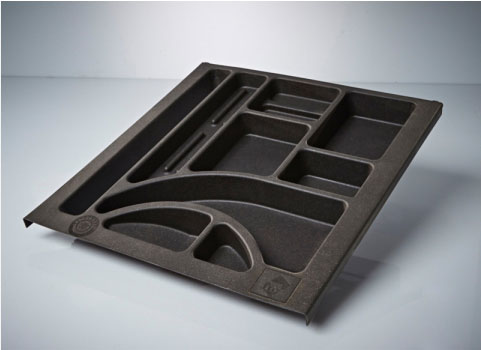
The price of plastic products used to make sunflower seed hulls is equal to or lower than that of conventional petroleum-based plastic products. (Photo: PlasticsToday)
In particular, the demand for plastic products is increasing, which leads to the need to produce more plastic raw materials. If using conventional plastics, the main raw material source, petroleum, will be increasingly depleted due to overexploitation. Not only that, these conventional plastics have a very long decomposition time, lasting from 500 to 1000 years. This prolonged decomposition will greatly affect the current state of environmental pollution.
Therefore, biodegradable plastic was born with the desire to solve the above situation. At this time as well as in the future, biodegradable plastic will be the first choice of many modern manufacturers and consumers. From here, we can see the great potential of plastic made from sunflower seed husks that Golden Compound is producing. This S²PC plastic made from sunflower seed husks is completely worthy of the title of 'green product' that is environmentally friendly and highly safe.