In this article, we will take a closer look at some of the animals that eat a lot as well as the factors that determine how much they eat to survive.
1. Blue whale (Balaenoptera musculus)
As one of the largest animals ever known, it is no surprise that the blue whale is the largest eater alive on our planet. An average blue whale weighs around 200 tons and needs 16 tons of food every day.
Despite their large size, the blue whale feeds on very small amounts of krill - small crustaceans that are high in protein and low in fat. They are also a good source of omega-3 fatty acids.
Blue whales need millions of krill to satisfy their hunger. The average blue whale consumes 16 tons of krill every day. In just one gulp, these sea creatures consume about half a million calories, equivalent to what an average adult human consumes in 250 days.
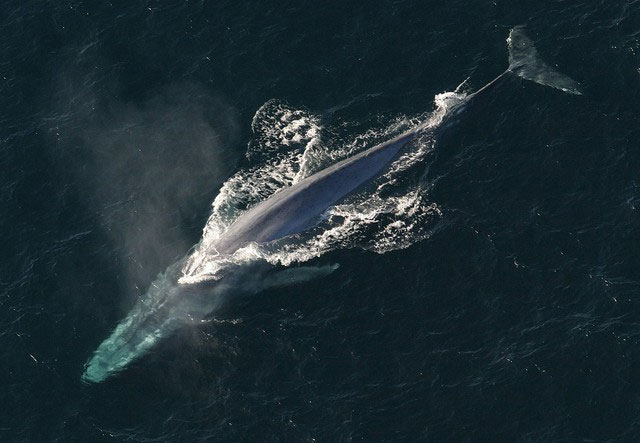
The blue whale is the world's largest animal and a giant of the ocean. As a giant predator, the blue whale needs to expend a lot of energy to maintain its enormous size and life activities.
2. Burmese Python (Pythin bivittatus)
Unlike other voracious eaters, Burmese pythons do not eat frequently. This reptile is one of the largest snakes in the world. It can grow up to 23 feet (7 meters) long and can weigh up to 200 pounds (90 kg).
Like most snakes, Burmese pythons have a slow metabolism and only need to eat once every two weeks. However, their meals are large. They have been known to eat deer, goats, and even crocodiles. Their prey is eaten whole, including bones and teeth. Burmese pythons can also eat prey up to 50% of their own size in one sitting.
A unique feature of this python is that its prey does not need to be completely in its stomach to be digested. The Burmese python can begin digesting its food as soon as it enters its mouth. The entire digestion process usually takes about five to six days, so the animal does not go hungry more than once every two weeks.
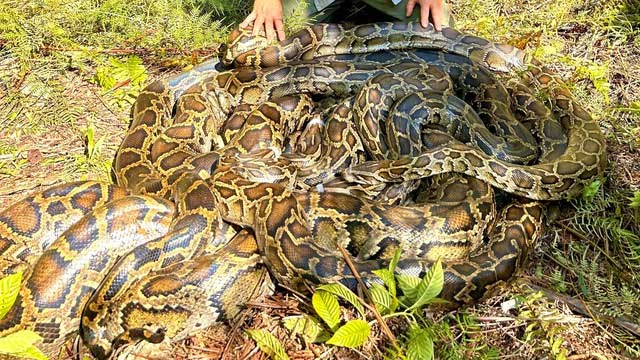
The Burmese python occurs throughout South and Southeast Asia, including eastern India, southeastern Nepal, western Bhutan, southeastern Bangladesh, Myanmar, Thailand, Laos, Cambodia, Vietnam, northern mainland Malaysia, and in southern China in Fujian, Jiangxi, Guangdong, Hainan, Guangxi, and Yunnan.
3. Hummingbirds (Trochilidae)
The hummingbird's appetite lies in its diet. The creature's diet consists primarily of nectar, which has very little nutritional value. In fact, nectar is essentially sugar water.
Despite its lack of nutrients, nectar is essential for hummingbirds to survive. This is because the world's smallest bird has the highest metabolic rate of any living creature. Their wings can flap more than 80 times per second, and their hearts need to beat 20 times per second to keep up.
Hummingbirds expend so much energy in flight that they need to consume twice their body weight in food each day to survive.
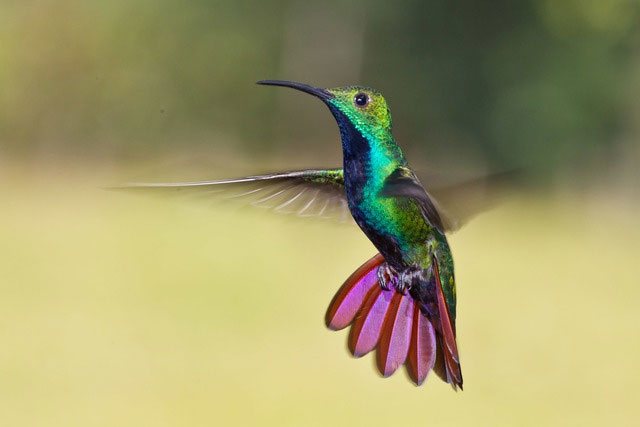
Hummingbird wings are unlike those of any other bird. They can move freely in the direction of the shoulders, allowing the bird to fly stationary and keeping its head still. This also means that hummingbirds can fly backwards. They typically fly at speeds of approximately 50 km/h. During the breeding season, males must make many dives to attract females.
4. American dwarf shrew (Sorex hoyi)
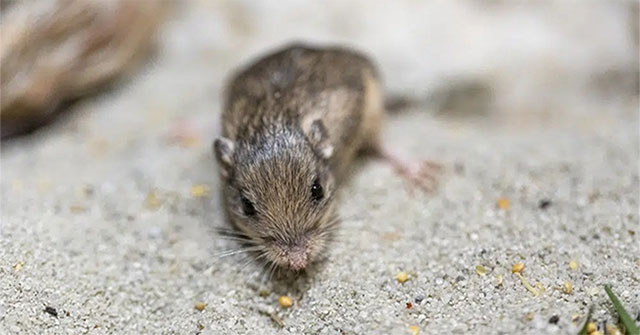
Although this animal is the second smallest mammal on the planet, it is one of the most voracious eaters on the planet for its size. The American dwarf shrew consumes insects, providing it with a protein-rich diet.
The animal has an exceptionally high metabolism, needing to consume about three times its body weight in food each day to survive. If the rat is deprived of food for an hour, it will starve to death.
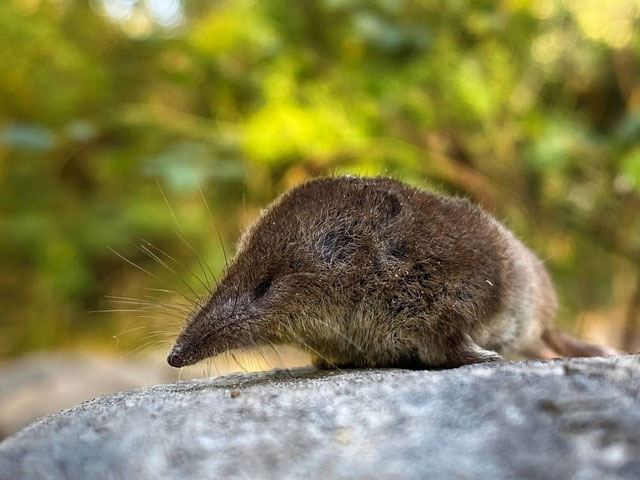
Sorex hoyi is a species of mammal in the family Soricomorpha. It was described by Baird in 1857.
5. Tasmanian Devil (Sarcophilus harrisii)
Tasmanian devils are carnivorous marsupials known for their ferocious nature. They are also known for their jaws, which are powerful enough to crush bones. They will use this ability to eat almost anything from snakes to birds to mammals.
A typical Tasmanian devil weighs around 20 pounds (9 kg) and needs to eat 2 pounds (0.91 kg) of food per day. However, this is not enough to satisfy their appetite, the animal can eat up to 40% of its body weight in a single feeding.
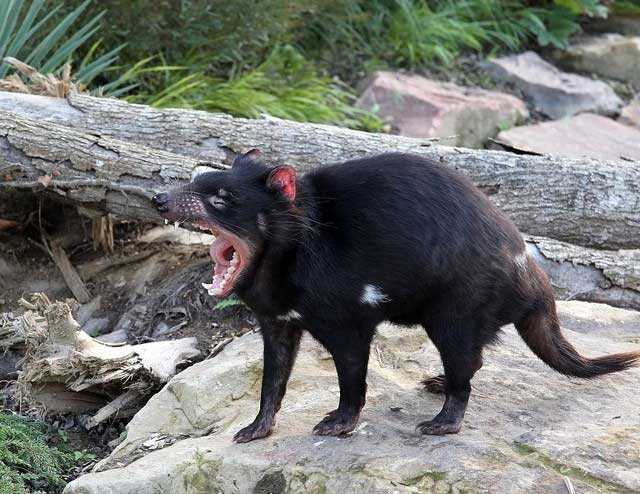
Tasmanian devils have a small and round body, shiny black fur, small eyes and a big mouth, these descriptions make them a group of small animals that do not stand out, but in fact they are known as "devils" in the animal world. In fact, Tasmanian devils have a very aggressive temperament, they will attack and tear apart their prey, even their own kind, mercilessly if necessary. Their mouths can open and close at an angle of 180 degrees, they can also easily kill prey 6 times heavier than their own weight. Scientists have found that among animals of the same size, Tasmanian devils have the strongest bite force, if Tasmanian devils are the same size as lions or tigers, their bite force will be about three times that of lions or tigers.