Rice is a familiar grain in every Vietnamese meal. However, do you know which type of rice is best for your health?
Benefits of rice varieties
Rice has been one of the most widely produced and consumed grains in the world for centuries, and for good reason. Rice contains fiber, carbohydrates, vitamins, minerals, and even some protein and healthy fats. It is a versatile grain that is found everywhere and can be used in any dish. There are different types of rice based on differences such as kernel size, aroma, cooking method, and color.
Here we explore four different types of rice – white, brown, black and red – based on their colour and what they can contribute to our diet.
4 most common types of rice on the market
The following types of rice have nutritional characteristics that make them stand out from other types of rice, according to Healthline .
1. White rice

White rice is the most popular of all rice varieties.
As the most popular of all rice varieties, white rice is ubiquitous and is an indispensable food in every meal of many countries, including Vietnam.
White rice is a very nutritious rice, often high in iron, thiamin (vitamin B1), niacin (vitamin B3) and folic acid. It has been milled to remove not only the outer hull but also the bran and germ of the kernel. As a result, it contains less fibre, protein, antioxidants and some vitamins and minerals, is less filling and has a greater impact on blood sugar.
It contains about 160 calories per 1/4 cup dry and is much lower in antioxidants than the rice varieties below.
2. Brown rice
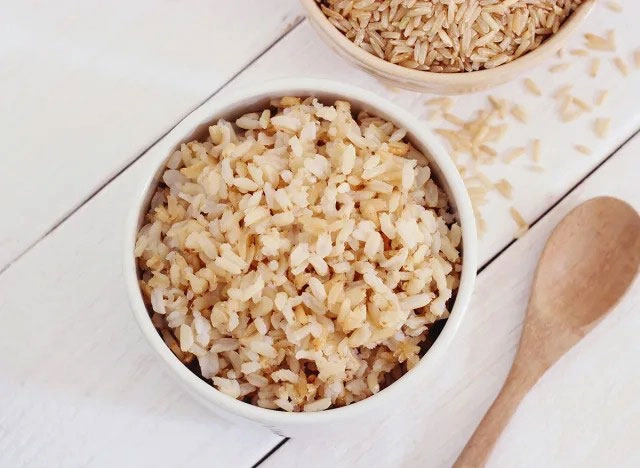
Brown rice provides the same number of calories and carbs as white rice, with the bran and germ removed.
Brown rice is one of the most recognized (healthy) whole grains, along with some of its cousins like oats, whole wheat, and quinoa. Unlike white rice, it still contains the bran and germ – both of which contain significant amounts of nutrients.
Brown rice bran contains the flavonoid antioxidants apigenin, quercetin, and luteolin. These compounds play an important role in disease prevention. Regular consumption of flavonoid-rich foods has been linked to a reduced risk of chronic diseases, such as heart disease and some cancers.
Brown rice provides the same number of calories and carbs as white rice, with the bran and germ removed. However, it has about three times more fiber and is higher in protein.
Both fiber and protein promote feelings of fullness and can help you maintain a healthy weight. Plus, choosing brown rice over white rice can help regulate blood sugar and insulin, a hormone that supports healthy blood sugar levels.
A study in 15 overweight adults showed that those who ate 200 grams of brown rice for 5 days had significantly lower fasting blood sugar and insulin levels than those who consumed the same amount of white rice. Additionally, the brown rice group had a 57% lower percentage change in fasting insulin than the white rice group.
Therefore, brown rice may be a better choice for people with diabetes. Furthermore, it is rich in magnesium, a mineral that plays an essential role in blood sugar and insulin metabolism.
3. Black rice

Black rice is black when dry, but when cooked, the rice has a more purple color.
Black rice, also known as purple, forbidden, or Emperor's rice , has been popular in Eastern cultures for many years.
Black rice is black when dry, but when cooked, it takes on a more purple hue. It has been studied for its content of anthocyanins, a flavonoid pigment that may be linked to protection against heart disease, cancer, and neurodegenerative diseases.
Black rice contains more fiber and protein than brown rice, with about 5 grams of protein and 3 grams of fiber per dry serving. Black rice is best enjoyed in porridge, rice salads or fried rice.
4. Red rice

Red rice has higher protein and fiber content than white rice.
Red rice is a deep red/honey colored grain with a slightly salty, nutty flavor and chewy texture. It has a higher protein and fiber content than white rice, but where it really shines is in its antioxidant content.
Like black rice, it is rich in flavonoid antioxidants, including the anthocyanins apigenin, myricetin, and quercetin. Several existing studies have investigated the positive inhibitory effects of red rice on leukemia, cervical, and stomach cancer cells due to its proanthocyanidin content.
Red rice may also exhibit anti-diabetic effects, as studied in a 2016 paper from the American Journal of Agricultural and Food Chemistry. The study found that basal glucose uptake (important for blood sugar regulation) increased 2.3-fold to 2.7-fold when exposed to red rice bran extracts.
Analysis of different rice varieties also tends to find that red rice has higher levels of tocotrienols, a form of vitamin E, which has been linked to neuroprotective, anticancer, and cholesterol-lowering properties. Red rice works great in snacks, salads, and soups.
So, which type of rice should you choose?
According to Healthline , studies show that consuming whole grains instead of refined grains improves health. For example, a study in more than 197,000 people found that replacing 50 grams of white rice per day with the same amount of brown rice was associated with a 16% lower risk of type 2 diabetes.
Whole grains have also been linked to a reduced risk of heart disease, obesity, and some cancers, so choosing whole grain brown, red, black, or wild rice is a great health option.
Additionally, these varieties are richer in disease-fighting antioxidants. Consuming a diet rich in antioxidant-rich foods can benefit your health in many ways.
Studies show that people who consume more antioxidants in their diets — such as those found in brown, red, and black fruits — have a lower risk of diseases such as metabolic syndrome, depression, certain cancers, and heart disease.
While white rice is healthy in moderation, replacing it with whole grains will definitely provide more nutrients.
Still, choosing a rice that suits your taste and goes well with certain dishes is paramount . Be sure to check the ingredients to avoid added spices or salt so you can control these additions in your kitchen. If you're willing to use any form of rice to complete your meal, snack, or dessert idea, consider black rice as a top choice for its impressive fiber, protein, and potential ability to fight chronic disease.