In this Top 14, besides the very famous names like Sparta or Rome, four of them—Mongolia, Xiongnu, Han, and the Tang Dynasty army—are all from China.
The world's most powerful military forces.
- 1. Spartan Heavy Infantry
- 2. The Han Dynasty Army
- 3. Huns' cavalry
- 4. Mongol cavalry
- 5. Teutonic Cavalry
- 6. The Roman Army
- 7. The Byzantine Army
- 8. The Macedonian Army
- 9. Arab Cavalry
- 10. The Tang Dynasty Army
- 11. Cossack Cavalry
- 12. Napoleon's cavalry
- 13. Husaria Cavalry
- 14. Polish Cavalry
1. Spartan Heavy Infantry
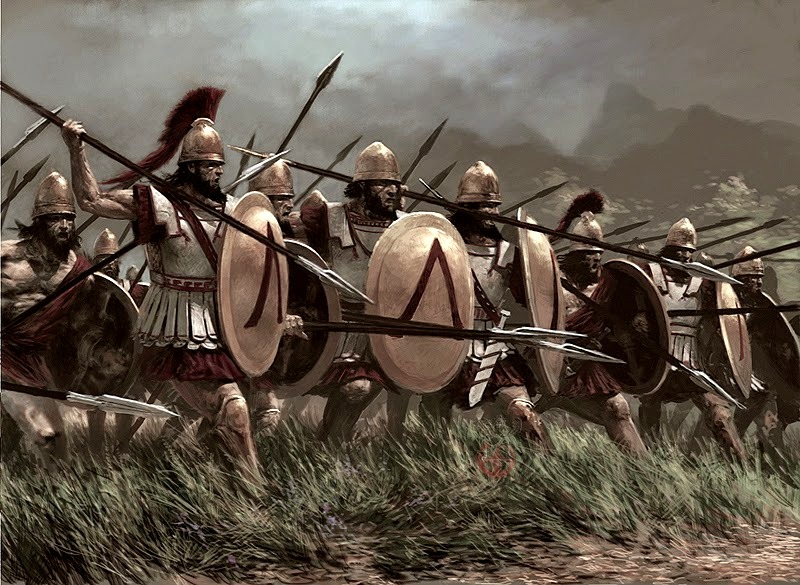
Spartan army
Sparta was the first professional army in history, possessing unwavering willpower and strict discipline. During the Peloponnesian War , 90,000 Spartan heavy infantrymen confined the Athenians to their city walls for years. In the Persian War, only 500 Spartan soldiers, leading 3,000 Greek troops, fought a fierce battle against 100,000 Persians. Ultimately, Persia had to rely on the guidance of a treacherous Greek to secure victory.
- Immortal "demon" legions in history
2. The Han Dynasty Army
At the time, the Han Dynasty and the Roman armies were considered the two most powerful forces in the world. However, the Han Dynasty's achievements were far superior to those of the Romans when considering wars against nomadic peoples. The Han army possessed strong fighting power, strict organization, and the extensive use of crossbows, giving them a significant advantage over the armies of other nations in battles. This also represents a typical example of a powerful and all-around army in human history.
3. Huns' cavalry
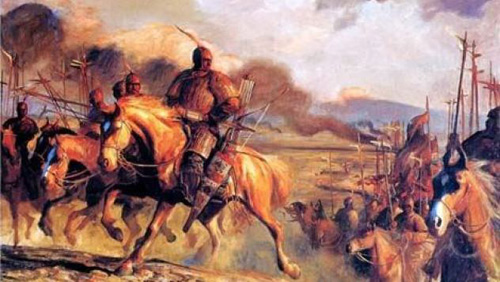
Huns cavalry
The Xiongnu army possessed exceptional mobility and lightning-fast attacks, leaving their opponents no time to react. They could replace their horses multiple times a day while maintaining combat effectiveness. Furthermore, their primary weapon was the bow, which was far more powerful than the bows used by Western armies at the time.
4. Mongol cavalry
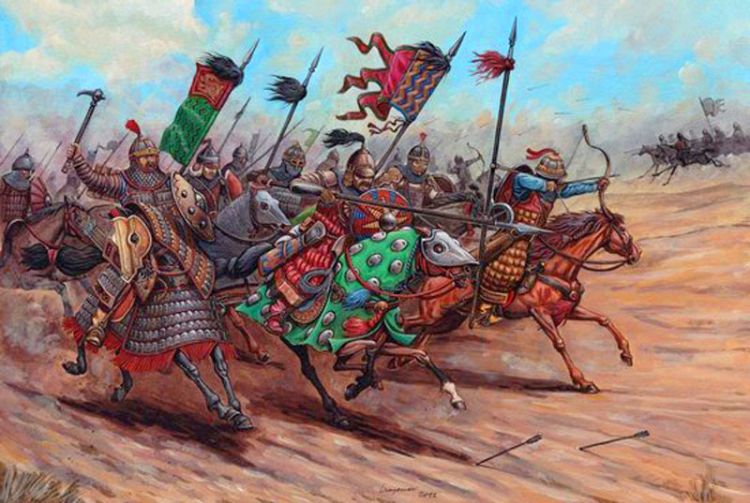
Mongol army
The Mongol cavalry was founded by Genghis Khan. This army broke free from the constraints of traditional European military thought, forming an empire of unprecedented scale in the world and also renowned for its horrific slaughter.
When considered individually, the Mongol cavalry might not be as strong as the Macedonian or Ottoman cavalry , but when fighting together, this army was incredibly powerful, arguably the strongest. They were like ferocious beasts on the battlefield, born on horseback, with only one purpose: to charge straight into battle and slaughter. Almost nowhere could withstand the hooves of the Mongol army.
5. Teutonic Cavalry
While not invincible, at their peak, the Teutonic Knights effectively controlled the entire eastern Baltic Sea region.
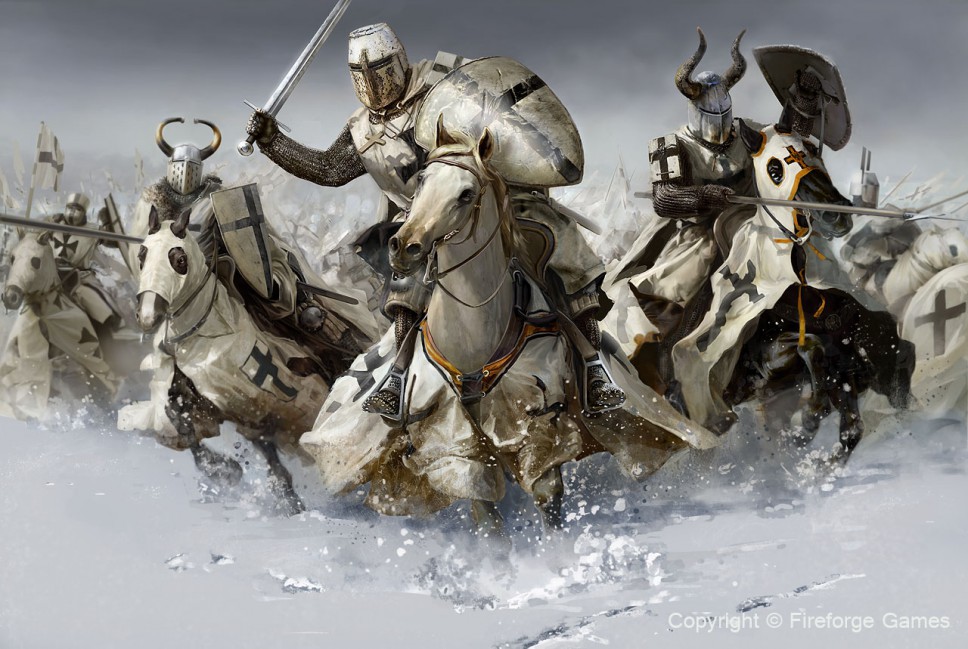
Teutonic "steel" cavalry
They were always at the forefront of battles and true monsters on the battlefield, employing the tactic of charging straight into enemy formations from a distance like a giant rhinoceros, then fanning out to the flanks and circling back to prepare for the next charge. This action was repeated until the enemy formation was torn apart.
6. The Roman Army
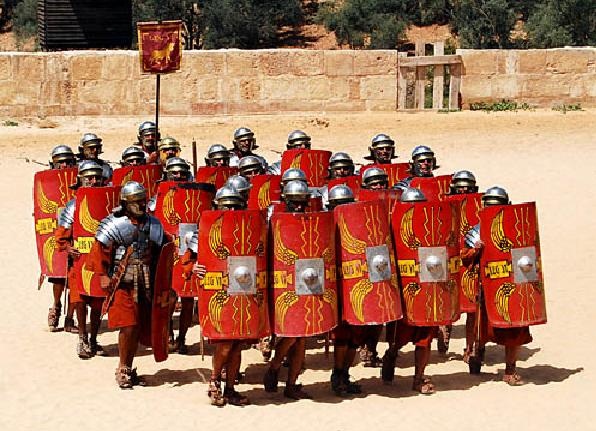
Roman army
The Roman legions were composed of approximately 5,000 heavy infantrymen recruited from Roman citizens. In the Mediterranean, the Roman army waged countless wars and defeated many different peoples such as the Gauls, Samnites, Italians, Epirus, and Syracuse.
7. The Byzantine Army
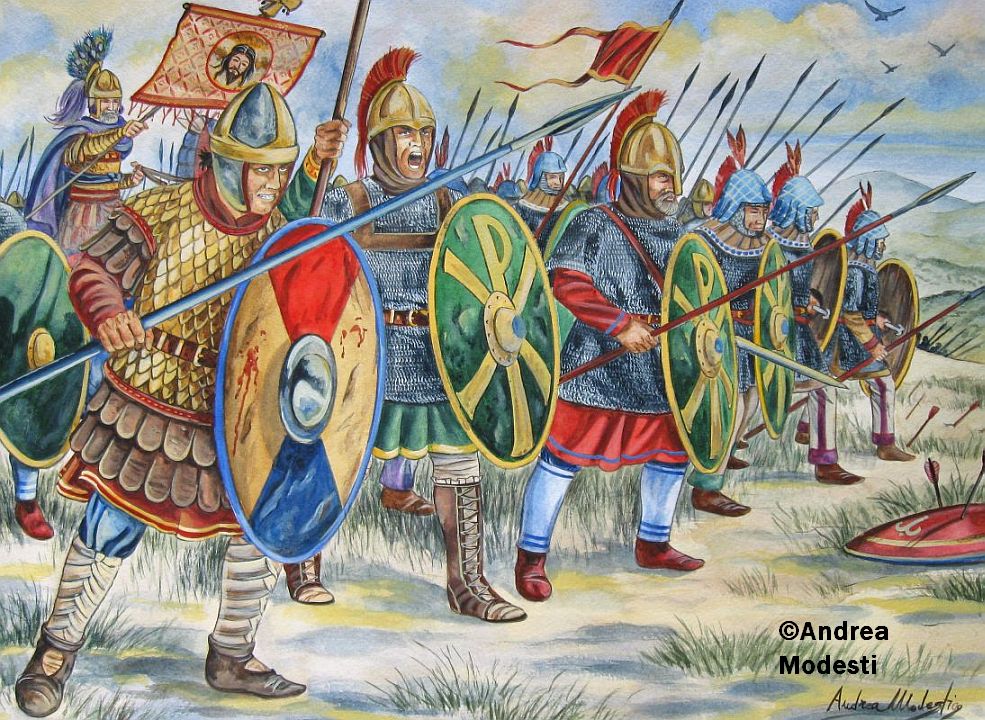
Byzantine army
The Byzantine Empire flourished during the Justinian period . Before the 11th century, the Byzantine army remained the most powerful in the Near East. Their defensive capabilities were considered among the best in the world, with cavalrymen clad in armor and armed with spears and bows and arrows.
8. The Macedonian Army
The Macedonian Phalanx (infantry) was heavily armed, carrying a round shield approximately 1 meter in diameter in their left hand and a spear approximately 2 meters long in their right hand; their formation was neat and dense.
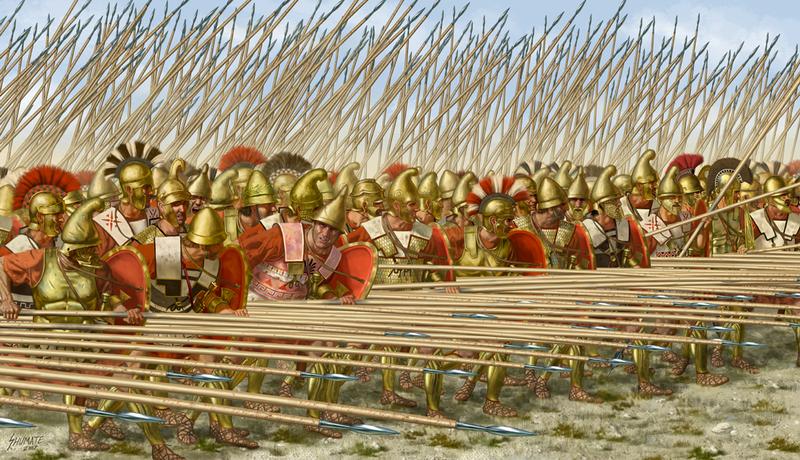
Macedonian Phalanx (infantry)
In addition to infantry, Macedonia also possessed the incredibly powerful Hetairoi cavalry . This was the main cavalry force in the Macedonian army and was considered the most powerful and successful cavalry force in the ancient world under the leadership of King Philip II and later his son, Alexander the Great .
Alexander the Great considered military service a legitimate profession, establishing a very systematic system of training schools and drills. The Hetairoi cavalry always focused on developing their strengths while striving to overcome weaknesses, remaining loyal to the tactic of lightning-fast flanking attacks to disrupt the enemy's formation before retreating. The Hetairoi were always used as a supporting force for the Phalanx infantry.
9. Arab Cavalry
The Arab cavalry was a powerful cavalry force of Khalid ibn Al Walid, established to serve the conquest and expansion of Islam.
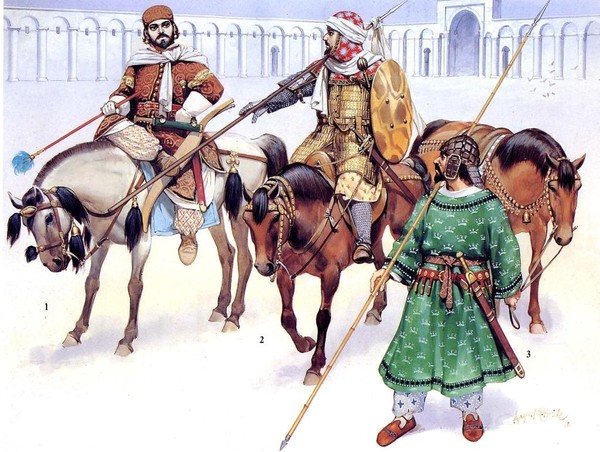
Arab soldiers
Arab cavalrymen possessed a spirit of martyrdom, endurance, discipline, exceptional horsemanship, and an extreme religious fervor, yet remained highly alert while on duty.
Each cavalryman was trained in horseback riding, camel riding, and the use of various weapons such as swords, spears, and bows, as well as martial arts and military tactics.
10. The Tang Dynasty Army
The Tang army was a powerful force composed of many ethnic groups. The Tang army consisted of a corps of 12,500 men, with battalions under the corps, and regiments under the battalions. Each regiment managed two brigades, each brigade consisting of 100 men. The Tang army was among the most elite in terms of quality and the largest in terms of numbers.
11. Cossack Cavalry
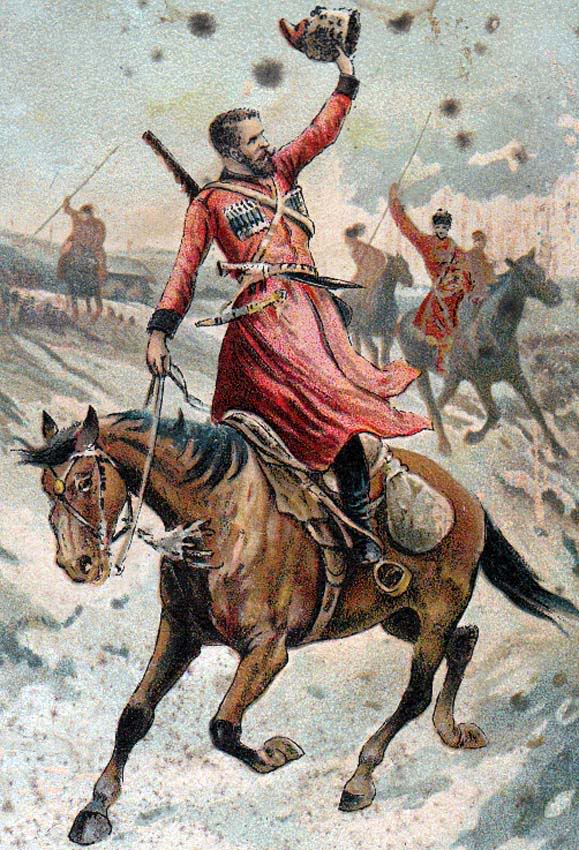
Cossack cavalry were notable for their flexible tactics.
Cossacks were very famous cavalrymen and are considered among the best of all time. They were masters of combat, from face-to-face engagements and sweeps to reconnaissance and even hit-and-run tactics. Each soldier possessed exceptional military skills and a high degree of independence.
12. Napoleon's cavalry
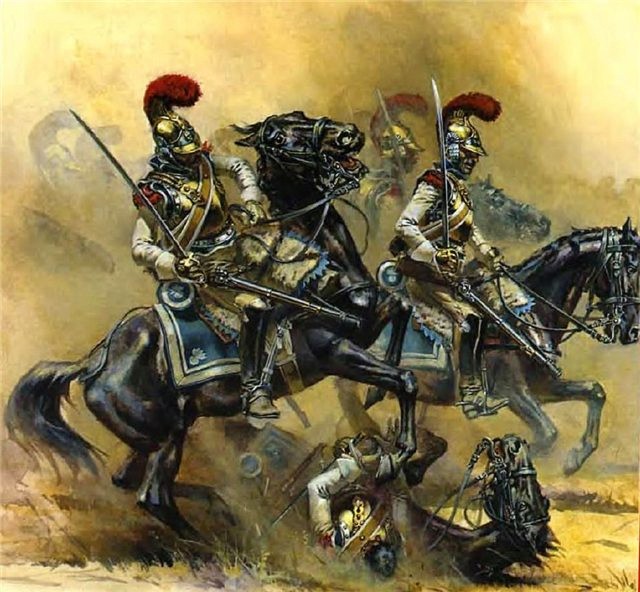
Napoleon's army
Napoleon's cavalry was a symbol of numbers, strength, and discipline. Thanks to Napoleon I's brilliant military organization, the French army and cavalry became stronger than ever after a millennium of weakness and even obscurity.
13. Husaria Cavalry
Not only were they particularly impressive because of their wings, which made them look like an army straight out of a mythical world, this cavalry unit was also famous for its clever military tactics and special iron armor that gave them the destructive power to defeat their enemies.
The name of this cavalry unit struck fear into the hearts of their enemies whenever they saw its wings on the battlefield; in countless battles, the cavalry unit was almost undefeated. A series of consecutive victories of this corps include: Lubiszew (1577), Byczyna (1588), Kokenhausen (1601), Kircholm (1605), Kluszyn (1610), Chocim (1621), Martynów (1624), Trzciana (1629), Ochmatów (1644), Beresteczko (1651), Polonka (1660), Cudnów (1660), Chocim (1673), Lwów (1675), Vienna (1683) and Párkány (1683).
This undefeated streak created the 100-year Golden Age of the Hurasia warriors. On flat terrain, they were almost invincible. Moreover, in most battles, their cavalry was outnumbered by their opponents by a significant margin.
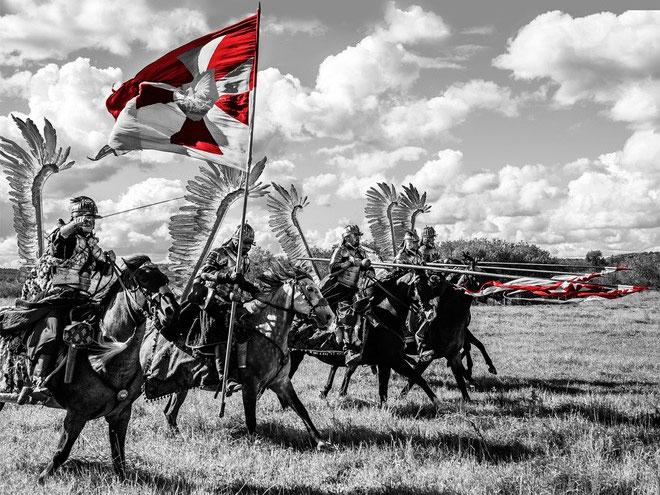
The Husaria cavalry is considered the most powerful cavalry unit in European history.
For example, at the Battle of Kircholm (1605), the Swedish army was superior in strength and numbers with 11,000 infantry with rifles compared to 1,900 Hurasia cavalry.
However, they suffered a crushing defeat with casualties reaching 6,000, while the Polish cavalry lost fewer than 100 men!
The most glorious battle, and the one that clearly demonstrated the legendary power of the winged cavalry, was when they faced the most powerful enemy in the world at that time: the Ottoman Empire – the new empire that had destroyed the old Roman Empire to dominate Europe.
With only 3,000 cavalrymen, Husaria defeated a formidable army of 200,000 in 1683 at the Battle of Vienna (saving the Austrian capital Vienna from a siege by the Ottoman army).
The enduring fame and legend of the winged cavalry were further enhanced by their convincing victory over the Ottoman Empire, establishing them as the most powerful cavalry in European history.
14. Polish Cavalry
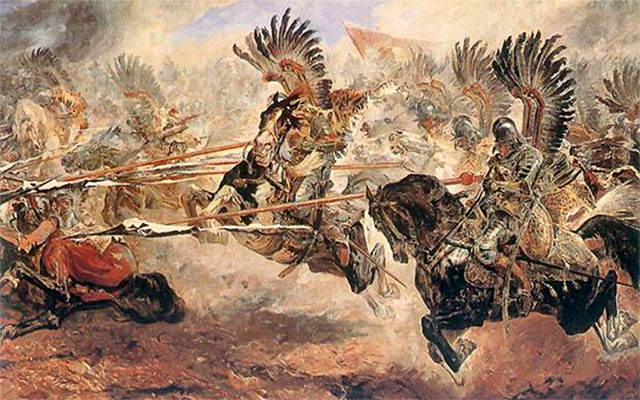
There was a time when the wings on the backs of Polish cavalrymen were a haunting sight on the battlefield.
Their origins stemmed from a group of devout Serbian mercenaries around 1500, gradually developing into a powerful regular army. They remained undefeated against all opponents, including the Ottomans, Cossacks, and the Russians (Tatars).
The Polish cavalry's masterful use of long spears, combined with a powerful, yet simple, sweeping, tactic, was virtually flawless. Their greatest achievement was the Battle of Vienna in 1683.
In September 1683, the Ottoman army, with 150,000 troops under the command of Emperor Mehmed IV and an additional 12,000 led by Ottoman vizier Kara Mustafa Pasha, attacked and besieged Vienna. Subsequently, Pope Innocent XI sent Polish troops, numbering approximately 30,000, to relieve Vienna.