Archeology
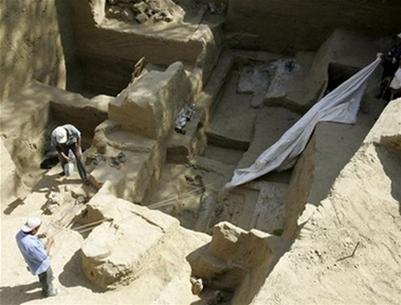
Peru: Discovery of a large pre-Inca burial site
Peruvian archaeologists have discovered a burial site consisting of 20 graves of the Sican aristocracy from pre-Inca times near the northern city of Ferranafe.
Explore archaeological discoveries, fossils, ancient civilizations, human origins and artifacts that reveal how people and species lived in the past.
5,314 published items in this category and its subcategories.
Peruvian archaeologists have discovered a burial site consisting of 20 graves of the Sican aristocracy from pre-Inca times near the northern city of Ferranafe.

Scientists working in northern Peru discovered a 1,000-year-old monumental tomb located in the famous pre-Inca Sican city.
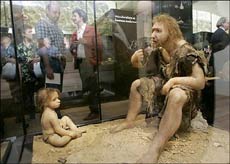
Some anthropologists argue that Neandertals are different from modern humans due to rapid growth in short childhood. However, the analysis of two Neandertal molars was c…
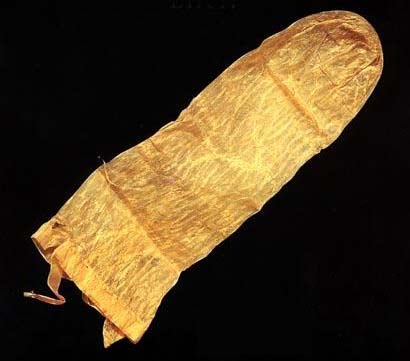
The oldest surviving contraceptive device in the world has been put on display at the Austrian museum. This reusable condom dates from 1640 and is still intact.

According to Dr. Helena Valladas and colleagues at the Weather and Environment Laboratory, CEA-CNRS Research Center (France), when conducting the analysis of the age of…

The oldest bird known to humans has feathers on their feet, allowing it to use these legs as an extra pair of wings,
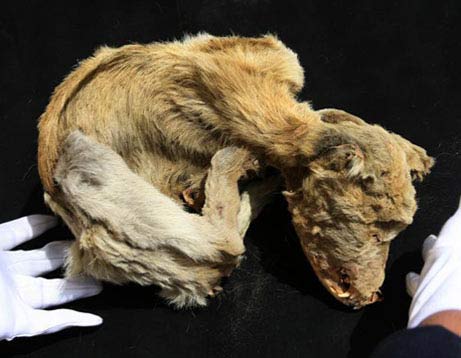
Even in ancient Peru, dogs seem to be close friends of humans. Archaeologists found that prehistoric dog lovers built cemeteries for pets, wrapped with animal carcasses.
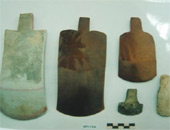
In 2003, the Institute of Archeology discovered nearly 20 monuments under Plei Krong hydropower reservoir (Kon Tum). But three years later, the new Institute was funded…

Italian scientists at Milan University, who are restoring the Group G - My Son world heritage, have identified the kind of adhesive material to build towers a few hundre…

According to Dr. Paul Pettitt, Oxford University (UK) and colleagues, 20,000 - 30,000 years ago, Neanderthals and ancestors of modern people lived in continental Europe.
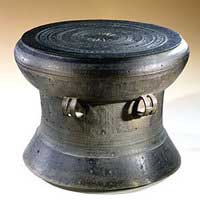
A resident discovered Dong Son bronze drum in Son Lang district. This is a proof that in the western Quang Ngai region there was interference between Sa Huynh culture an…

Mexican archaeologists have created the most significant discovery of the Aztec civilization for decades, unearthing an altar in the 15th century and a large stone at th…

Bulgarian archaeologists claimed to have found evidence that the first brain surgery was performed 4,000 years ago.
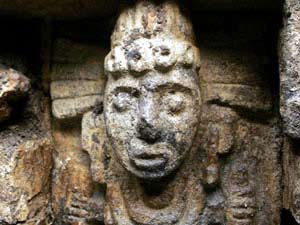
A group of archaeologists from the Mexican Institute of Anthropology (INAH) has found a pink, 3.5-meter-tall monolithic stone monument, Tlaloc Rain God, dating back over…
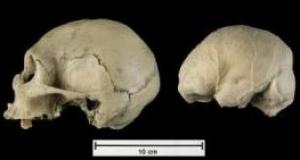
This new study has proved completely and convincingly that the skull of a woman discovered in Flores, Indonesia in 2003 is not the skull of a breed.