Environment
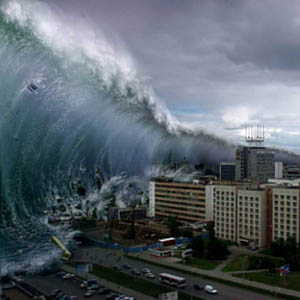
What causes earthquakes and tsunamis?
What causes earthquakes and earthquakes to be the only cause of tsunami? Is it possible to predict when this happens as well as to prevent these phenomena?
Explore climate, weather, energy, ecosystems, pollution, natural resources and environmental changes affecting regions around the world.
7,336 published items in this category and its subcategories.
What causes earthquakes and earthquakes to be the only cause of tsunami? Is it possible to predict when this happens as well as to prevent these phenomena?
Scientists have discovered the coldest region on earth - where the air temperature falls below -91 degrees C. With this cold, the recent cold spell of England is just li…
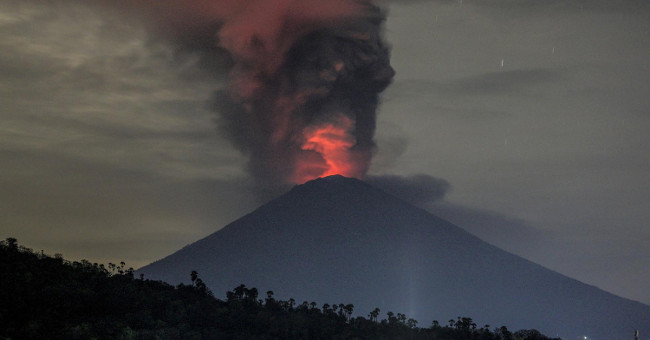
According to the Daily Star, the last time the volcano Agung erupted was in 1963. More than 1,600 people were killed, dozens of villages were destroyed and tens of thous…
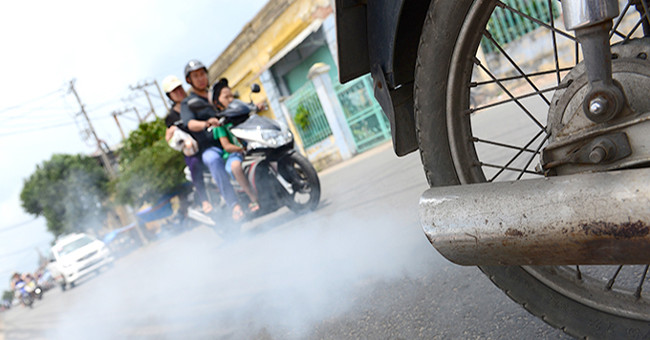
Japanese scientists at Kanazawa University came to an unexpected conclusion: compared with automobile emissions, motorcycle emissions pollute the environment more seriou…
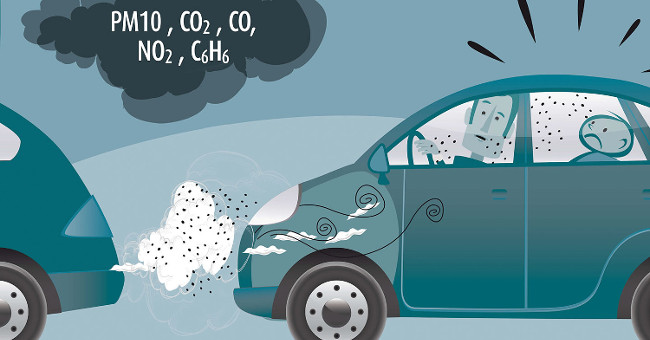
Regardless of the vehicle, after starting the engine, the exhaust system will also escape a variety of emissions, mostly toxic gases with much less content.
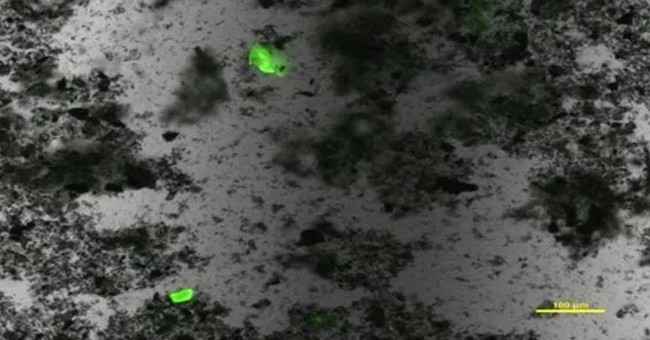
The oceans are full of plastic. We all know that and this is really a big problem today. But we don't know exactly how big this pile is.

When Vesuvius volcano erupts, its ambient temperature reaches 500 degrees Celsius, and the power of Krakatoa volcano is equivalent to 13,000 atomic bombs.

American scientists have drawn the deepest area map in the ocean, more detailed than the previous maps. It is the Mariana basin in the western Pacific Ocean, about 2500k…
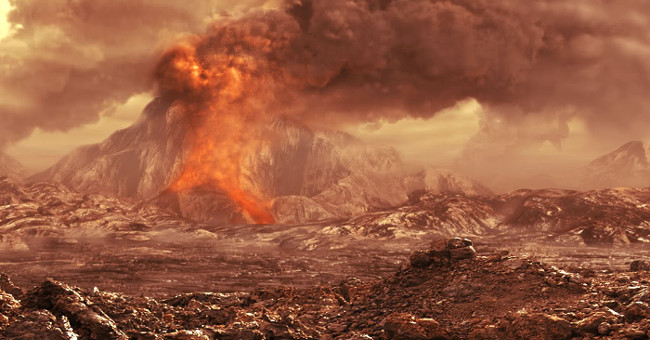
With the destruction of about 800 million tons of TNT, the Tambora volcano erupted on April 10, 1815 in Sumbawa, Indonesia was the biggest shocking explosion in human hi…
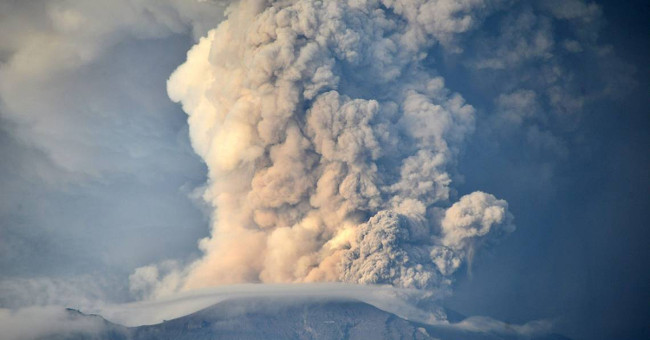
The ashes erupted from the mouth of Agung, causing many flights to be delayed and the tourist plans of thousands of Bali people were disturbed.
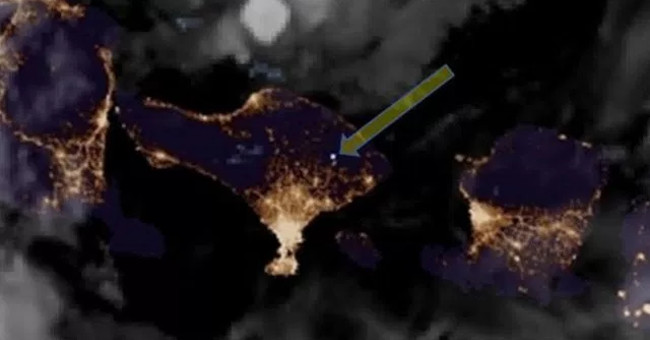
According to Darwin Volcanic Ash Advisory Center, ash from the Agung volcano is drifting southeast at 6,400 meters.
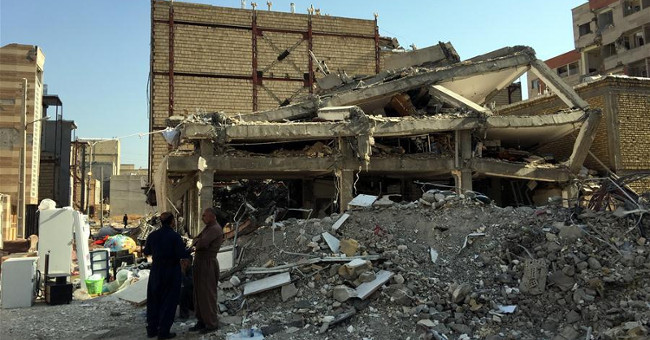
The magnitude 6 earthquake struck on December 1 in southeastern Iran, injuring at least 42 people and damaging many homes in the area.
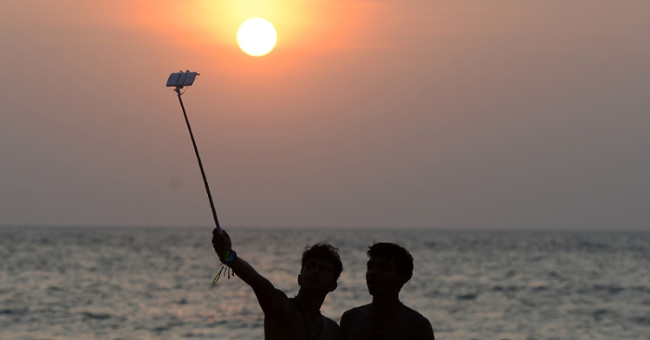
Scientists at the University of Melbourne (Australia) have concluded that people living in a warm climate will have happier lives elsewhere.
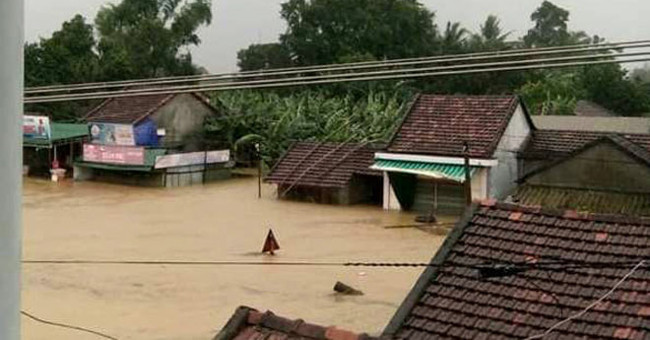
Today, November 6, floods in the central region continue to rise rapidly, on par with the previous record, many areas suffered serious flooding.
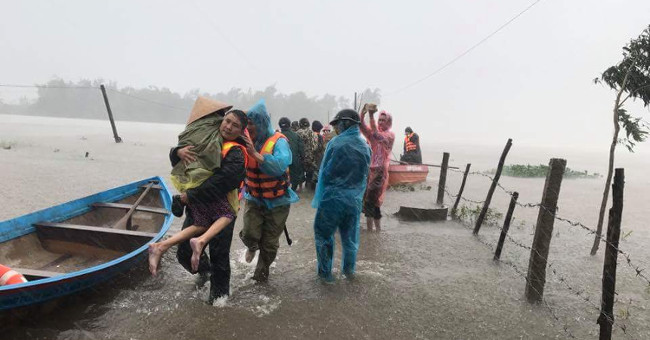
Currently, in the Gulf of Thailand, there is an area of low pressure located at 1 am early this morning, about 8.2-9.2 degrees north latitude, 101.5-102.5 degrees east…