Health experts in Canada are considering using genetically modified soybeans to produce Omega-3 fatty acids.
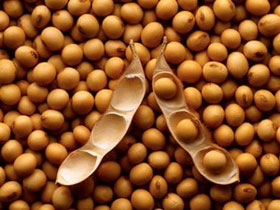 Omega-3s are unsaturated fats, found in soybean oil and some foods but in small amounts, while seafood - especially marine fish that live in deep waters like salmon, sardin, Herring and tuna have 2-4 times more Omega-3 fatty acids than vegetable oils.
This substance works to reduce the risk of cardiovascular disease, depression, infections, rheumatism . Due to the use of Omega-3, nutritionists recommend that people should eat fish regularly. or Omega-3 supplements at least twice a week.
However, because global fish stocks are declining, researchers fear the risk of a shortage of Omega-3 supplies in the middle of the century.
Mr. David Jenkins, a nutritionist at St. Hospital. Michael in Toronto, said that it is possible to genetically modify soy so they can provide the same amount of Omega-3 as fish. This will become a long-term and stable source of Omega-3 while still protecting the world's fish stocks.
Recent research by US scientists also confirmed that transgenic soybean oil provides a high level of Omega-3.
However, this issue may be controversial because many environmental activists oppose the use of genetically modified food. There are also many people allergic to soybeans.
Extract of Omega-3 fatty acids from transgenic soybeans
Health experts in Canada are considering using genetically modified soybeans to produce Omega-3 fatty acids.
Keep exploring
More in Medicine - HealthBrowse the category
Next reads
Continue reading

Medicine - Health
The Syndrome That Makes You Know People's Names But Not Their Faces

Medicine - Health
What is acrophobia?

Medicine - Health
What is syphilis?

Medicine - Health
Kawasaki Disease: Causes, Symptoms, and Treatment

Medicine - Health
Strange disease that causes sufferers to fold their shoulders