Space science
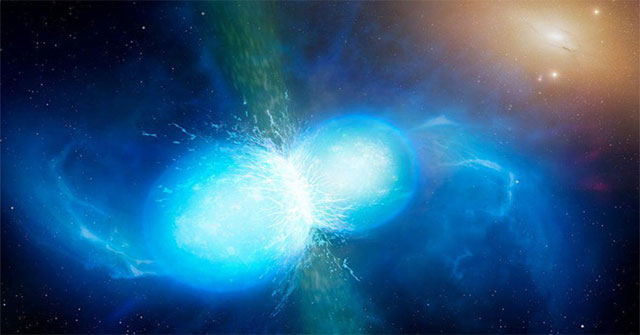
The new discovery of cosmic explosion creates gold and platinum
From our first observation of the collision of neutron stars in 2017, scientists realized that the 2016 gamma ray explosion was a kilonova, the type of explosion that pr…
Explore astronomy, NASA missions, planets, galaxies, the Moon, the Solar System and discoveries that expand our understanding of the universe.
8,698 published items in this category and its subcategories.
From our first observation of the collision of neutron stars in 2017, scientists realized that the 2016 gamma ray explosion was a kilonova, the type of explosion that pr…
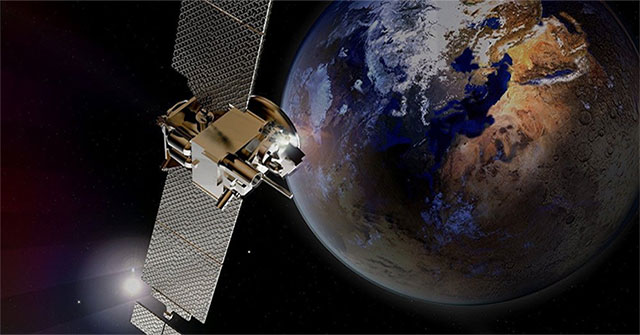
Russian Space Agency Roscosmos has invented a shield system to protect satellites from attacks from space objects.
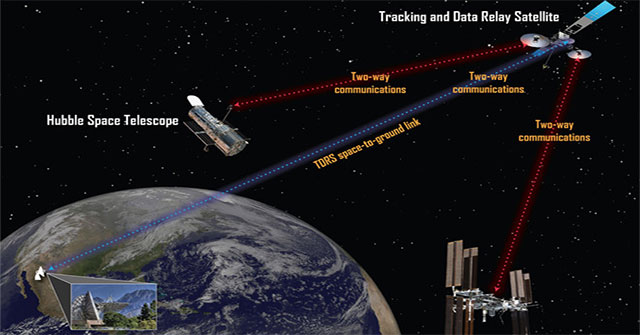
In order to ensure that data from important missions is transferred quickly and efficiently, NASA has just upgraded the connection at the International Space Station (IS…
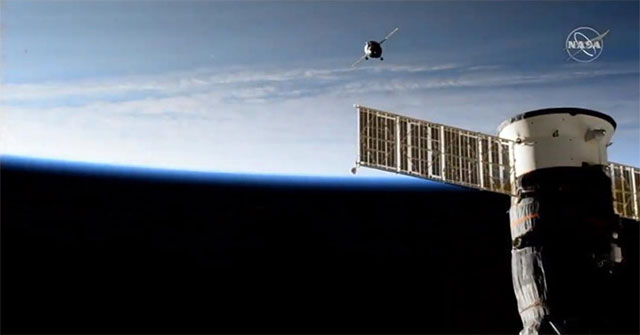
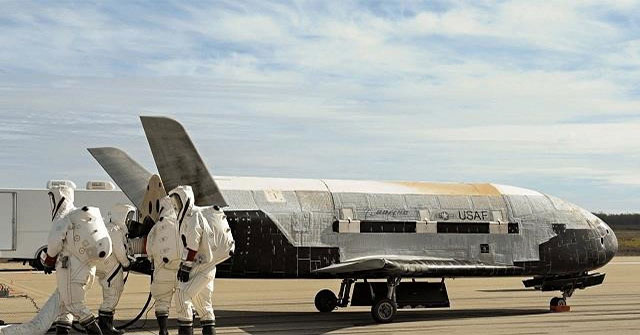
The US Air Force X-37B has just completed Saturday in orbit, making it the longest mission-carrying ship in a secret test program.
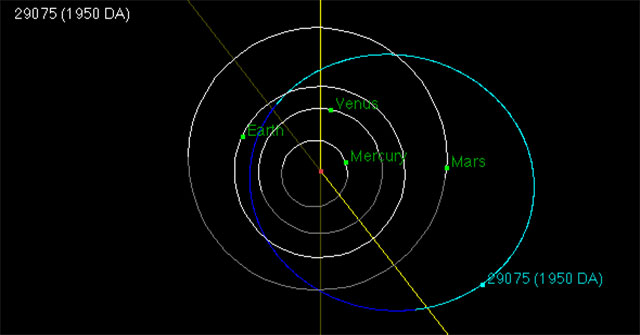
Asteroid 29075 1950DA could create a crater more than 27 km in diameter if it hit Earth on March 16, 2880.
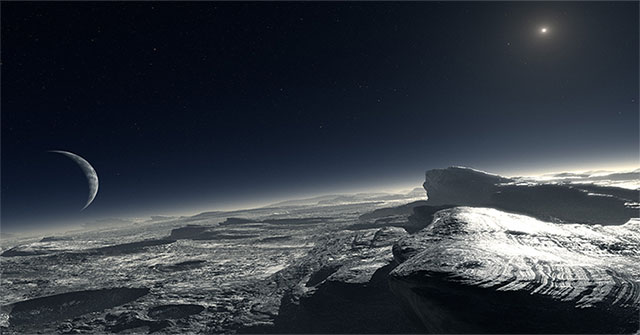
The head of NASA has made a shocking statement that a familiar and mysterious object at the edge of the Solar System is a true planet.
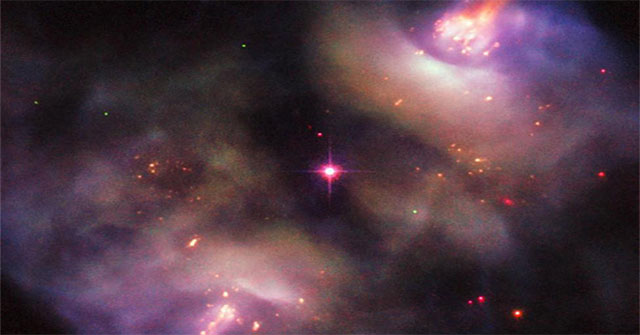
The latest image of the planetary nebula NGC 2371/2 released by NASA last week shows the remnants of a dying star.
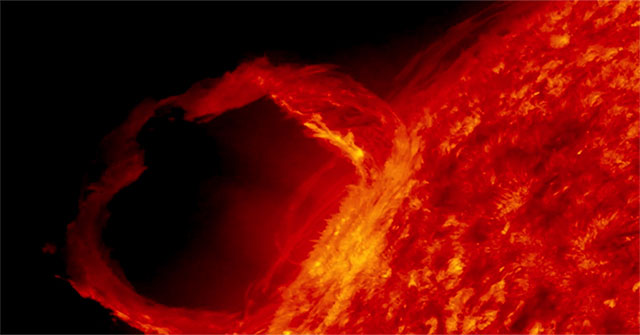
Research by German scientists found a correlation between the number of sunspots and the alignment of Venus, Earth and Jupiter.
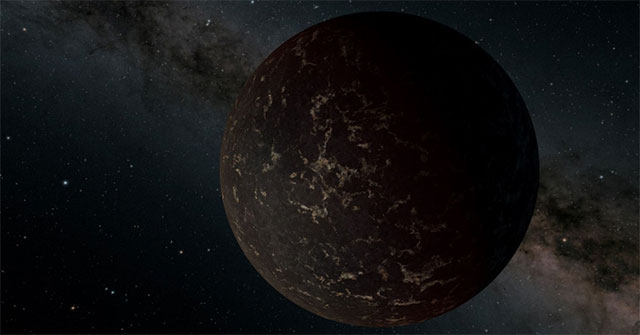
An extraterrestrial planet belongs to the earth's size group, but is described as being more difficult to breathe than ... just defined hell.
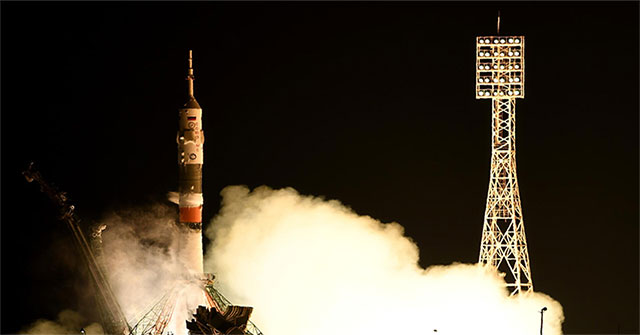
The first unmanned spacecraft carrying Russia's humanoid robot landed a defeat on the International Space Station (ISS) on August 24.
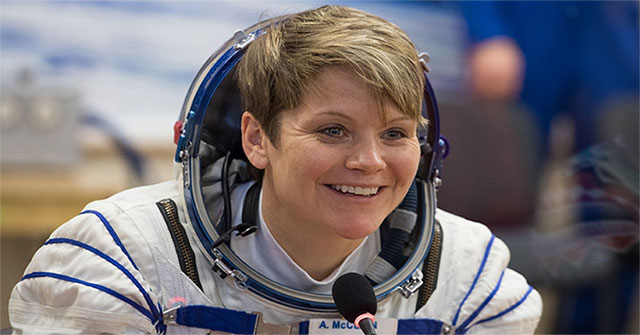
NASA astronaut Anne McClain is accused of identity theft and unauthorized access to her wife's bank account while on duty on the International Space Station (ISS).
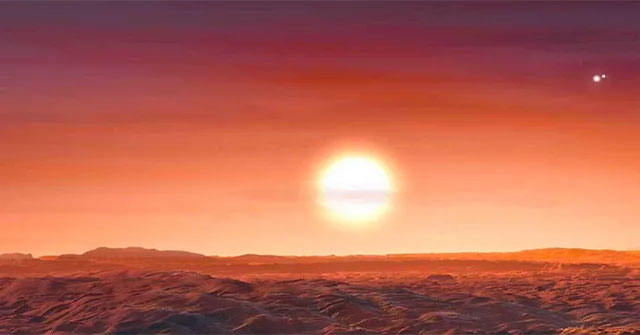
A newly discovered exoplanet is named LTT 1445 Ab, orbiting its parent star to form a newly discovered three-star system that has three times the heat of the Sun.
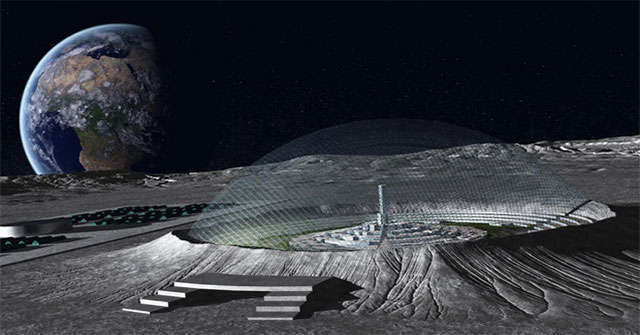
A bold idea. Who would have thought there was a way to live on the Moon!
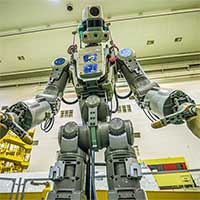
The Fedor robot was launched on Soyuz MS-14 at 6:38 (local time), or 10:38 am (Hanoi time), from Russia's Baikonur space airport in Kazakhstan.