Space science
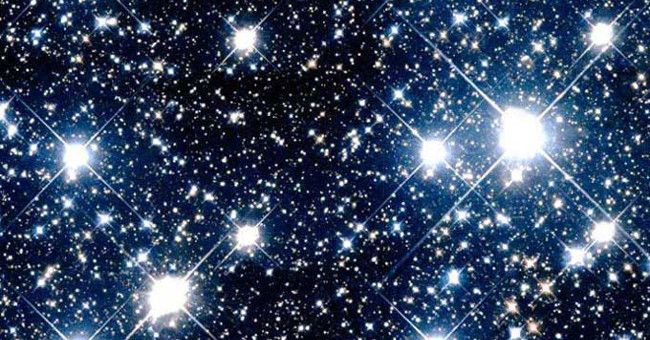
Why is the star sparkling?
What causes the stars to sparkle? Is the light from the planets?
Explore astronomy, NASA missions, planets, galaxies, the Moon, the Solar System and discoveries that expand our understanding of the universe.
8,698 published items in this category and its subcategories.
What causes the stars to sparkle? Is the light from the planets?
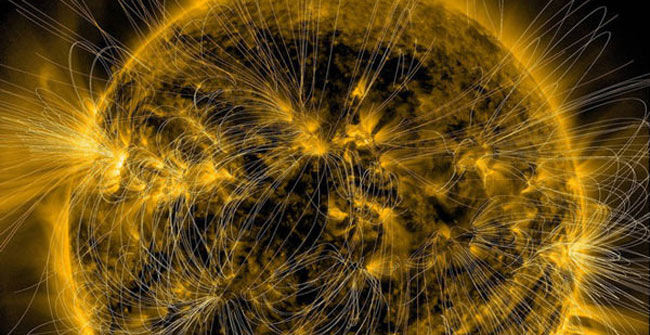
But don't blame the Sun if you're sick recently!
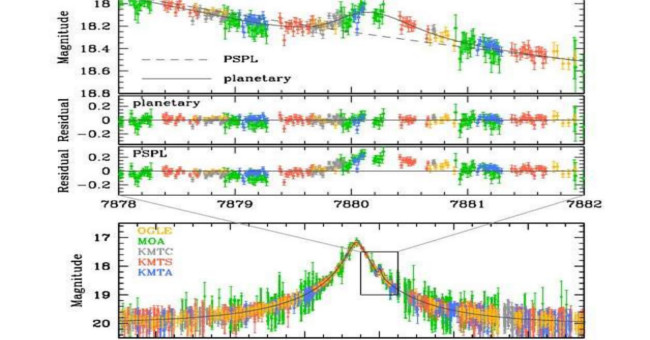
A group of international astronomers discovered one
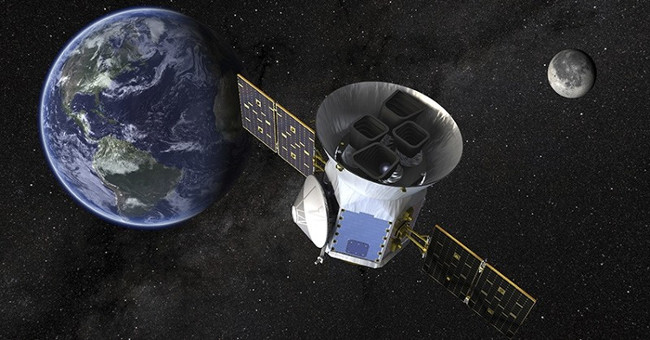
NASA is ready to launch a dishwasher-sized spacecraft worth $ 337 million with the aim of expanding exploration of planets outside the solar system.
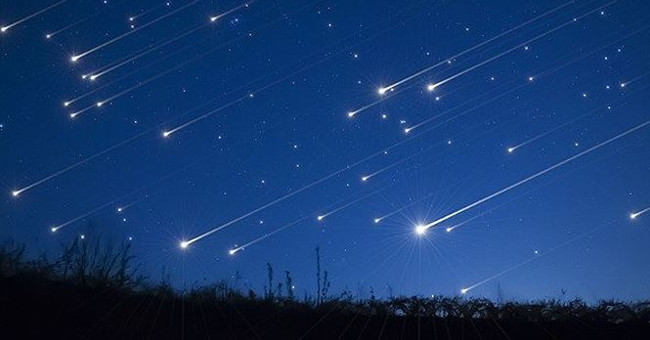
Lyrid meteor shower is formed from dust particles left by comet C / 1861 G1 Thatcher, usually appearing April 16-25.
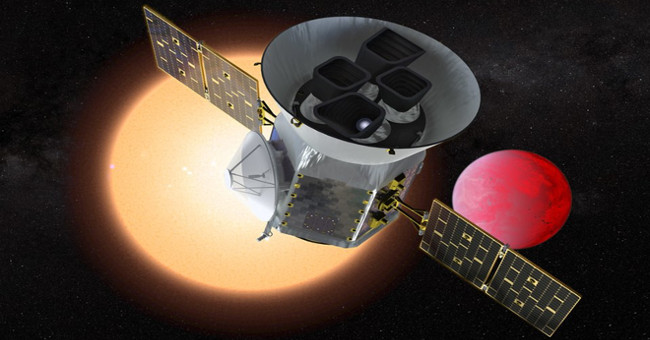
According to NASA's schedule, the TESS satellite will be launched into space by Space X on Falcon 9 missiles, in Cape Canaveral, Florida.
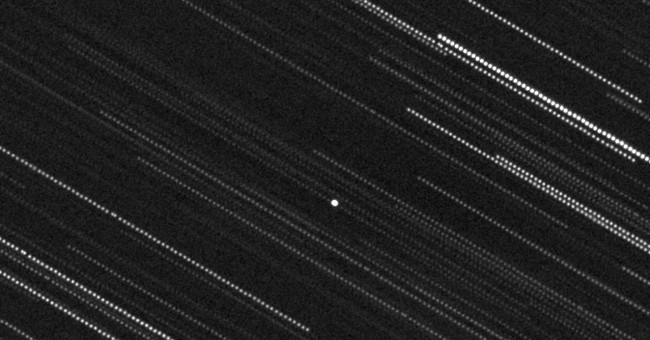
The 2018 GE3 asteroid approached Earth just less than a day after it was discovered.
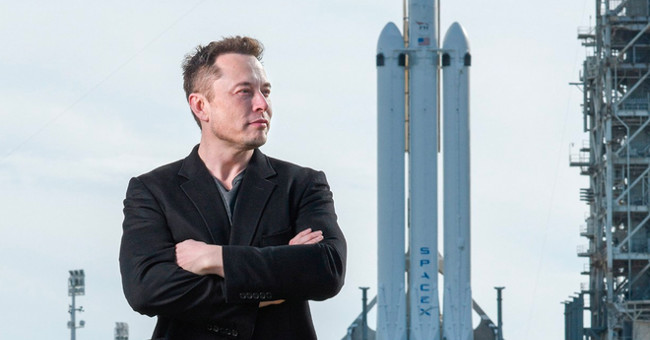
After all, SpaceX wants to recover every part of the rocket after launch, not just the first floor.
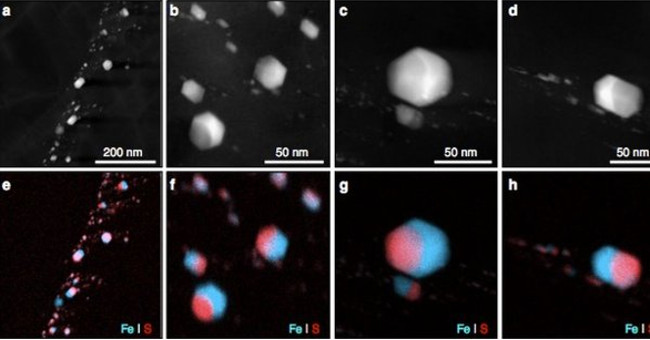
Scientists in Switzerland, France and Germany, studied the number of diamonds in the Almahata Sitta meteorite debris crashed into the Nubian desert, Sudan, October 2008.
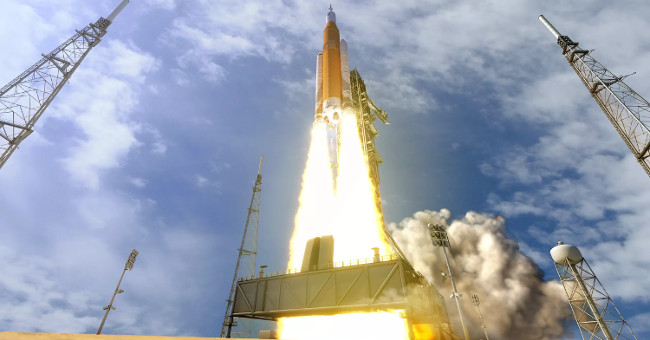
The launch was done with SpaceX Falcon 9 boosters from Cape Canaveral, Florida at 18:51 local time (5:51 on April 19, Hanoi time).

The US Aerospace Agency (NASA) first sent sperm to the International Space Station (ISS) to study whether humans can conceive in a zero gravity environment.
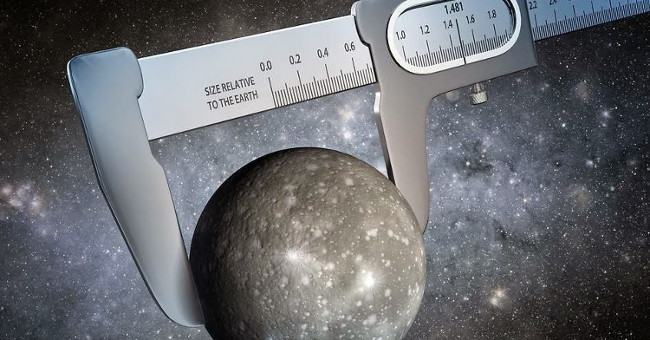
A physicist has proposed to overcome the lack of reasonable consistency in the measurement system of astronomical and astrophysics.
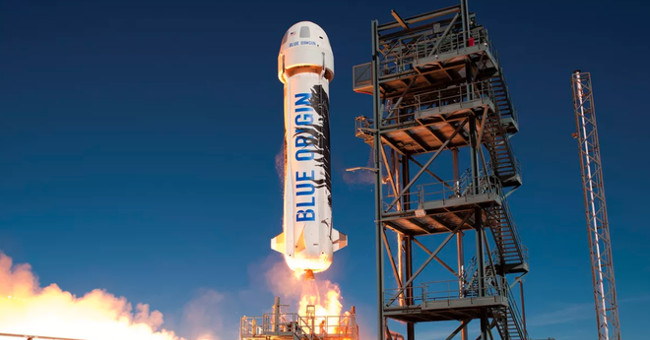
Jeff Bezos's aerospace company said it is likely that visitors may travel into space with Blue Origin in 2018.
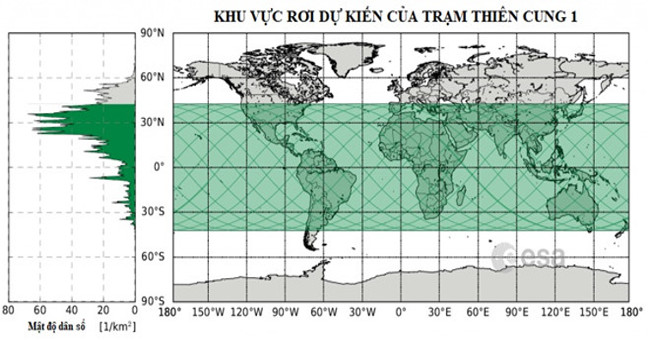
In the announcement on the night of March 31, European Space Agency ESA predicted Thien Cung 1 space station will fly into the Earth's atmosphere around 6:00 am on April…
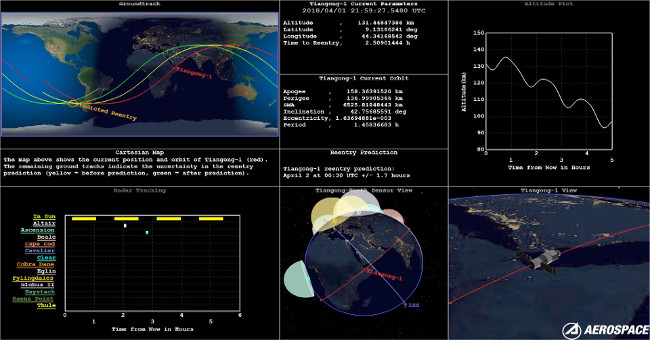
At 7:30 on April 2 (Vietnam time), the Chinese space station falls at a speed of about 26,000 km / hour and enters the atmosphere at an unspecified coordinates.