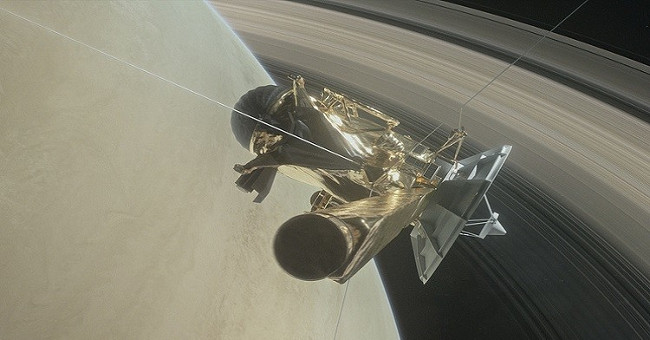
Space science
Strange sounds from planets in the Solar System
The satellites introduced by humans into the universe for decades have been equipped with special sensors to be able to
Explore astronomy, NASA missions, planets, galaxies, the Moon, the Solar System and discoveries that expand our understanding of the universe.
8,681 published items in this category and its subcategories.
The satellites introduced by humans into the universe for decades have been equipped with special sensors to be able to
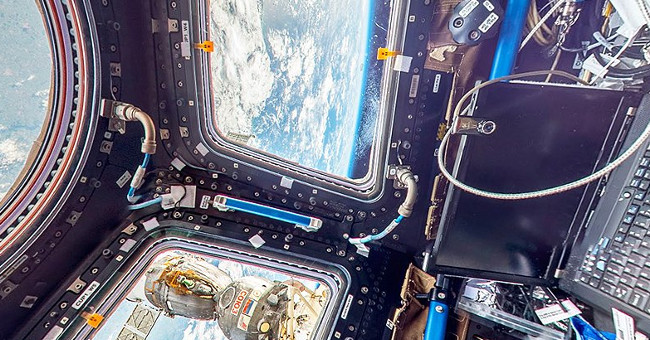
This is the first time Google has made the march into space because the images of Street View have never been taken outside of Earth before.
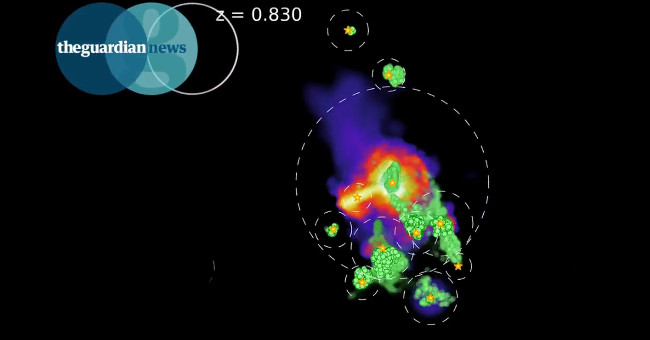
US scientists point to the possibility that half of the body's material is derived from supernova explosions in satellite galaxies smaller than the Milky Way galaxy.
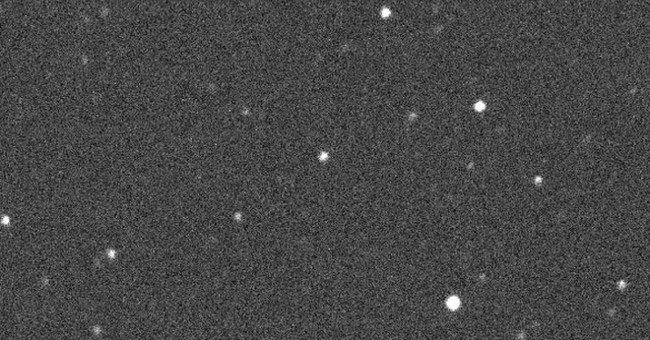
The event was in the early morning of July 17 even in a split second, but it would provide more information about this rock than the data was previously collected.
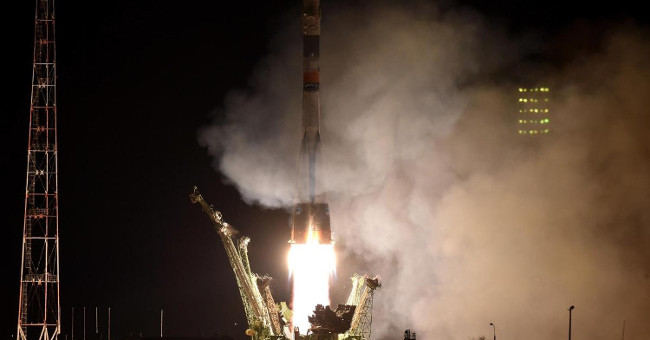
Only a few minutes after the launch, the
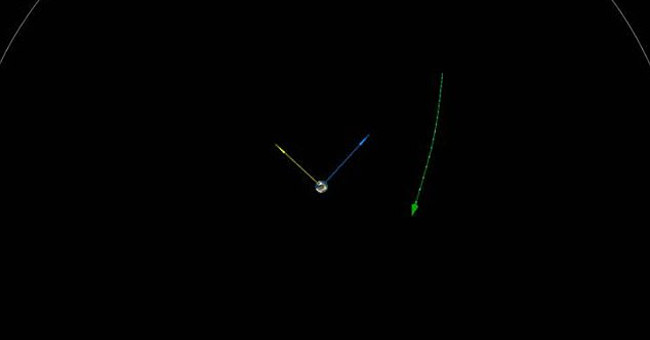
The planet is estimated to be 78m long (the size of a Boeing 747 passenger plane), three times the meteorite that once plunged into our atmosphere in 2013 and exploded i…
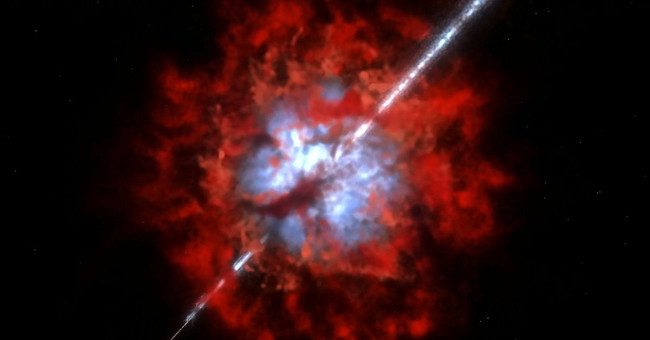
A gamma ray explosion occurs when a giant star dies, exploding like a supernova and collapsing into a black hole.
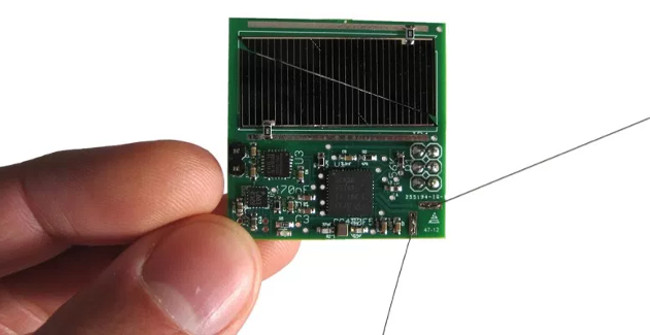
Successful manufacturing of ultra-small satellites is a premise for spacecraft to travel between stars.

Unlike what you think, this idle question is the vision of human limitations in exploring the universe.
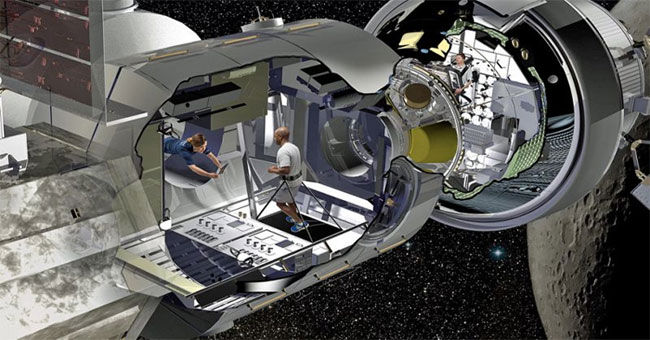
This is part of a project of the US Aerospace Agency (NASA) to build
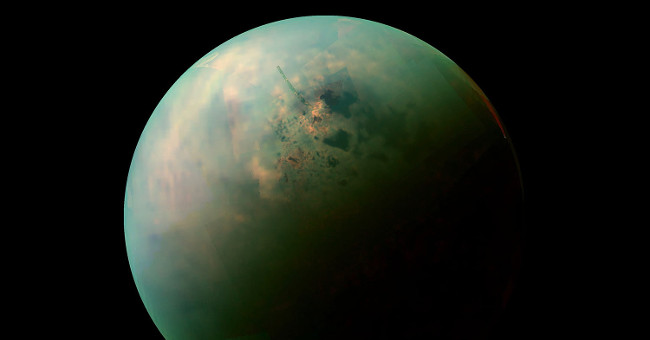
Scientists from the US Aeronautics and Space Agency (NASA) said Cassini spacecraft first discovered vinyl cyanide molecules on Saturn's moon Titan.

Philip Davies, a British family doctor, is selling land on Mars via his Mars.Sale website.
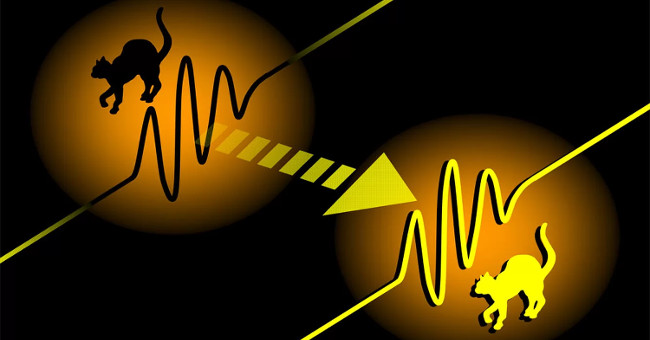
If you are a fan of sci-fi movies, you probably won't be familiar with the phrase
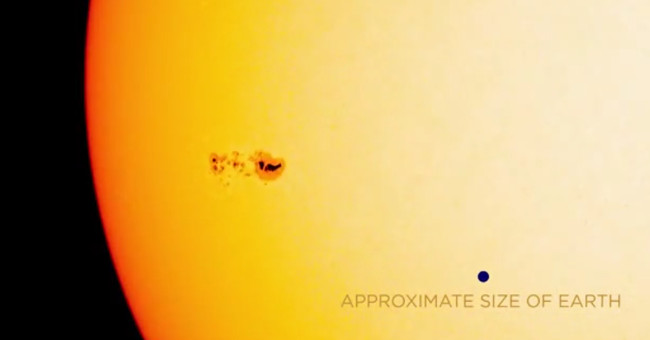
The Solar Dynamics Observatory (SDO) satellite of the NASA Aerospace Agency (NASA) detected the Sunspot AR2665, 120,000 kilometers, last week, according to Sun.
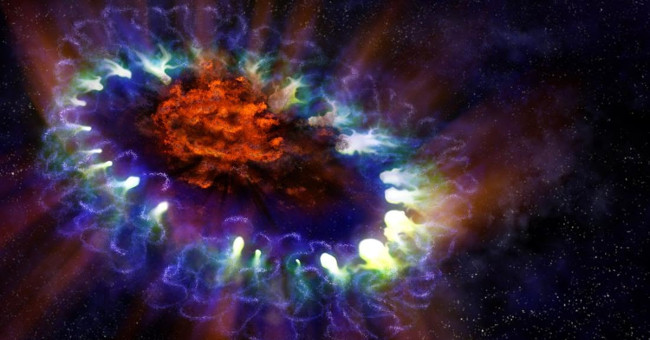
More than three decades ago, astronomers witnessed a rare and extremely intense cosmic event: a dying star that exploded 168,000 light-years away.