Videos
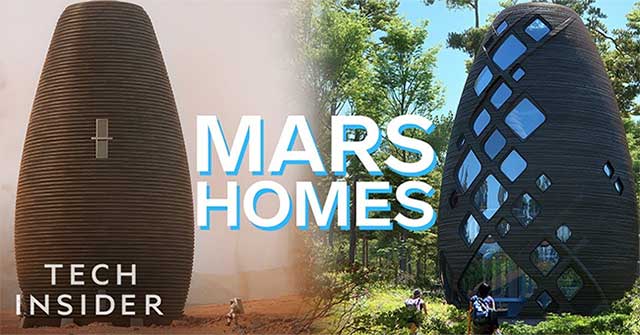
Discovering the design of Mars housing is rewarded with $ 500,000 by NASA
In the future, astronauts will live in architectural blocks called Marsha, with full facilities and safety.
Browse ScienceInfo articles and explainers related to Astronauts.
407 published items.
In the future, astronauts will live in architectural blocks called Marsha, with full facilities and safety.
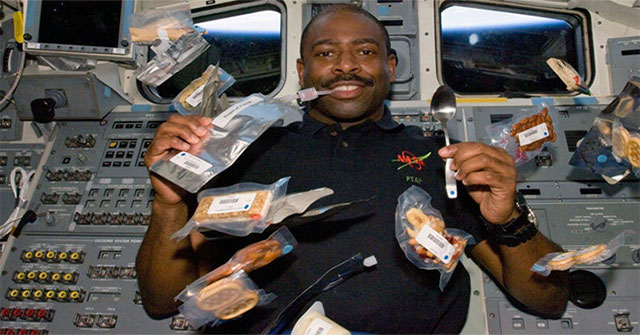
Most foods when deposited into space will be dried, then undergo a process called re-hydration rehydration.
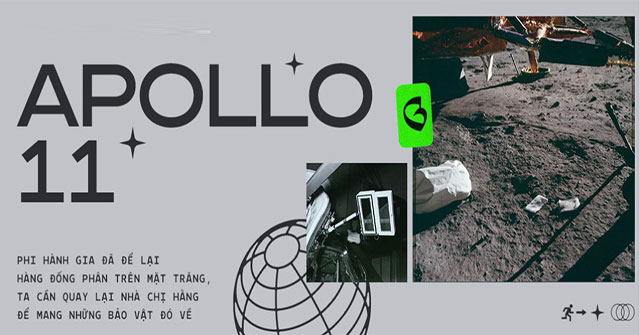
Inside the stool bags, a whole sky of knowledge awaits humanity's discovery. The next mission of the Moon mission will MUST be
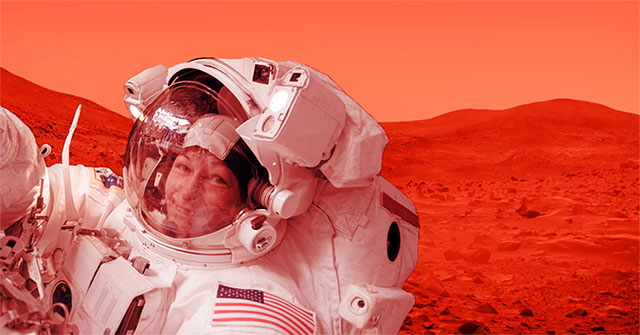
NASA Director Jim Bridenstine recently revealed information about the first person to Mars on a television talk.

According to Express, NASA scientists have discovered that swimming goggles can keep astronauts' eyes safe in space missions, as they help build up the pressure of liqui…

The 8.5-cm sculpture is placed on the Moon to commemorate the astronauts who sacrificed in space exploration missions.
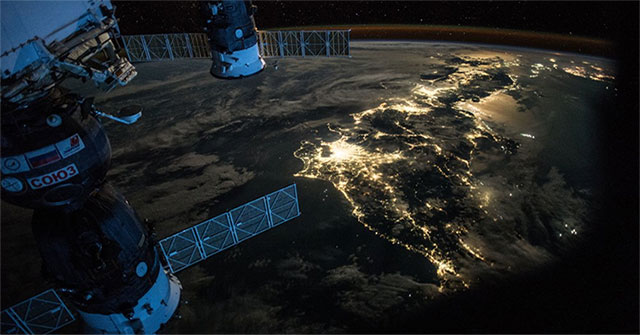
The astronauts' job is not only to study scientific experiments, but also to help the Earth inhabitants observe the beauty of their planet.
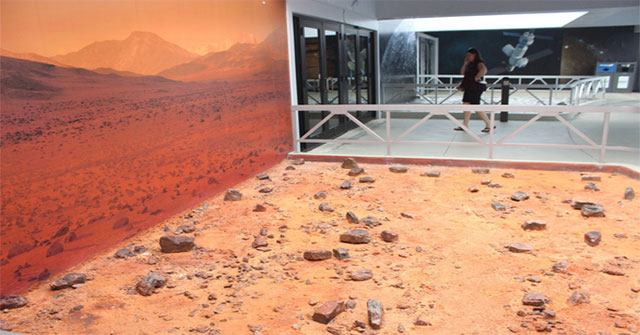
At the Kennedy Space Center, visitors visit the rocket launcher area, have lunch with astronauts, visit Mars and watch the turtles from crawling across the road.
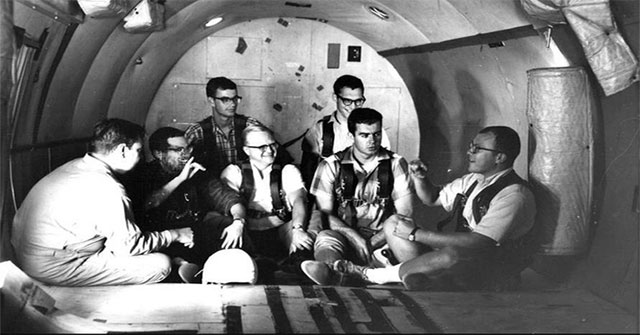
Before bringing people into space, NASA had to conduct a thorough research on the effects of zero gravity on the human body over a long period of time.
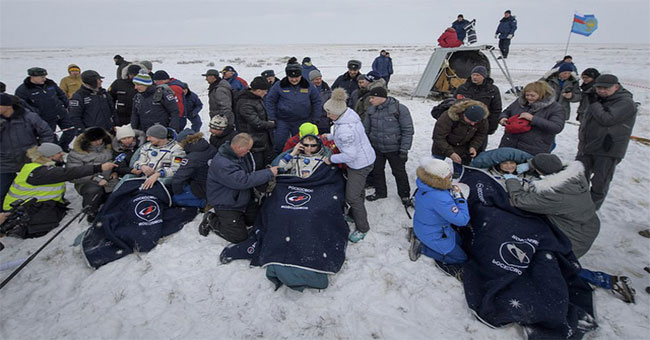
The Soyuz MS-09 spacecraft produced by Russia carries three astronauts who landed in the vast snow cover in Kazakhstan, located about 140 km southeast of Dzhezkazgan cit…
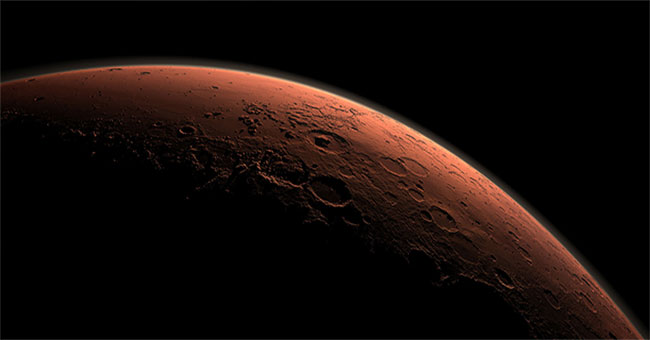
Each flight that lasts two years on Mars will take 2.5 years of life for each crew member due to direct contact with radiation during the flight.

Before reporters, the man claiming to be Noah said that in the future, aliens will become allies of the United States and most of the world.

The ancient Chinese emperors all possessed a huge harem - the residence of the Empress, Empress, the Emperor and eunuchs.
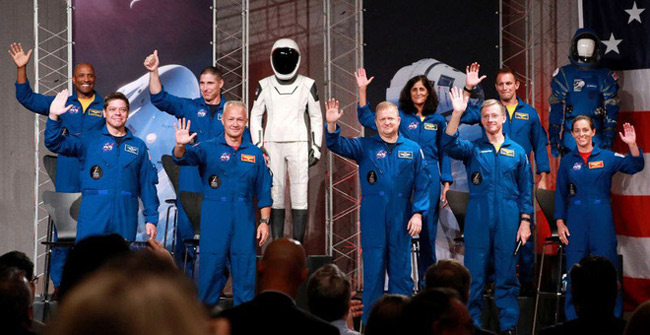
The first test flights will take place next year.
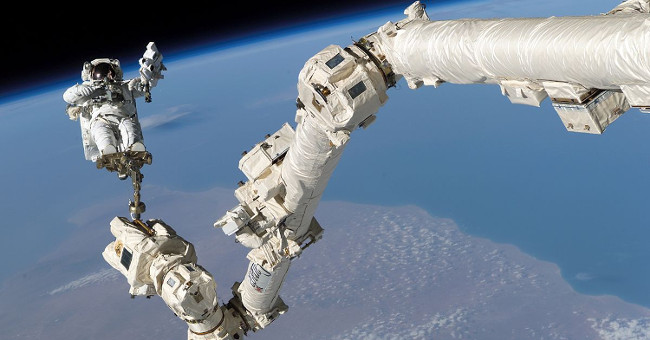
Free flying robots are called Astrobees. They can move around ISS, film astronauts' activities, power new scientific experiments and help NASA locate lost devices.