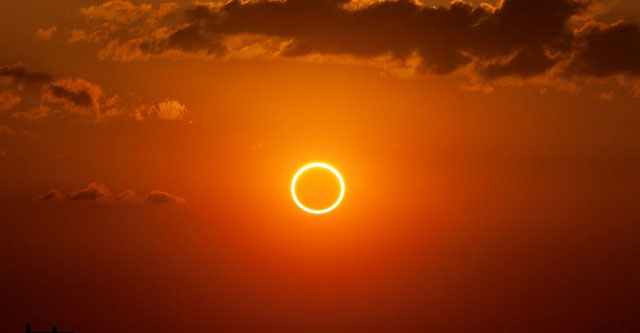
Space science
Can Vietnam observe the annular solar eclipse in October?
Millions of people in the Americas will be able to witness an interesting astronomical phenomenon on October 14, which is an annular solar eclipse (when the Moon is seen…
Browse ScienceInfo articles and explainers related to Astronomical Phenomenon.
44 published items.
Millions of people in the Americas will be able to witness an interesting astronomical phenomenon on October 14, which is an annular solar eclipse (when the Moon is seen…
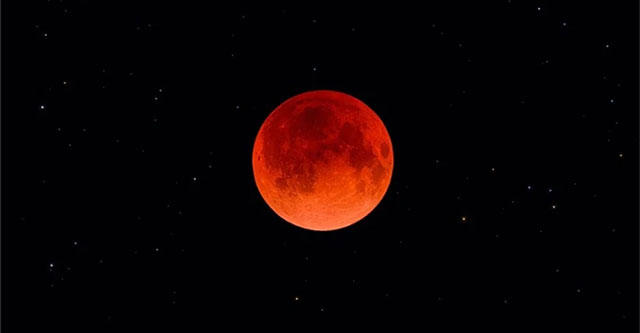
In 2025, stargazers can look forward to a host of exciting celestial wonders.
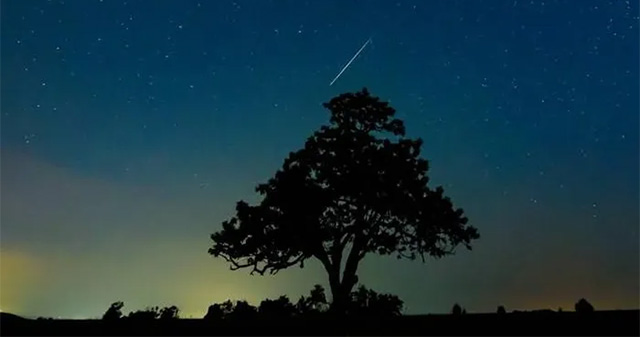
November will have many interesting astronomical phenomena worth admiring, including a new moon, a supermoon, two brilliant meteor showers, and a direct Uranus conjuncti…
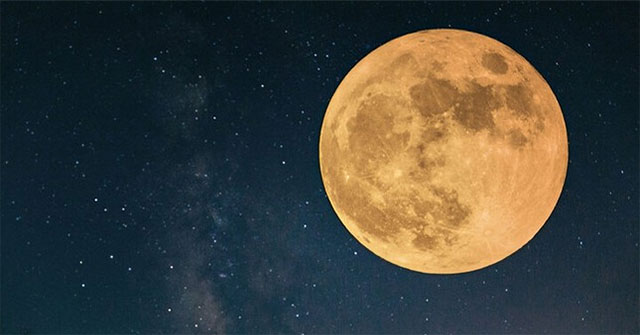
Astronomy enthusiasts will be able to admire the third supermoon of the year on October 17.
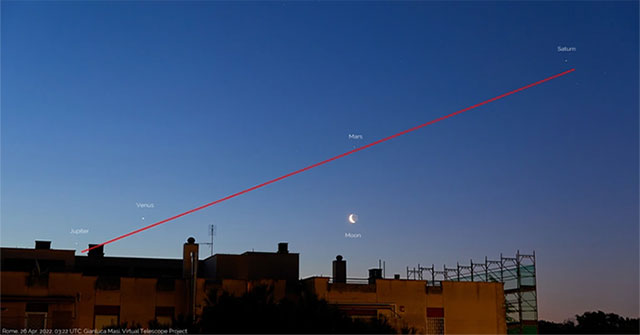
Italian astrophysicist Gianluca Masi captured a unique moment of the 'parade' of the planets.
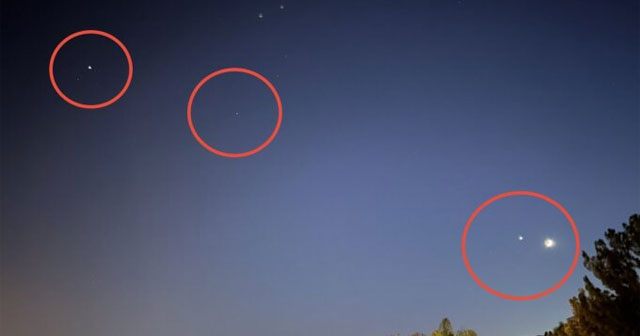
Astronomy lovers around the world share photos of the rare moment when the Moon is aligned with Venus, Saturn, Jupiter in the night sky.
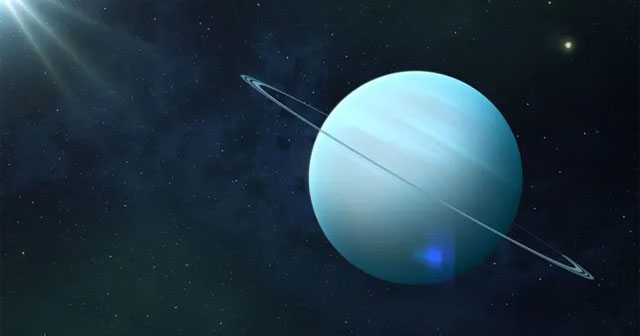
Entering November, people will have the opportunity to admire the beautiful scenes of the sky when 6 interesting astronomical phenomena occur.
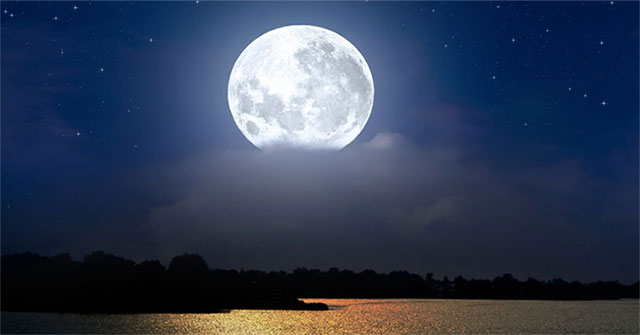
In 2020 astronomy lovers have the opportunity to see 13 full moons appear in the sky, more than the usual number each year.
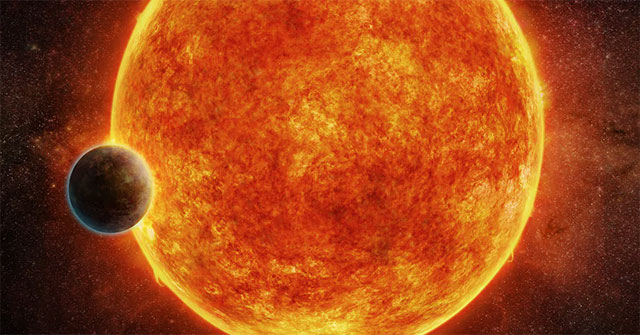
The planet Mercury will move right in front of the Sun on November 11, a rare phenomenon expected by astronomers.
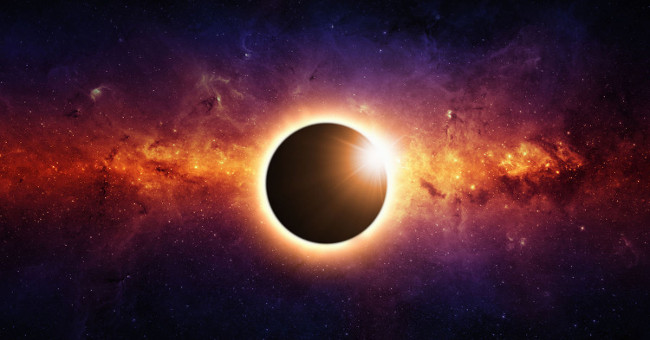
What do you know, on August 21, here, we will have the opportunity to admire the extremely interesting astronomical phenomenon - the total solar eclipse.
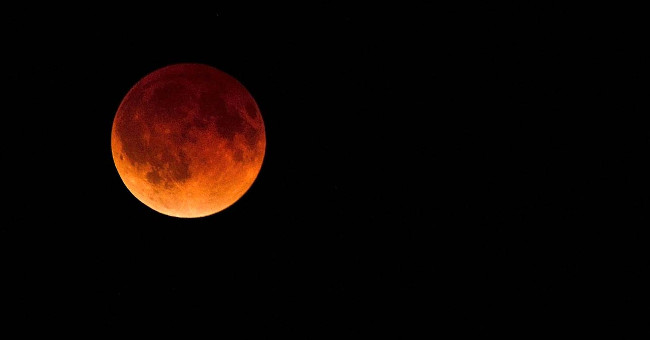
Accordingly, the region that fully observes the partial eclipse in August is the majority of Asia (including Vietnam), the east coast of Africa and most of Oceania.

The reason for that extinction astronomical phenomenon will surely surprise you.
Astronomers will have the opportunity to see the annular eclipse, also known as the fire circle this weekend in some areas in the southern hemisphere.
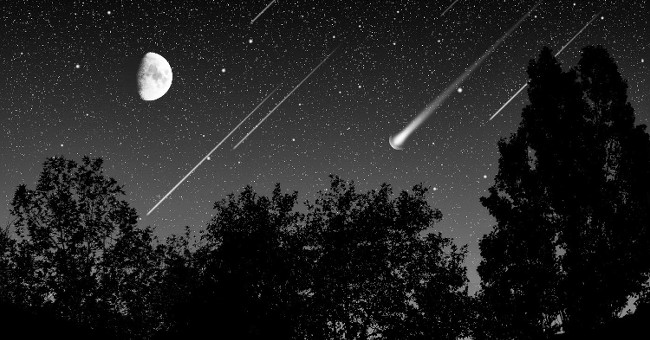
Tonight, tomorrow morning (January 4), the meteor shower with the frequency of up to 50 - 100 streaks / hour will
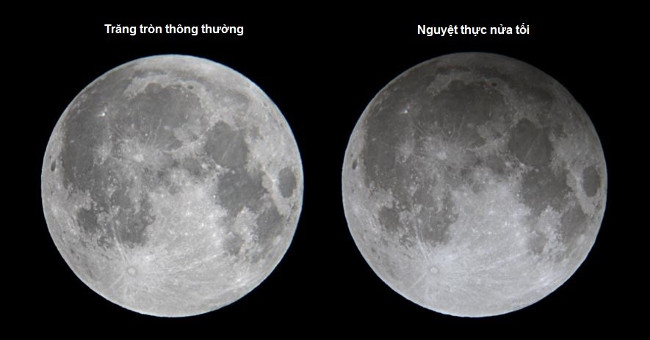
In 2017, the world will have the opportunity to observe the total solar eclipse, annular eclipse, half-moon eclipse, partial eclipse and 4 large meteor showers.