Space science
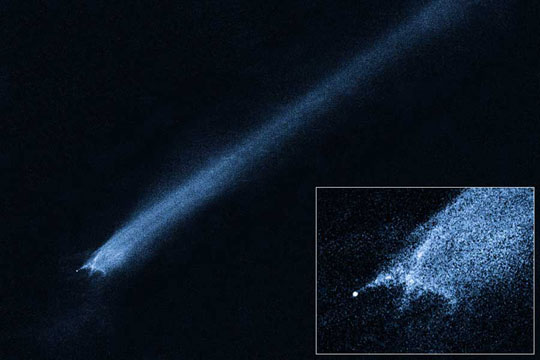
Celestial Body P / 2010 A2 is just a fake star
Through comet probe Rosetta, scientists have verified that the new celestial body called P / 2010 A2 is a broom star.
Browse ScienceInfo articles and explainers related to Astronomy.
397 published items.
Through comet probe Rosetta, scientists have verified that the new celestial body called P / 2010 A2 is a broom star.
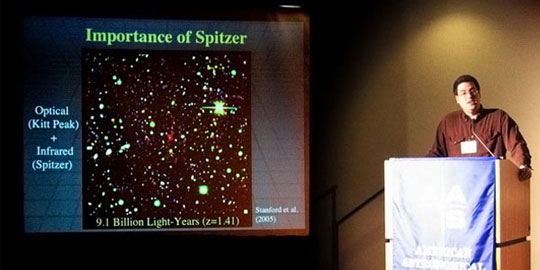
American astronomers have found the largest constellation ever. This galaxy contains hundreds of galaxies ...
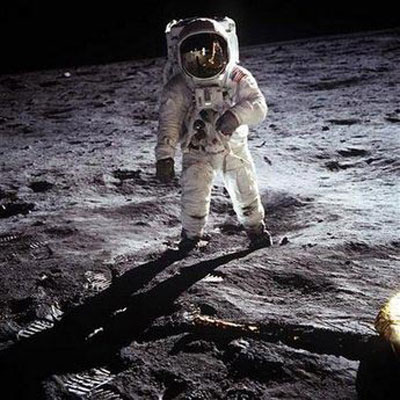
The footage recorded the first steps of astronaut Neil Armstrong as he stepped down the stairs of the Apollo 11 to be screened in Sydney, Australia next week.
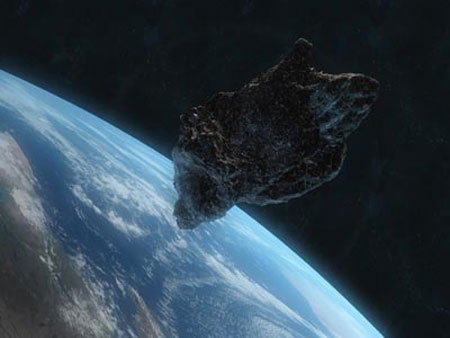
In the middle of the next month a meteorite will fly 6.4 million km away from the globe, a distance close enough for it to be grouped
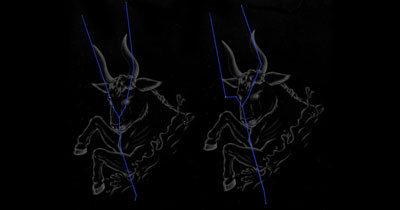
The sky in fact never stood still. Stars always move from one position to another according to the movement of the universe, galaxies and constellations.
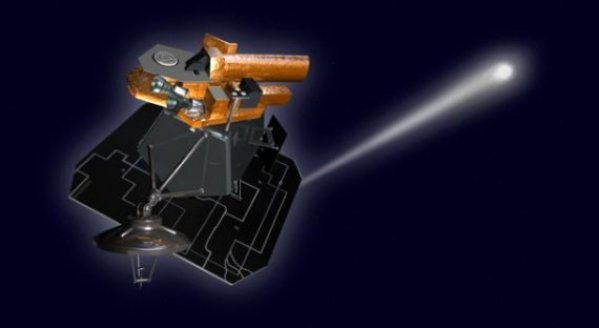
According to astronomers, comet Hartley 2 and Earth will have a close encounter this month.
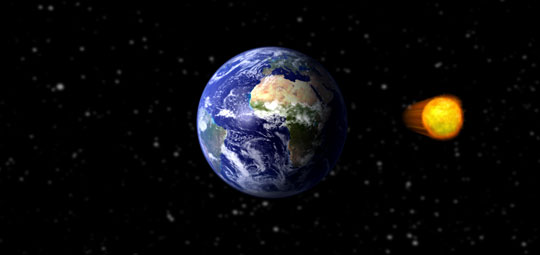
Although the increase in global temperature has a profound and profound impact on the lives of all species on the planet, but ...
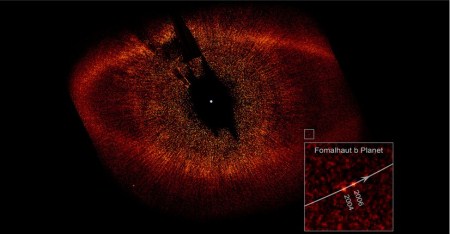
The last decade witnessed a leap in the way of conquering human space with important discoveries such as finding water on the Moon, detecting dark matter ...

Astronomers have discovered a special planet among known planets so far. It is named WASP-12b and the character of this object is the fastest, hottest and closest to a f…
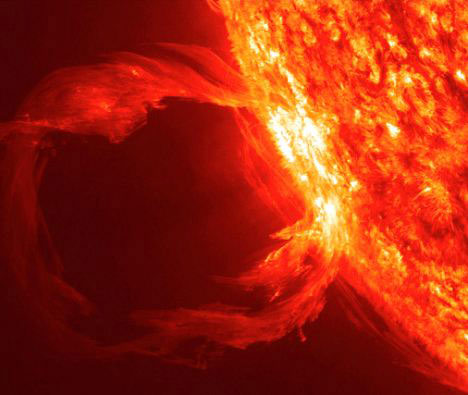
The US Aeronautics and Aeronautics Agency (NASA) has plans to launch a solar detector the size of a solar-powered car in 2018.
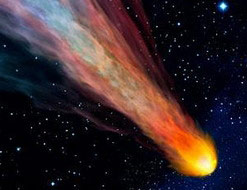
Astronomers of the US Aeronautics and Space Administration (NASA) said on September 9 that they had discovered two meteorites flying toward Earth between the orbit of th…
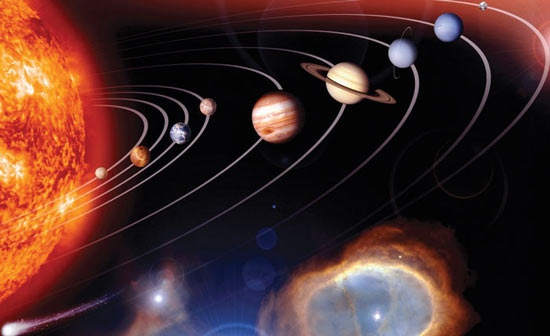
Jupiter will be closer to Earth than any encounter that takes place within 60 years (from 1963 to 2022).
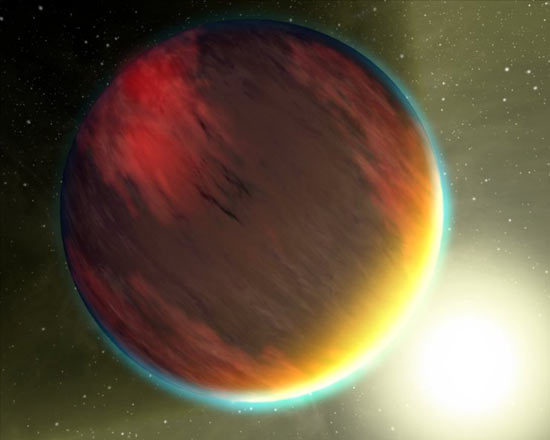
Do not miss the opportunity to watch the brightest Jupiter in nearly 50 years in the evening before Mid-Autumn Festival one day (14/8 lunar calendar).
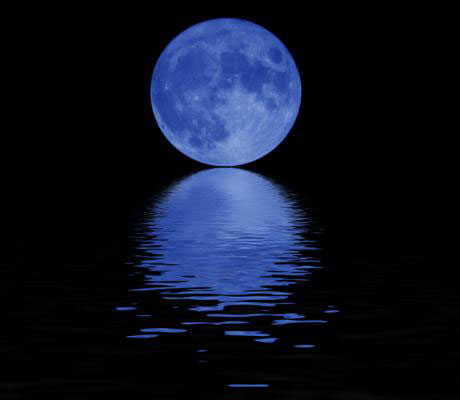
The moon that appears on the Mid-Autumn Festival this year will be the smallest in the last 18 years.
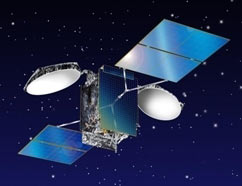
Vietnam Space Committee is an advisory organization to help the Prime Minister to study, direct and coordinate to solve interdisciplinary issues in the implementation of…