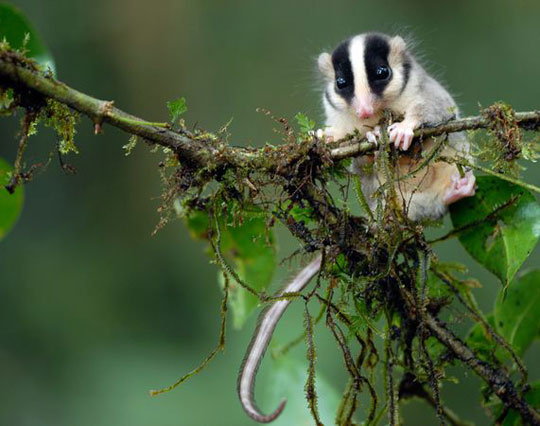
Animal world
Discover 200 new creatures
Scientists from the International Conservation Organization (CI) cooperate with Papua New Guinea's Biological Research Institute ...
Browse ScienceInfo articles and explainers related to Biological.
701 published items.
Scientists from the International Conservation Organization (CI) cooperate with Papua New Guinea's Biological Research Institute ...
According to Reuters, biological researchers in Kenya have discovered a strange mammal of small size like mice but have a long nose like an elephant's in a remote forest…

Scientists from the University of Manchester, UK have discovered mechanisms to help animals in the Arctic adapt to the day-night movements in the extreme.
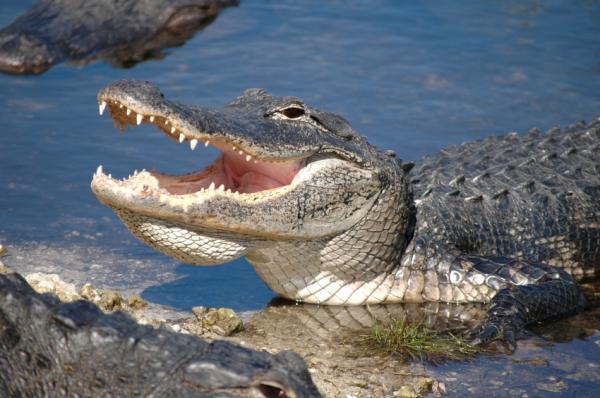
The crocodile species has the same faithful characteristics as its mate, which is the information concluded in a recent study in Molecular Ecology.
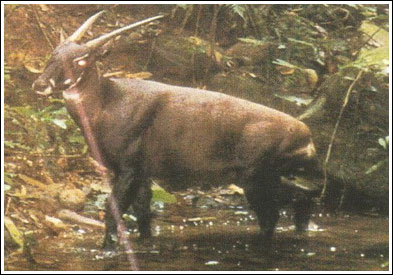
Last August, Vietnamese and international biological conservationists attended an emergency meeting held in Vientiane (Laos) to find ways to resolve the threat of extinc…
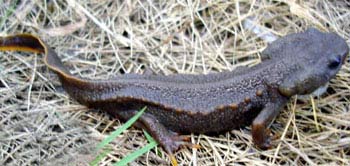
Mr. Nguyen Van Sang, Institute of Ecology and Biological Resources, has discovered a new species of toadfish tylotriton (also known as lumpy toad) in the lowland mountai…
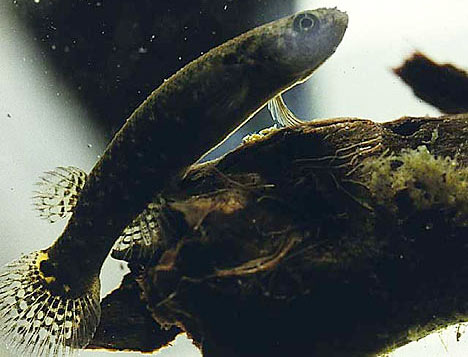
Because of 'living' life, larvae-hunting fish can temporarily change their biological structure to adapt to life on the branches. Instead of soaking in water, this parti…
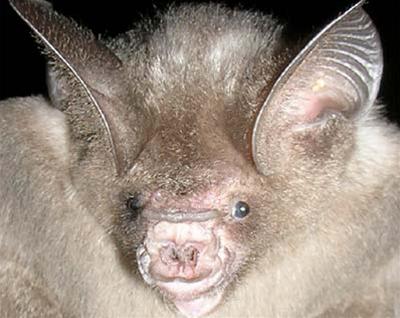
MSc Vu Dinh Thong, a researcher on bat species of the Institute of Ecology and Biological Resources (Vietnam Academy of Science and Technology) said he has discovered a…
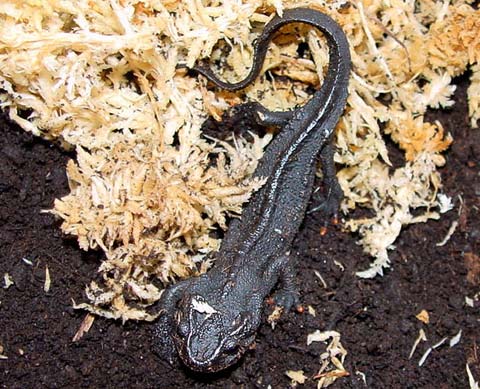
Biological experts have found lumpy toad fish in Xuan Son National Park, Thanh Son district (Phu Tho). According to biologists, the tail frog has collected in Xuan Natio…
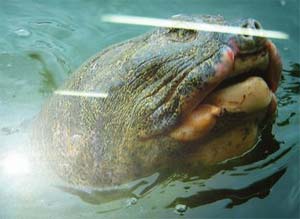
There are many interesting things about biology communication between animals that no one has deciphered. Butterflies have a way of recognizing each other even hundreds…

Bees have the ability to sniff, when trained, they easily detect explosives away from kilometers. But miserable, bees are quite playful, on the road
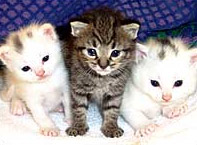
The first cats in the world to be bred specifically for allergies have launched the US market. Biological company Allerca releases this type of cat by eliminating a prot…
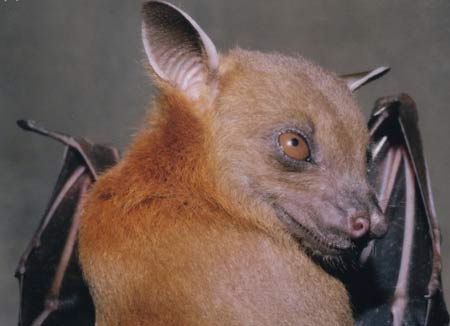
Master Vu Dinh Thong - a bat expert from the Institute of Ecology and Biological Resources (Vietnam Academy of Science and Technology) - said that there is a little know…
In the far north, at the Arctic Circle, the sun shines during the six months of summer and dives throughout the six months of winter, creating days of 24 hours full of s…
Cling and oval, combined with a small amount of non-toxic chemicals to create a safe, cheap and environmentally friendly product for flies, mosquitoes and insects.