Discover science
Findings of dinosaurs change the world
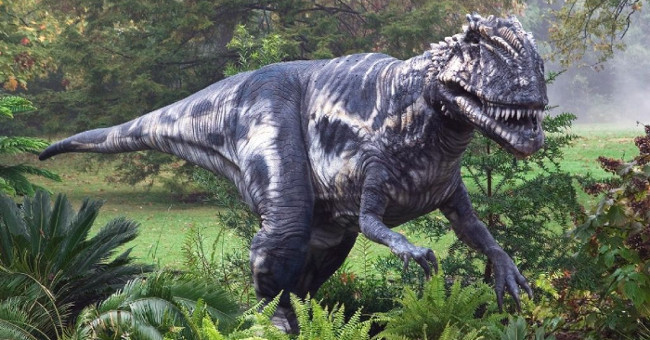
Many dinosaur fossil skeletons contribute to changing the perception of animal scientists who once ruled the world.
Browse ScienceInfo articles and explainers related to Bone.
1,063 published items.
Many dinosaur fossil skeletons contribute to changing the perception of animal scientists who once ruled the world.

According to the researchers, if you say affectionate, cooing, you should visit the lover's left ear, the effect will be higher. If you want to say something to let him…
The human body is an amazingly smooth machine, with rhythmic and precise movements, creating everything from memories to mucus. There are many complicated mysteries that…
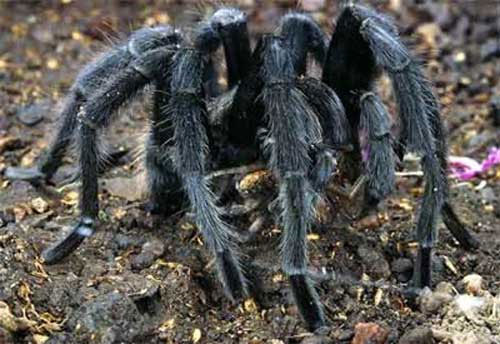
Spiders have outer bones, like shrimp or crab. They often have broken bones because they are very fragile. Falling from a low altitude can also cause them to die from fr…

This is really an unanswered question. NASA with leading scientists is trying to extend this time step by step, but things seem to be becoming more and more difficult.
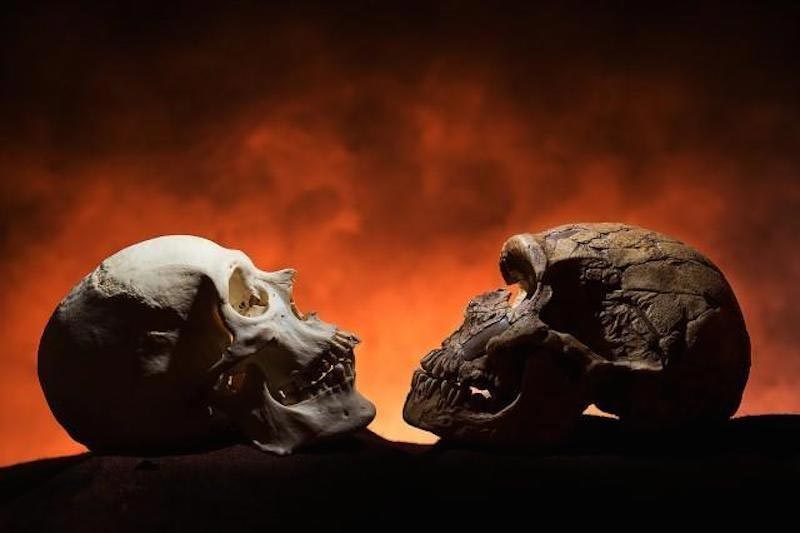
One characteristic that makes us different from other primates is the development of the chin bone. In other words, having a chin is a unique feature of modern people.
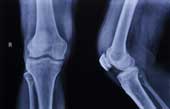
The adult skeleton consists of 206 units, connected to a network, performing many functions such as shaping the body frame, supporting movement and producing new blood c…
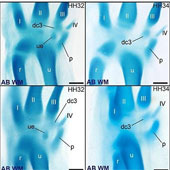
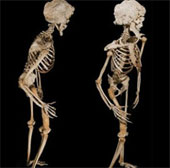
In 1890, Belgian paleontologist Louis Dollo stated that evolution could not go backward. This statement is endorsed by the scientific community. However, a new study has…

The dog feet are specially constructed, helping them dig and move easily on different types of terrain.
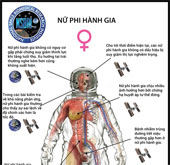
How do the effects of space travel differ from men to astronauts and female astronauts?

If you break the tip of your finger, if the joint is close to it still intact, your fingers will regrow. The surface area of the lungs is as big as a tennis court.
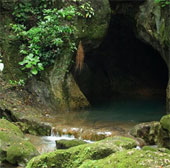
In the cave filled with bones of adults and young children are believed to be victims of Mayan divine sacrifices.
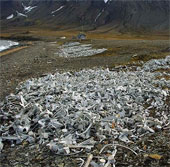
Spitsbergen Island is the largest island and is also the only place in Norway's Svalbard archipelago.
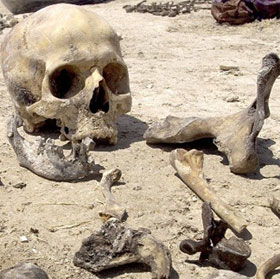
Researchers from the University of Bonn point out, the ancient Mayans executed their enemies by cutting their heads, cutting their hands and feet and burying them all.