
New technology
'Human brain' for the computer
Swiss researchers have invented a chip that mimics the human brain's processing of information, thus deciphering some of the mysteries of how computers work best in…
Browse ScienceInfo articles and explainers related to Brain.
2,956 published items.
Swiss researchers have invented a chip that mimics the human brain's processing of information, thus deciphering some of the mysteries of how computers work best in…
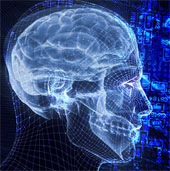
Swiss scientists have first created a chip that simulates how the human brain processes information.
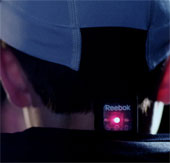
To limit brain injury, especially for athletic athletes, the Reebok sportswear company and MC10 Electronic Co. have developed a CheckLight sensor cone that can alert use…
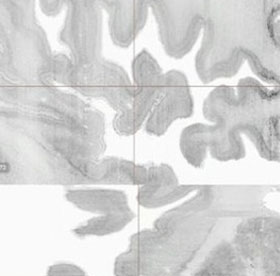
Scientists have created a digital model of the human brain with high resolution, known as the 'Big Brain'.
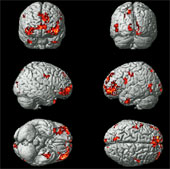
With the use of functional magnetic resonance imaging (fMRI) devices, for the first time, science can re-map the human emotional states based on neural activity.
It is a scenario that can be realized according to scientific analysis. A fascinating topic in science fiction novels, the combination of computer technology and human b…

Used in criminal investigations, lie detectors work on the principle that a part of the human brain will react unconsciously when being mentioned in a mean.
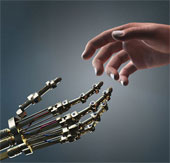
Modern people continue to grow more and more with different types of robots in everyday life, but few know the effects of these machines on our emotional state.
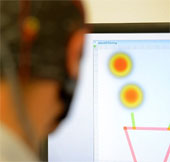
Now, to help people control the computer by thought, scientists attach electrodes to a hat and then put the hat on the user's computer.
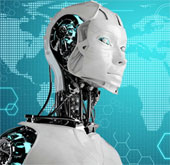
A scientist at Louis Ville University in the United States warns that humanity's future can be threatened if the robot is able to enjoy pleasure or emotion when rece…
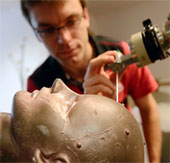
William Gibson in Johnny Mnemonic mentions the introduction of microchips containing sensitive information into the human brain. Today, a group of American scientists cl…

In the next 30 years, British and American soldiers will be able to carry more than 90kg of mass, running dozens of kilometers at a constant speed, see through the dark…
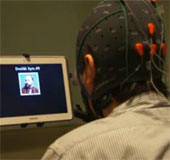
Samsung has been researching the possibility of using thought in the human brain to perform controller behavior on tablets and smartphones.
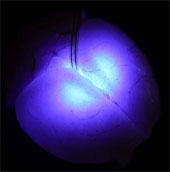
This technology helps scientists learn how the brain works, thereby finding new treatments for brain disorders.

According to scientists at the ATR Neuroscience Laboratory in Japan, the 'dream catcher' achieves up to 60 percent accuracy, an impressive 'result.'