Biology
Gene the extinct tiger
70 years after the tiger tiger had a Tasmanian extinction, its DNA was made by Australian scientists
Browse ScienceInfo articles and explainers related to Cartilage.
44 published items.
70 years after the tiger tiger had a Tasmanian extinction, its DNA was made by Australian scientists
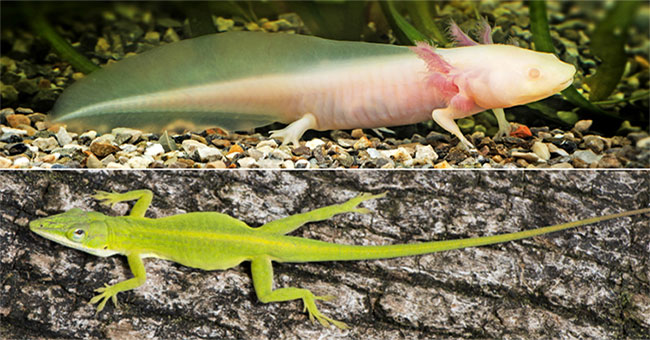
While salamander tails regrow almost like the original tail, both bone and everything, the cartilage's tail is full of cartilage and lacks nerve cells.
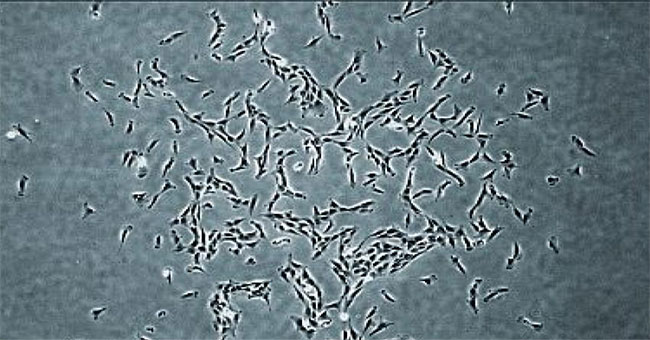
Researchers have found stem cells in human bones that have self-renewal capabilities, opening up prospects for bone and cartilage regeneration.
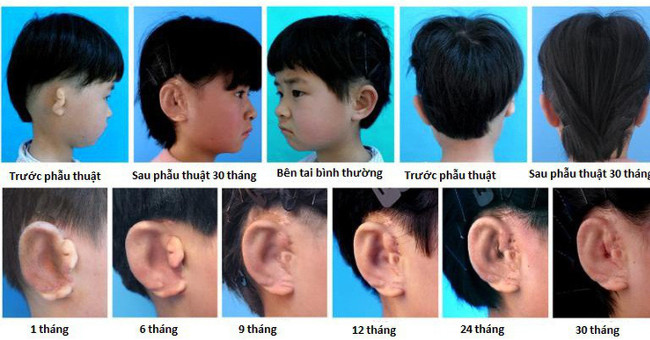
The researchers said they collected the cartilage of five children with small ears to feed the new cartilage cell and shaped a new ear for each patient.
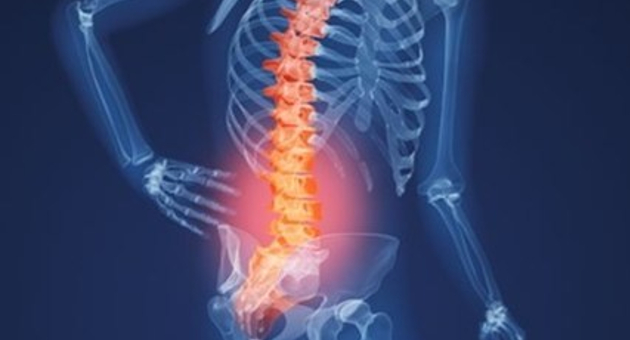
Currently, many people are suffering from degenerative spinal degenerative diseases from young to old, office workers to heavy porters ... To help treat quickly and effe…
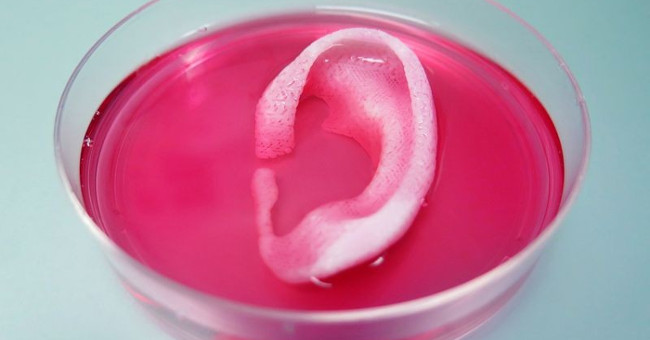
Experts have recently succeeded in printing an ear
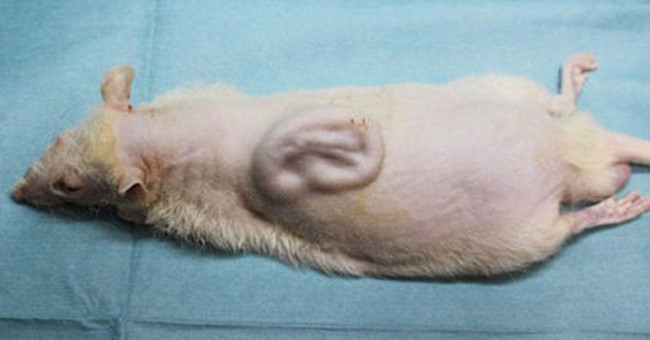
For the first time in history, Japanese scientists have been able to use stem cell methods to successfully develop human ears on the back of a mouse.
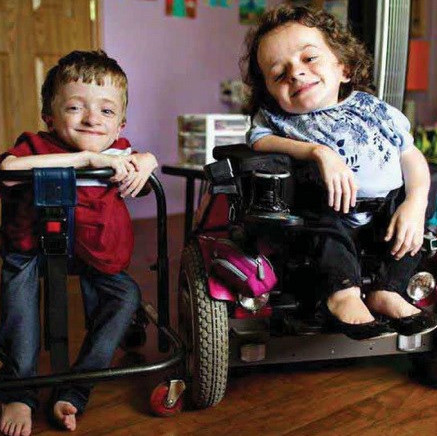
Stem cells are germ cells or basal cells that help create all the other cells in the human body, ensuring the full functioning of organs in the body such as the brain, h…
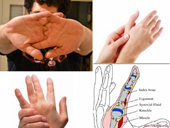
Until now, the link between the burning of fingers, legs and arthritis is still a subject of debate, but it cannot deny some of its effects on the body.
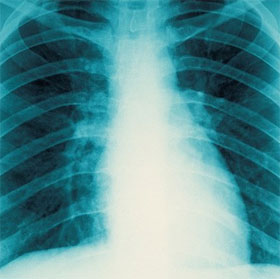
Experts say that the ribs can regenerate themselves in the hope of regenerating whole bones in the human body.
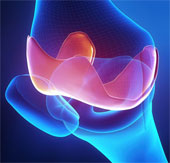
Seasonal change is the time when joint pain is more frequent and intense, constantly destroying the health of patients.
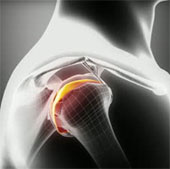
For the first time, scientists have successfully cultured human cartilage in the laboratory thanks to stem cells taken from adipose tissue.

Doctors at Great Ormond Street Hospital in London are aiming to reconstruct the faces of patients who need treatment with their own stem cells derived from fat.
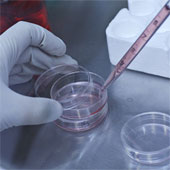
The research team at Kyoto University (Japan) has succeeded in creating cells with cartilage cell properties from human skin cells.
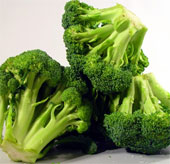
British researchers found sulforaphane in broccoli is capable of slowing the destruction of cartilage in joints.