New technology
The phone looks through all the materials
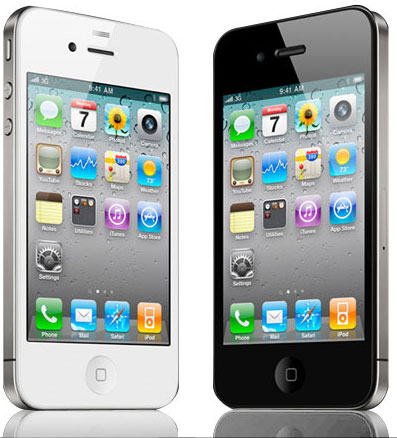
Researchers at the UT Dallas Institute of Technology have recently turned their handsets into devices that allow users to see through materials such as walls, wood, plas…
Browse ScienceInfo articles and explainers related to Chip.
663 published items.
Researchers at the UT Dallas Institute of Technology have recently turned their handsets into devices that allow users to see through materials such as walls, wood, plas…

Infrared sensors help us to detect people in the dark because of their heat radiation. But if there is a kind of jacket that heats up, then humans can be completely invi…

US researchers have successfully tested a chip inserted under the skin to provide women with osteoporosis.

CHIP House - 'Super-compact house model' - with the original purpose of creating a network of homes that do not need to use energy (such as houses without energy from th…

By using high-tech techniques to monitor poachers, Zimbabwean authorities have reduced the number of killed rhinos from 30 in 2010 to 23 in 2011.
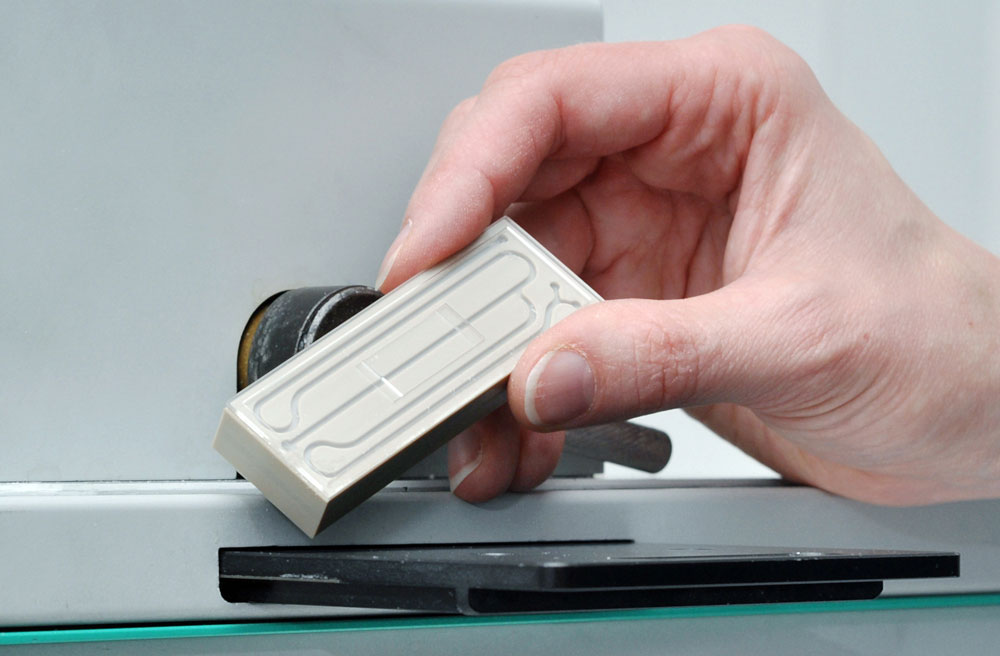
In the near future, the doctor can analyze the blood and get results immediately after 20 minutes with biochips.

Using a laser, the fake wine detector can recognize every element: from alcohol to brand of whiskey.
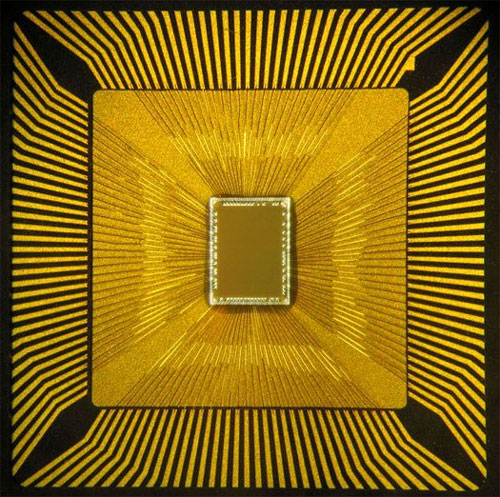
How to subtly recreate human fragile brains by synthesizing solid metals and silicon?

Recently, German scientists have successfully developed an IC sensor capable of tracking the growth of tumors.
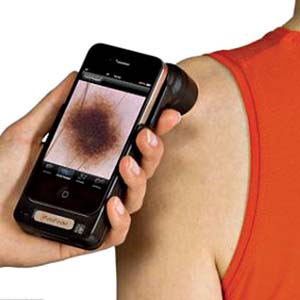
Experts say the microprocessor chip can be attached to a smartphone and detect the tumor within an hour.
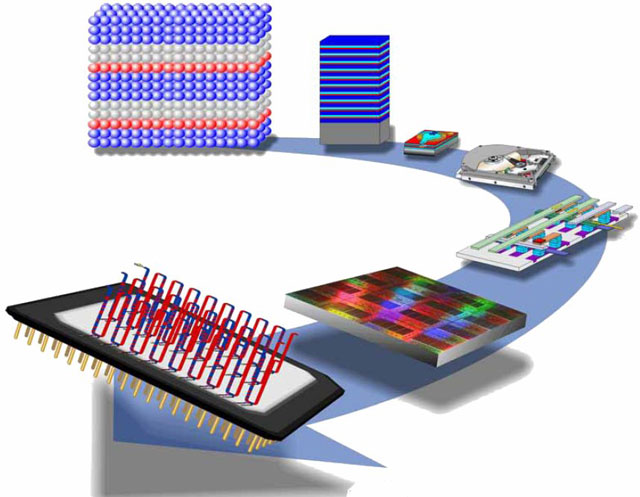
Now, IBM researchers are moving closer to commercializing the testing technology that could save a cellphone for all the movies made this year.

Sensory and nerve stimulation implanted under the skin, including a smart chip attached to a compatible object smaller than the match.
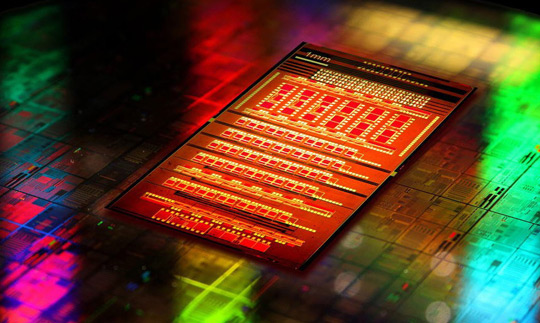
International team led by scientists from Bristol University, UK, has successfully researched faster particle accelerator chips, a larger amount of information storage t…

British scientists have developed a chip that can help people with paralysis of their legs to move their stiff leg muscles.

Dr. Mark Gasson, a British scientist who works at the University of Reading, said he became the first person in the world to suffer