Space science
All around the Earth is rubbish
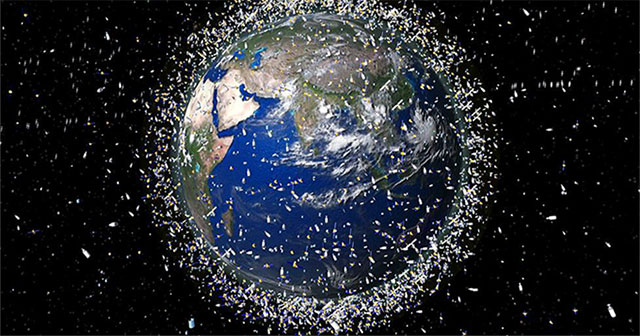
Since 1957, the low orbit around the Earth has become an environment full of 'garbage' after more than 2,200 satellite launches.
Browse ScienceInfo articles and explainers related to Cosmic Garbage.
49 published items.
Since 1957, the low orbit around the Earth has become an environment full of 'garbage' after more than 2,200 satellite launches.
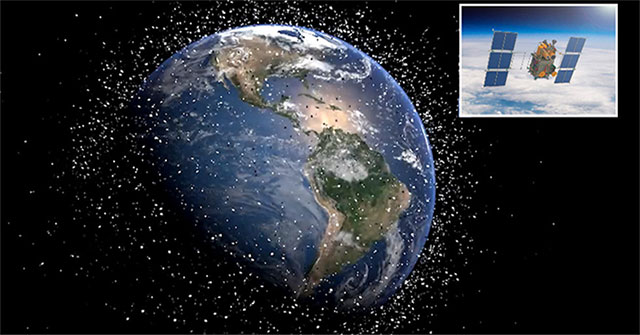
The Russian Federal Space Agency (Roscosmos) invented a satellite capable of self-destructing at the end of life to provide a solution to the problem of space debris flo…
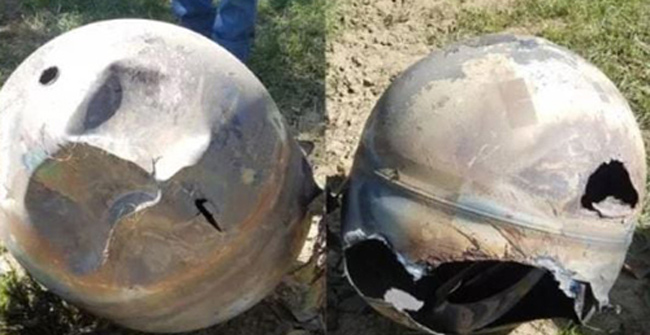
The metal object discovered in the walnut garden in California is the fuel tank of a satellite belonging to the Iridium company.
The infographic below summarizes the information about the formation as well as a detailed description of the extraterrestrial garbage space.

A mass of fire rushed over the sky of Texas, causing many to claim that they saw garbage falling from the universe.
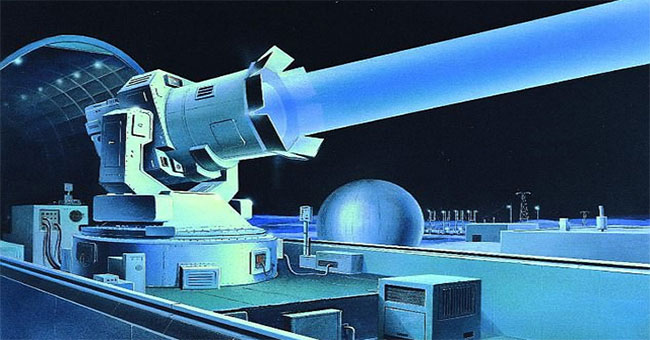
According to the Daily Mail, Russia is building a Death Ray fortress that can watch and destroy many targets in space.
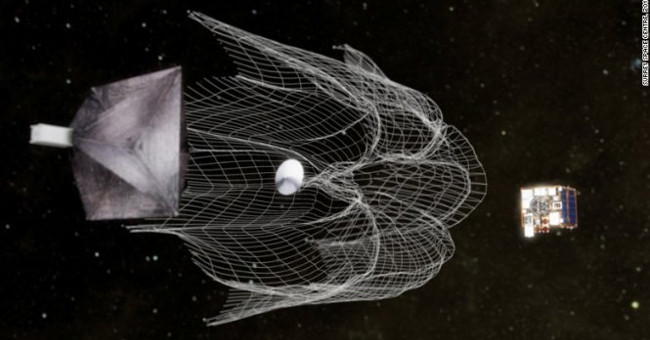
Cosmic garbage is the term for human objects that enter space and lie in the orbit of the Earth such as the old satellite, the lower level of a rocket, or fragments from…

After space exploration, humans left behind many scientific equipment and items that were no longer used on the lunar surface, Science Alert reported Monday.
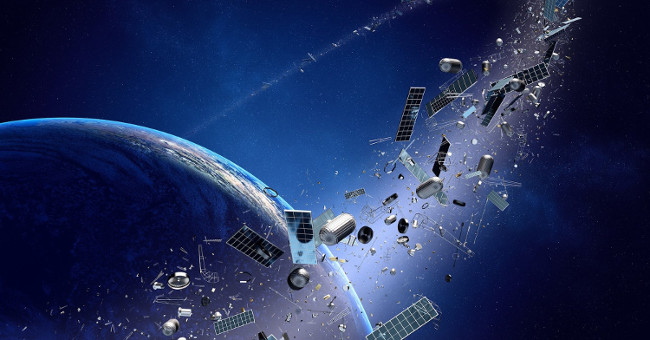
Scientists at the China Air Force Technical University propose using giant lasers to destroy old satellites and other space junk to clean up Earth's orbit, Newsweek repo…
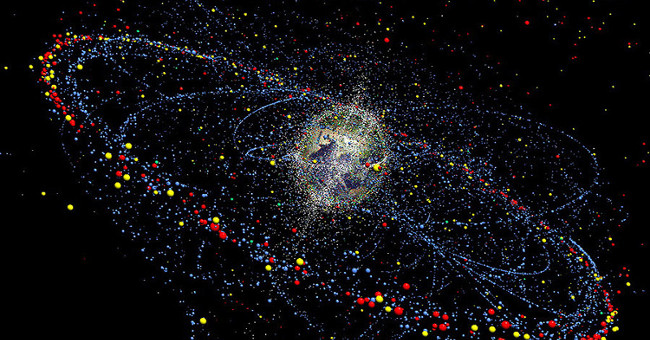
About more than 9,000 pieces of cosmic waste from satellite materials, insulating pieces on the hull, debris of the fuel cell .... are floating in the earth's orbit. Thi…
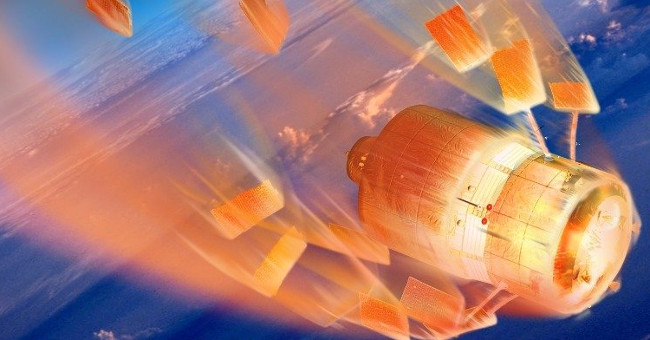
Every minute passed, thousands of satellites were launched into the sky, at altitudes ranging from a few hundred miles to tens of thousands of miles.
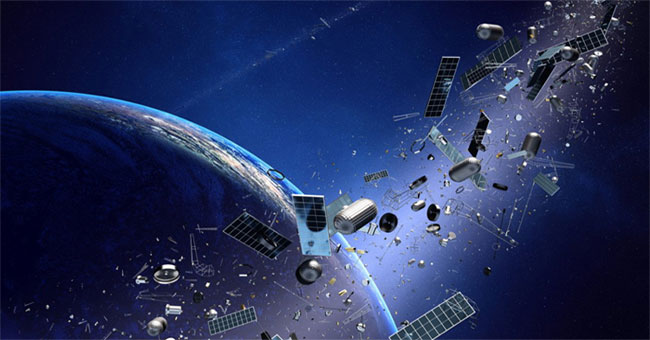
On October 4, 1957, Sputnik I became the first satellite of humanity to fly into space. But this satellite also marks another milestone in history, which is the emergenc…
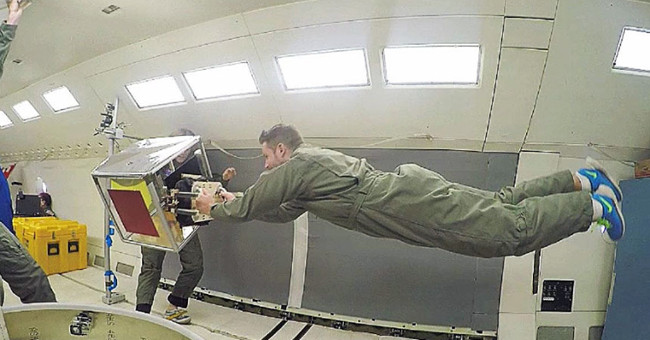
Researchers at NASA and Stanford University in California have developed a robot inspired by gecko pins.
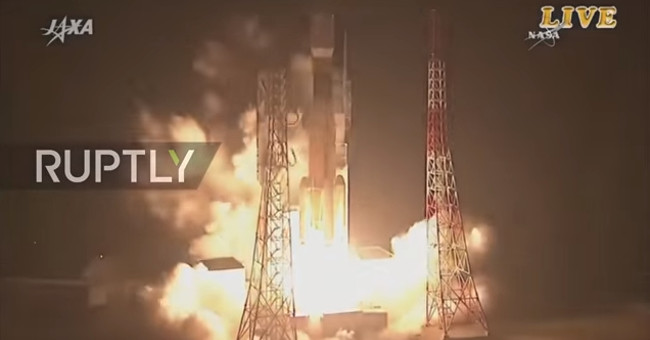
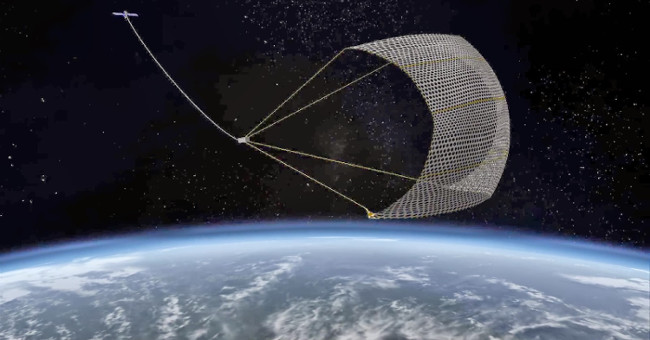
Japan successfully launched a cargo ship carrying a wire-shaped wire capable of changing the trajectory of debris in space.
NASA estimates that more than 500,000 fragments are floating at speeds of up to 28,162 km / h (17,500 mph) around the Earth.