Archeology
Discover new carnivorous dinosaur fossils in Canada
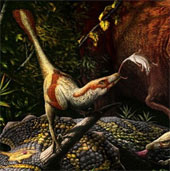
This species of dinosaur named Acheroraptor Temertyorum, has lived on Earth about 66 million years ago and is a close relative to the Velociraptor dinosaur.
Browse ScienceInfo articles and explainers related to Dinosaurs.
626 published items.
This species of dinosaur named Acheroraptor Temertyorum, has lived on Earth about 66 million years ago and is a close relative to the Velociraptor dinosaur.
Biologists from Oxford University claimed that though they had disappeared from the earth tens of millions of years ago, however, dinosaurs and mammoths could have been…
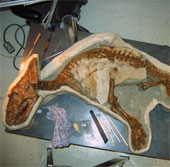
A 3-year-old baby dinosaur drowned and sunk into sediment about 74 million years ago, recently discovered by scientists at Canadian dinosaur park.
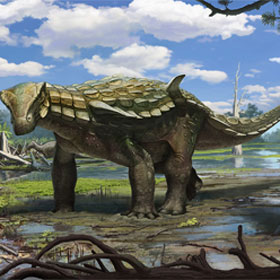
A recent discovery of fossil dinosaurs in Spain has led to a surprising discovery: It is not only the previously undiscovered species, but also a new generation of dinos…
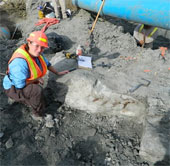
Canadian media reported on November 7 that the country's construction workers have discovered the fossil of a duckbill dinosaur in the city of Leduc, south of the capita…
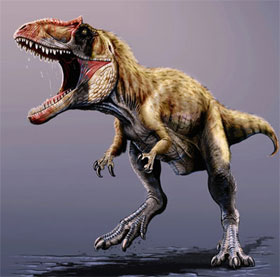
US scientists have discovered fossils of a new tyrant dinosaur weighing up to 4 tons.
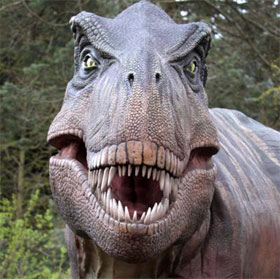
The new research shows that dinosaurs can grow and have huge sizes because they have more flexible, flexible joints than terrestrial mammals.
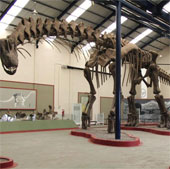
British scientists say they have used computers to reproduce ancient dinosaur steps for the first time by sweeping fossil bones nearly 40 meters long.
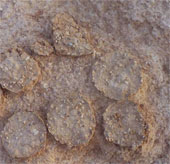
This is the first time scientists have discovered thousands of footprints and many egg nests of the Theropoda dinosaur in the east of the Gobi Desert in Mongolia.
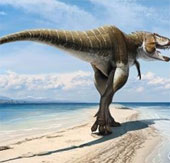
US scientists have just discovered a new tyrant dinosaur, appearing 80 million years ago and is considered one of the largest predators of all time.
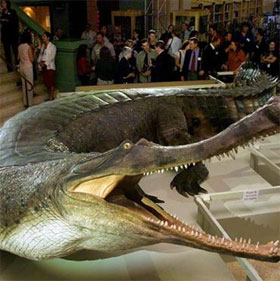
A new study has revealed for the first time how prehistoric alligators evolved in a world dominated by dinosaurs.
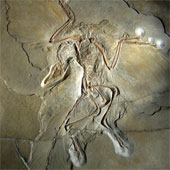
How did birds form wings? Fossil data show that the proportion of limbs changed in dinosaur-derived birds.
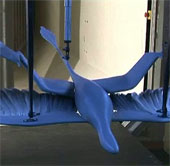
Scientists at the University of Southampton (UK) conducted a series of experiments on simulation models of ancient dinosaurs and discovered extremely interesting things…
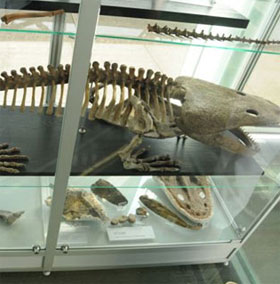
According to researchers, giant amphibian dinosaurs have once dug underground burrows to hibernate when water sources become scarce.