Space science
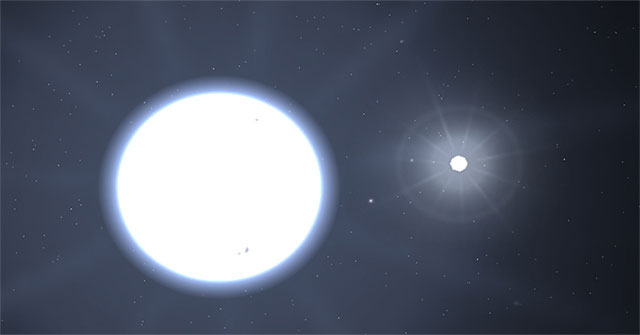
Learn about the star Sirius.
Sirius is the brightest star in the night sky with an apparent magnitude of -1.47, nearly twice as bright as Canopus, the second brightest star.
Browse ScienceInfo articles and explainers related to Dwarf.
396 published items.
Sirius is the brightest star in the night sky with an apparent magnitude of -1.47, nearly twice as bright as Canopus, the second brightest star.
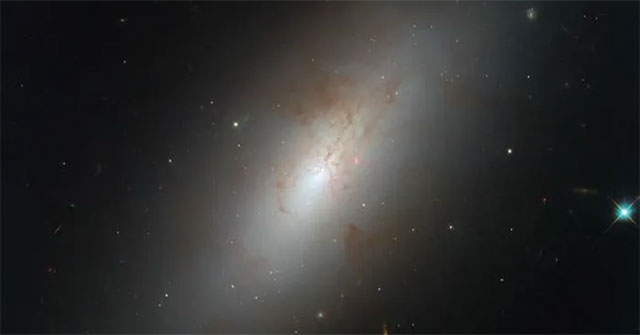
The Hubble telescope has captured an object that scientists cannot classify, located 54 million light years away.
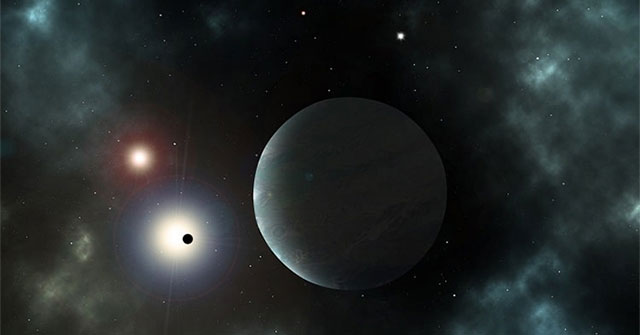
American scientists have identified special star systems where up to one-third of the planets could be filled with water and life, not just a single Earth like in the So…
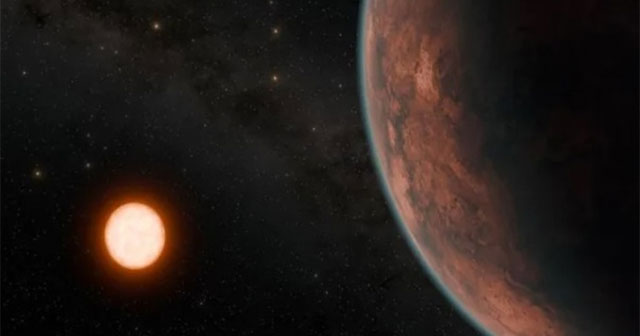
Scientists have discovered an exoplanet called Gliese 12 b in the constellation Pisces that has conditions suitable for life.
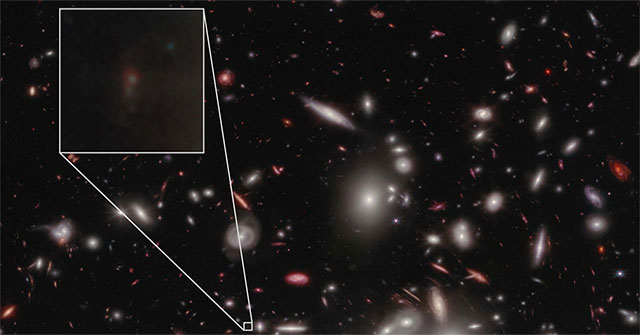

In this article, we will take a closer look at some of the animals that eat a lot as well as the factors that determine how much they eat to survive.
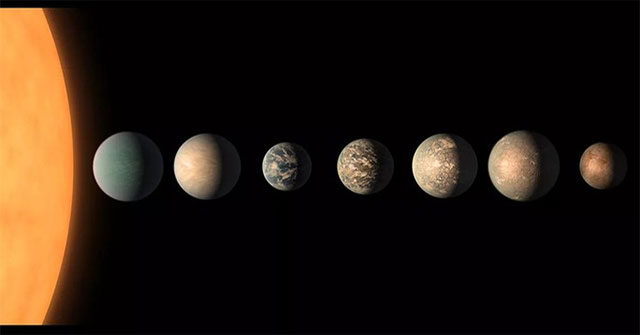
The seven planets in the TRAPPIST-1 system all share some Earth-like characteristics that could be favorable for supporting life.
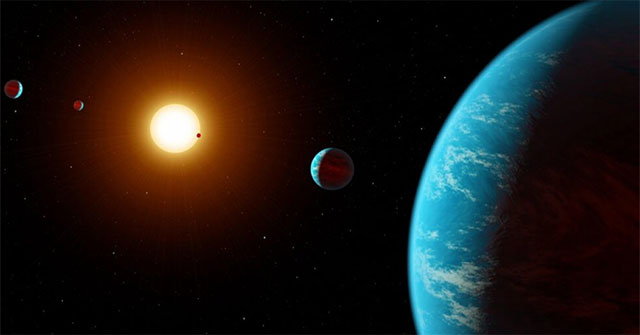
Around an orange dwarf star just 130 light years from Earth, scientists have discovered a type of planet that has never been seen before and is difficult to explain.
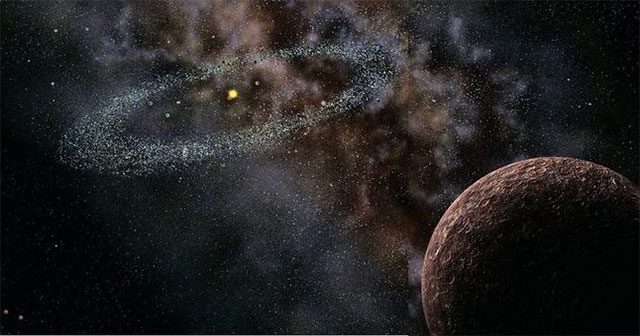
At this time, scientists who are theoretical experts in many different fields are trying to guess how the rings around the dwarf planet Quaoar exist.
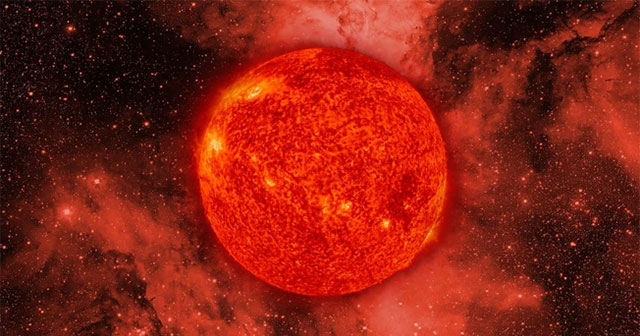
Nemesis is a hypothetical red dwarf star. The existence of this star has been proposed to explain a cyclical pattern in the rate of biological extinctions over geologic…
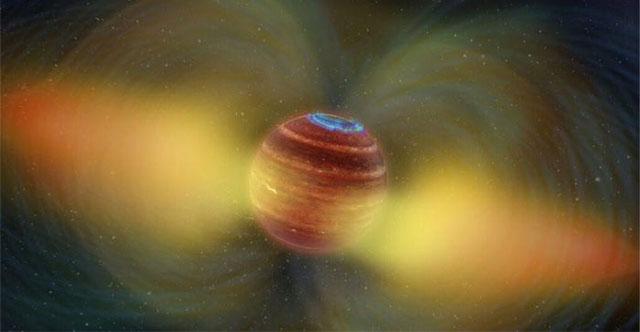
When we think about the habitability of exoplanets, the role of magnetic fields in maintaining a stable environment is something to consider alongside things like atmosp…

The dwarf lanternshark is the smallest shark in the world, growing to a maximum length of less than 30cm.

Researchers have found evidence of a hallucinogenic ritual that may have helped ancient Egyptians reenact a myth in which a dwarf deity tricks the sky goddess.
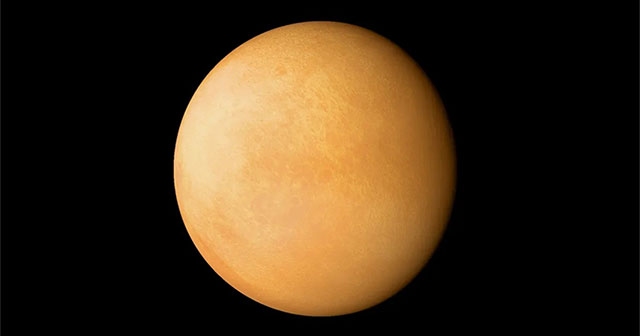
The James Webb Space Telescope has discovered the skies bubbling with toxic gas on a super-Earth just 35 light years away.